
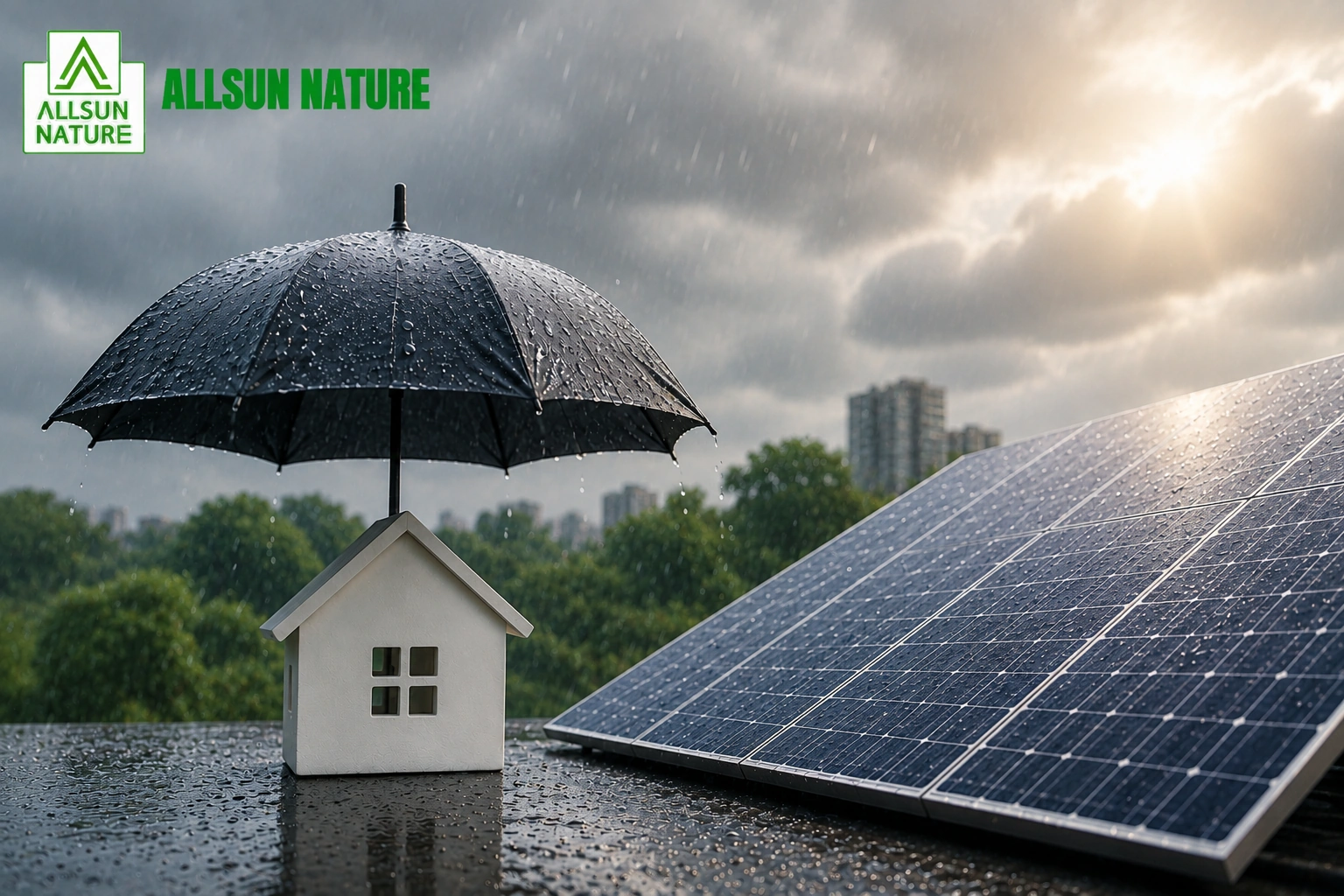
Dark skies. Heavy rain. Several days without strong sunlight.
For many homeowners in Kerala, the monsoon naturally raises a question: Will my solar panels still generate electricity when the weather turns cloudy and rainy?
The short answer is yes. Solar panels continue to generate electricity during cloudy and rainy weather, although their output can be lower than on bright, sunny days. The amount of electricity generated depends on factors such as available daylight, cloud cover, system design, panel orientation, and the intensity and duration of the rain.
If you are considering solar panel installation in Kerala, understanding how your system performs during the monsoon can help you make a more informed decision.
Does Solar Power Work During the Rainy Season?
Solar panels do not need direct, bright sunshine every moment to produce electricity. They generate power from available daylight, including diffused sunlight that passes through clouds.
During Kerala's monsoon season, thick clouds and frequent rainfall can reduce solar generation compared with clear days. However, the system does not simply stop working because it is raining.
A properly designed solar installation can continue generating electricity whenever sufficient daylight is available.
Choosing the right system capacity and installation design is important because solar generation naturally changes with weather and seasonal conditions.
Why Solar Generation Drops During Monsoon
Solar generation is directly influenced by the amount of sunlight reaching the panels.
During heavy monsoon conditions, several factors can reduce daily generation:
☁️ Heavy Cloud Cover
Dense clouds reduce the amount of sunlight reaching the solar panels. The system may continue producing electricity, but at a lower output.
🌧️ Shorter Periods of Usable Sunlight
Continuous rain and overcast conditions can reduce the number of hours during which the panels produce electricity at higher levels.
📉 Extended Rainy Periods
If cloudy weather continues for several days, total solar generation over that period can be lower than during sunnier months.
🌤️ Weather and Seasonal Variation
Solar generation naturally changes throughout the year. A solar system should therefore be evaluated based on longer-term energy requirements rather than expecting identical generation every day.
Does Rain Damage Solar Panels?
Solar panels are designed for outdoor use and are built to withstand normal weather conditions, including rain.
Rain itself is generally not a problem for properly installed solar panels. In fact, rainfall can help wash away accumulated dust and surface dirt.
Proper mounting, secure electrical connections, suitable waterproofing, cable management, and appropriate system components are important for long-term performance and safety.
This is why solar installation should not be treated simply as placing panels on a rooftop.
Can Rain Help Clean Solar Panels?
Yes, rainfall can help wash away loose dust and some surface dirt from solar panels. This can be a natural benefit during Kerala's monsoon season.
However, rain does not necessarily remove every type of buildup. Depending on the surroundings and location of the installation, different types of dirt and debris can collect on the panel surface.
Common Types of Buildup
- Dust and fine particles
- Bird droppings
- Leaves and small branches
- Mud and water marks
- Pollution residue
- Other surface deposits
If dirt remains on the panel surface, it can reduce the amount of sunlight reaching the solar cells and may affect system generation.
Regular inspection and appropriate maintenance can help keep your solar panels clear and your system operating effectively throughout the year.
What Happens to Solar Power During Several Rainy Days?
This is one of the biggest concerns for homeowners considering solar in Kerala.
If solar generation is lower for a few days, what happens to your electricity supply?
The answer depends on the type of solar system you have.
On-Grid Solar System
An on-grid solar system works alongside the conventional electricity grid.
When your solar system is generating electricity, that power can be used by your property. When solar generation is insufficient, the grid can supply the electricity required, subject to the system configuration and applicable regulations.
What About Battery Backup During Monsoon?
If backup power is important to you, a hybrid solar system can provide additional flexibility.
A hybrid system combines solar generation with battery storage and grid connectivity. During periods when solar production is lower, stored energy can be used according to the system configuration and available battery capacity.
This can be particularly useful for customers who want solar power while also keeping backup power available.
Explore Allsun Nature's Hybrid Solar System →
Is an Off-Grid Solar System Suitable for Rainy Areas?
Off-grid systems are designed for properties that want greater independence from the conventional electricity grid.
Because an off-grid system relies on solar generation and battery storage, system sizing becomes particularly important in locations that experience extended periods of cloudy or rainy weather.
The battery bank, solar capacity, expected energy consumption, and available sunlight all need to be considered when designing the system.
Explore our Off-Grid Solar System →
Should You Avoid Installing Solar Before Monsoon?
Not necessarily.
Waiting for the rainy season to end is not automatically required before installing solar.
A solar system is a long-term investment, and Kerala receives sunlight throughout the year. What matters more is whether the system is properly designed for your property's energy requirements and installed correctly.
If you are planning a solar panel installation in Kerala, the important questions are:
- How much electricity does your property consume?
- How much rooftop space is available?
- Is the roof suitable for installation?
- Are there shading issues?
- Which solar system is appropriate?
- Do you require battery backup?
- What system capacity do you need?
- How will the system perform across different seasons?
A professional assessment can help answer these questions before installation.
How to Prepare Your Solar System for Kerala's Monsoon
If you already have solar panels, a few basic checks before or during the monsoon can help maintain the system.
Solar Panels for Homes in Kerala: What Should You Consider?
For homeowners, the monsoon should be considered as part of the overall solar planning process rather than a reason to avoid solar.
A residential solar system should be designed around your household's electricity consumption, available roof area, shading conditions, and desired system type.
Whether you want to reduce your electricity purchases from the grid or explore a system with battery backup, the right configuration depends on your individual requirements.
Explore Solar Panels for Your Home →
What About Commercial Solar During Monsoon?
Businesses often have significant daytime electricity requirements, making rooftop solar an attractive option for many commercial properties.
However, commercial systems require careful planning because the available roof area, electricity demand, operating hours, and system capacity can vary considerably between businesses.
Allsun Nature provides Commercial Solar Installation for businesses and commercial properties looking to integrate solar into their energy strategy.
Industrial Solar Requires More Detailed Planning
For industrial facilities, solar system design needs to account for larger electricity requirements and site-specific operating conditions.
Factors such as available rooftop area, electricity consumption, operating schedules, system capacity, and future energy requirements can all influence the project.
For larger facilities, the monsoon is simply one of several seasonal factors that should be considered during system planning.
Explore Industrial Solar Panels →
Is Solar Still Worth It in Kerala's Rainy Climate?
Yes — but expectations should be realistic.
Solar generation will naturally vary with weather conditions. A rainy or heavily overcast day may produce less electricity than a clear day.
That does not mean solar is ineffective during the monsoon.
The better way to look at solar is as a long-term energy-generation system, where generation changes from day to day and season to season.
“Is the system properly designed to meet my property's energy requirements over the long term?”
That is where professional system planning becomes important.
Choose the Right Solar System for Your Property
There is no single solar solution that works identically for every home, business, or industrial facility.
Your requirements may call for:
- A residential rooftop solar system
- An on-grid system
- A hybrid solar system with battery storage
- An off-grid system
- A commercial solar installation
- An industrial solar solution
Allsun Nature helps customers evaluate their requirements and choose a suitable solar configuration.
If you are considering solar panel installation in Kerala, start with your electricity consumption and property requirements rather than simply choosing the largest or cheapest system available.
Good solar planning is about choosing a system that fits your property, energy requirements, and long-term goals.
Frequently Asked Questions
Recent Blogs

Best Solar System for a 2BHK, 3BHK or 4BHK Home in Calicut
Sep 17, 2026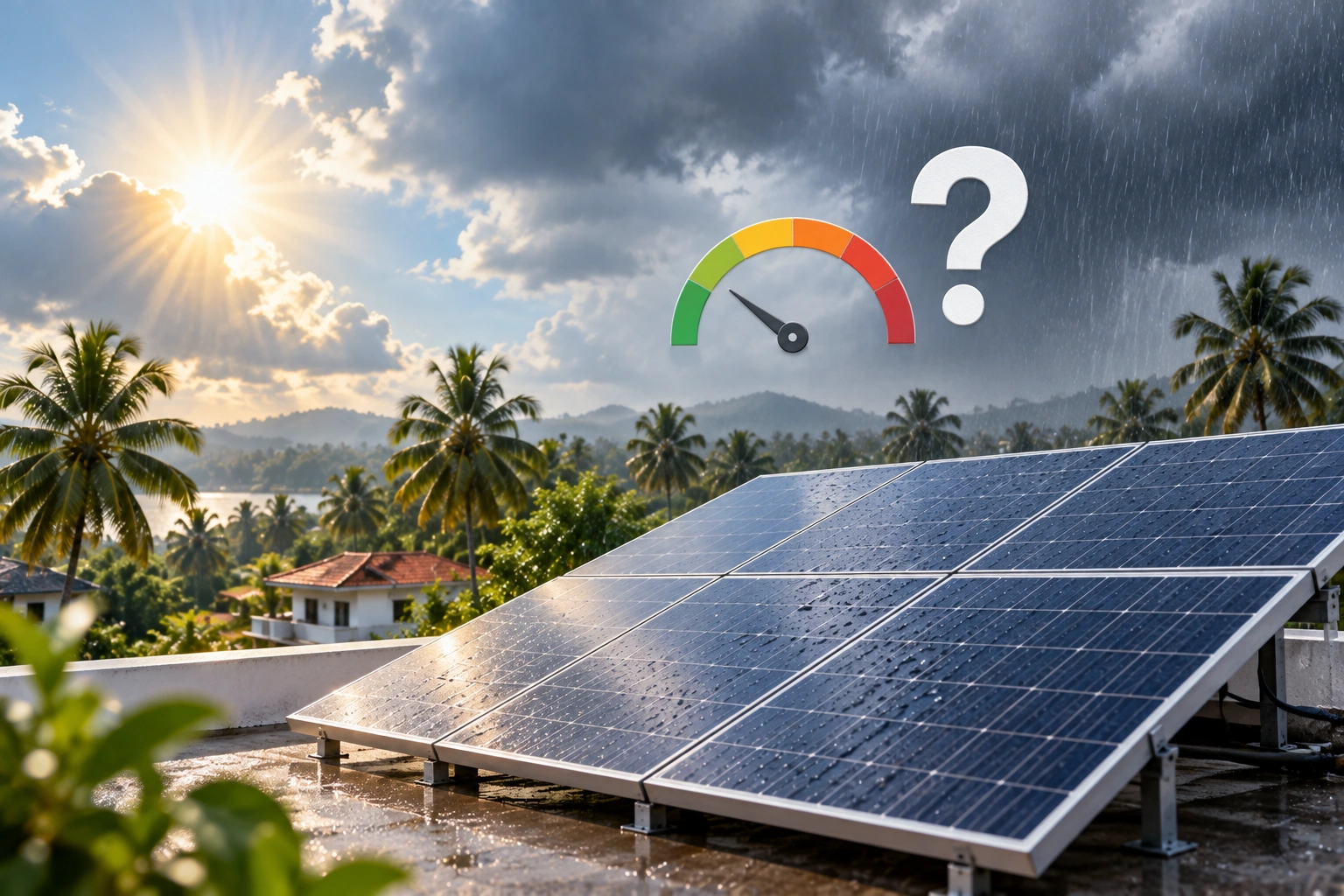
Why Is My Solar Panel Generating Less Power in Kerala?
Sep 16, 2026
Not All Solar Systems Are the Same: Find the Right One for Your Calicut Property
Sep 15, 2026
Kerala’s Power Crisis: Can Solar Help Homes Cope With Rising Power Cuts?
Sep 14, 2026
3kW vs 5kW Solar System for Kerala Homes: Cost, Power Generation & AC Usage
Sep 14, 2026
Solar Panel Installation in Kerala: Cost, Process, Subsidy & How to Choose the Right Company
Sep 11, 2026
How to Choose the Right Solar System Size for Your Home in Calicut
Sep 10, 2026
Solar Panel Maintenance in Kerala: A Homeowner's Guide for Coastal Cities
Sep 09, 2026
On-Grid Solar System in Kerala: How It Works, Cost, Benefits & KSEB Connection
Sep 08, 2026
Solar Installation in Calicut: From Panel Selection to KSEB Connection
Sep 08, 2026Switch to Solar Today!
Save up to 90% on electricity bills with Allsun Nature's customized rooftop solar solutions.
Get Free Quote