

Electricity is an essential part of everyday life, from lighting and cooling our homes to powering appliances and electronic devices. As electricity bills continue to concern many households, homeowners are exploring solar energy as a practical way to reduce energy expenses and make better use of renewable resources.
Installing a Solar Panel For Home is an investment that can provide long-term financial and environmental benefits. However, choosing the right system involves understanding your electricity consumption, roof suitability, available technologies, and installation requirements.
This guide explains the important things homeowners should know before investing in rooftop solar, helping you make an informed decision for your home in Kerala.
What Is Rooftop Solar?
Rooftop solar is a system that uses solar panels installed on the roof of a building to convert sunlight into electricity. These panels contain photovoltaic (PV) cells that generate direct current (DC) electricity when exposed to sunlight.
An inverter converts this DC electricity into alternating current (AC), which is used by most household appliances. Depending on the system configuration, the electricity generated can power your home, charge batteries, or be exported to the electricity grid.
A properly designed Solar Panel For Home can help households use clean energy while reducing their dependence on conventional electricity sources.
How Does a Home Solar System Work?
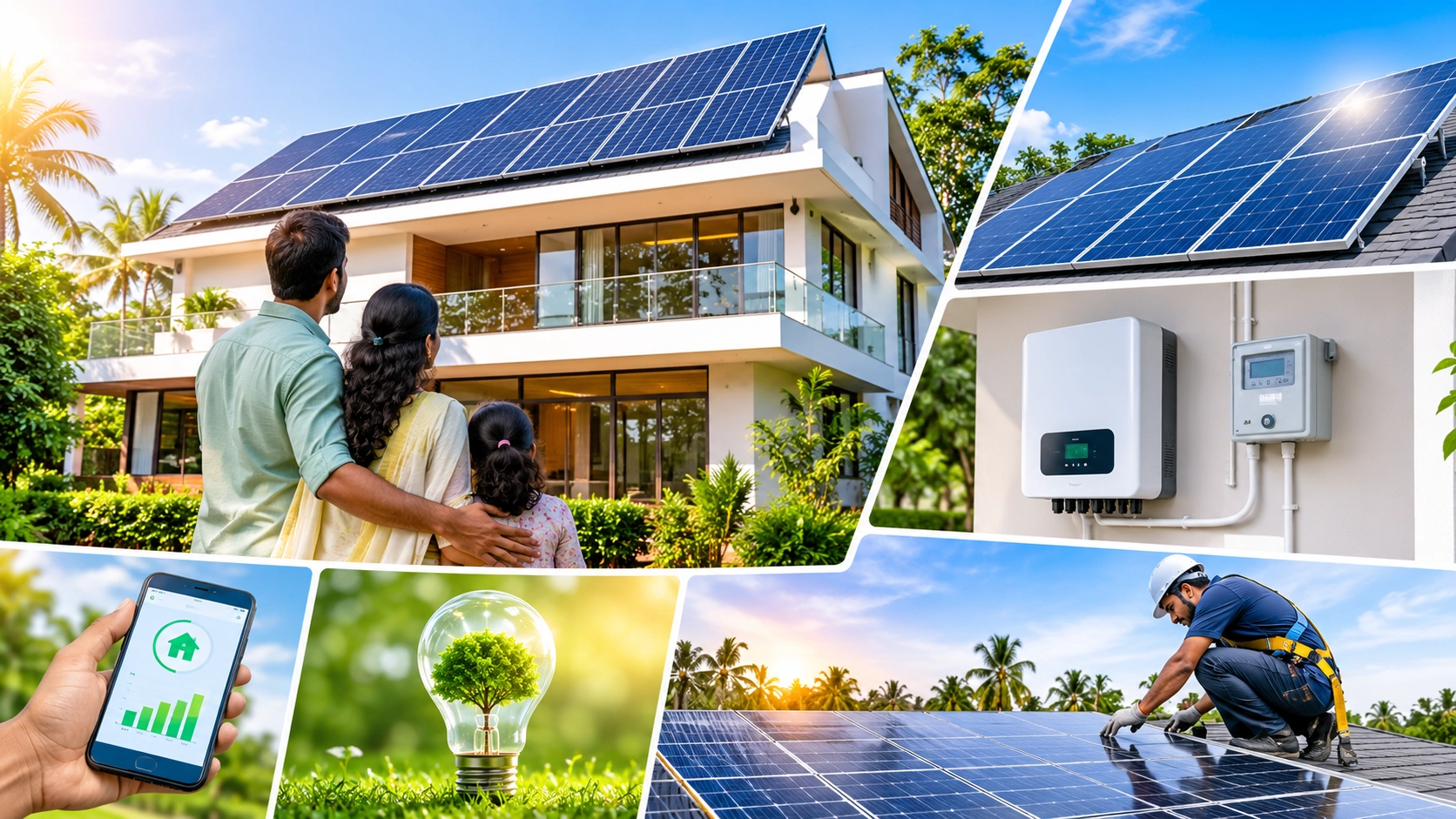
A rooftop solar system consists of several components that work together to generate and supply electricity.
Solar panels: Capture sunlight and generate DC electricity.
Solar inverter: Converts DC electricity into usable AC electricity.
Mounting structure: Secures the panels to the roof at a suitable angle.
Electrical protection equipment: Helps protect the system against electrical faults and surges.
Metering system: Measures electricity imported from or exported to the grid, where applicable.
Battery storage: Stores surplus electricity for later use in systems designed with battery backup.
During sunny hours, solar energy can supply your household appliances. If your system produces more electricity than your home needs, the surplus may be exported to the grid, depending on your connection and applicable regulations.
Choosing the Right Solar System for Your Home
Every household has different electricity requirements. The right system capacity depends on your monthly consumption, daytime electricity usage, available roof space, and budget.
Before selecting a Solar Panel For Home, review your recent electricity bills to understand your average monthly consumption. Consider appliances such as air conditioners, refrigerators, washing machines, water pumps, and other equipment that contribute to your energy use.
A professional assessment can help determine the suitable capacity and estimate how much electricity your system may generate.
On-Grid, Off-Grid, and Hybrid Systems
There are three common types of residential solar systems:
On-grid solar system: Connected to the electricity grid. It can reduce electricity purchases by supplying solar power during the day and may allow surplus energy to be exported. Standard grid-connected systems generally shut down during a power outage unless designed with appropriate backup functionality.
Off-grid solar system: Operates independently of the electricity grid and usually includes batteries. It can be useful in locations where grid access is limited or unreliable, but battery capacity and energy management are important.
Hybrid solar system: Combines grid connectivity with battery storage. It can provide backup power during outages while allowing households to use solar energy when available.
Choosing the right solar panel system for home depends on your energy needs, location, backup requirements, and available investment.
Is Your Roof Suitable for Solar Panels?
Roof suitability is an important factor in rooftop solar performance. Before installation, assess the following:
Available space: The roof should have enough usable area for the required number of panels.
Sunlight exposure: Areas with minimal shade from trees, buildings, or other structures are generally more suitable.
Roof condition: The roof should be structurally sound and able to support the mounting system.
Orientation and tilt: Panel positioning should be selected to maximise sunlight exposure throughout the year.
Maintenance access: There should be sufficient space for safe inspection and cleaning.
In Kerala, heavy rainfall, humidity, and seasonal weather conditions make proper mounting, waterproofing, and electrical protection particularly important.
Understanding Solar Installation Costs and Savings
The cost of a residential solar system depends on several factors, including system capacity, panel technology, inverter type, mounting requirements, battery storage, and installation complexity.
When comparing quotations, look beyond the initial price. Review the equipment specifications, warranty coverage, installation quality, monitoring features, and after-sales support.
The potential savings from a Solar Panel For Home depend on how much electricity the system generates and how effectively your household uses that energy. Daytime consumption can help maximise the value of the electricity produced.
Government subsidies may be available for eligible residential installations under applicable schemes. Since eligibility, subsidy amounts, and application procedures can change, check the latest official guidelines before making financial decisions.
Why Professional Solar Panel Installation Matters
A rooftop solar system requires careful planning, electrical work, and secure mounting. Professional Solar Panel Installation helps ensure that the system is designed according to your home's energy requirements and roof conditions.
A reliable installation provider should:
Assess your electricity consumption and roof structure.
Recommend suitable panels, inverters, and system capacity.
Explain warranties and expected maintenance requirements.
Follow applicable electrical safety standards and local regulations.
Provide clear information about grid connection and net metering, where applicable.
Working with an experienced provider can help avoid installation issues and support reliable long-term system performance.
Maintaining Your Rooftop Solar System
Solar panels generally require relatively little maintenance, but regular care helps maintain their performance.
Keep the panels free from dust, leaves, and other debris. In Kerala, rainfall may naturally wash away some surface dirt, but periodic inspection and cleaning may still be necessary.
You should also:
Check for visible damage after severe weather.
Monitor system performance through the inverter or monitoring application.
Arrange professional inspections when performance drops unexpectedly.
Keep nearby trees trimmed if they create excessive shading.
Avoid walking on panels or attempting electrical repairs yourself. Always use qualified professionals for maintenance work.
How to Choose the Best Solar Provider
Choosing the right installer is just as important as selecting the equipment. Look for a provider with relevant experience, transparent quotations, suitable technical expertise, and dependable customer support.
If you are researching the best solar company in kerala, compare providers based on installation quality, product warranties, service availability, and their ability to explain your system clearly.
Ask for a detailed quotation that includes the panels, inverter, mounting structure, wiring, protection devices, installation charges, and any additional costs.
Conclusion
Rooftop solar can be a valuable long-term investment for homeowners looking to reduce electricity expenses and use renewable energy. Understanding your energy consumption, selecting the right system, and ensuring professional installation are essential steps toward achieving reliable performance.
A carefully planned Solar Panel For Home can help your household make better use of sunlight while supporting a cleaner energy future.
Allsun Nature provides solar solutions designed to meet residential energy needs. Contact Allsun Nature to explore a suitable rooftop solar system for your home in Kerala.
Frequently Asked Questions
Recent Blogs
Solar Panel in Kerala: Cost, Benefits, and Installation Guide
Oct 30, 2026
Can Solar Panels Handle Kerala’s Heavy Monsoon Season?
Oct 29, 2026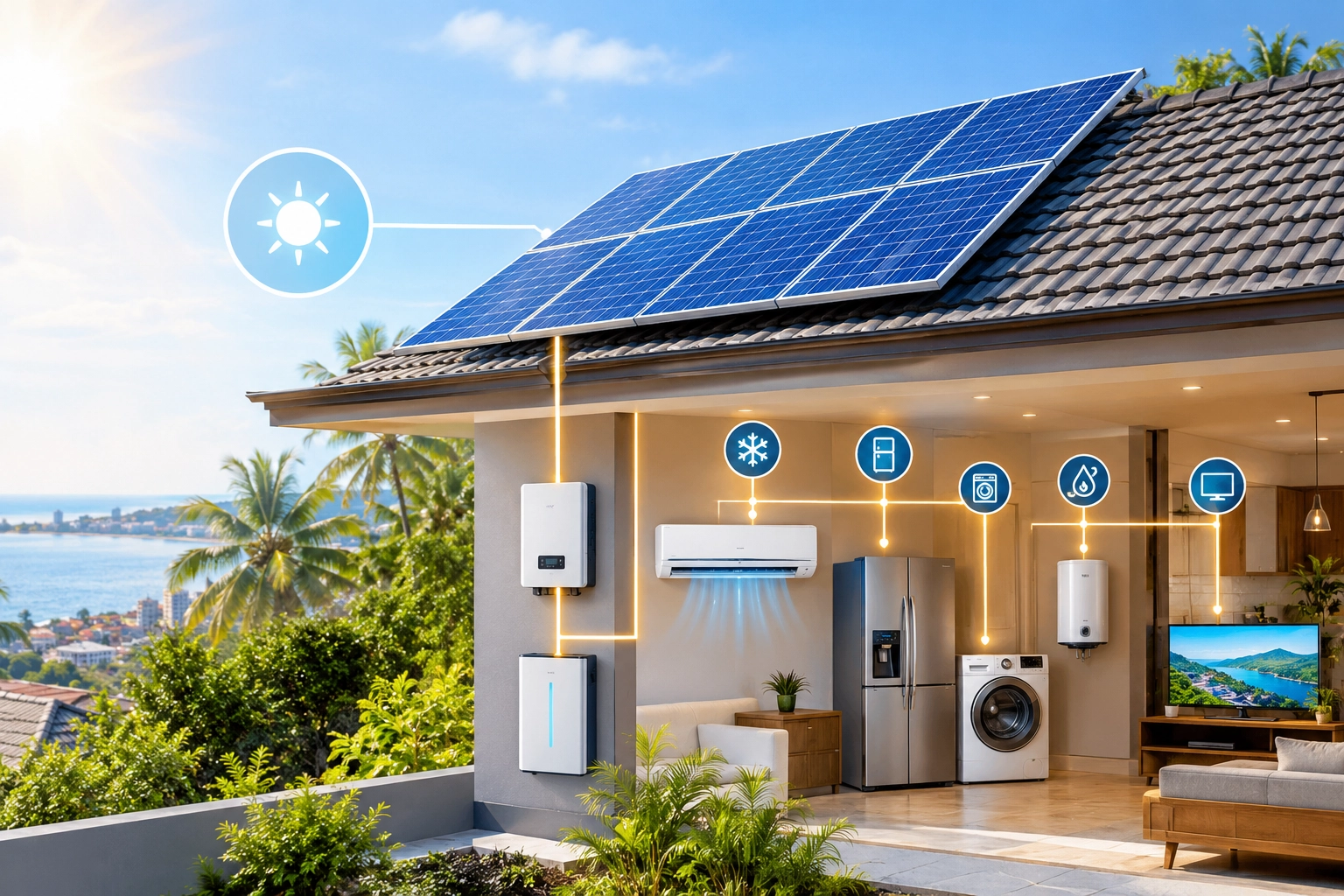
Solar System in Kozhikode: Can Solar Panels Power Air Conditioners and Other Heavy Appliances?
Oct 28, 2026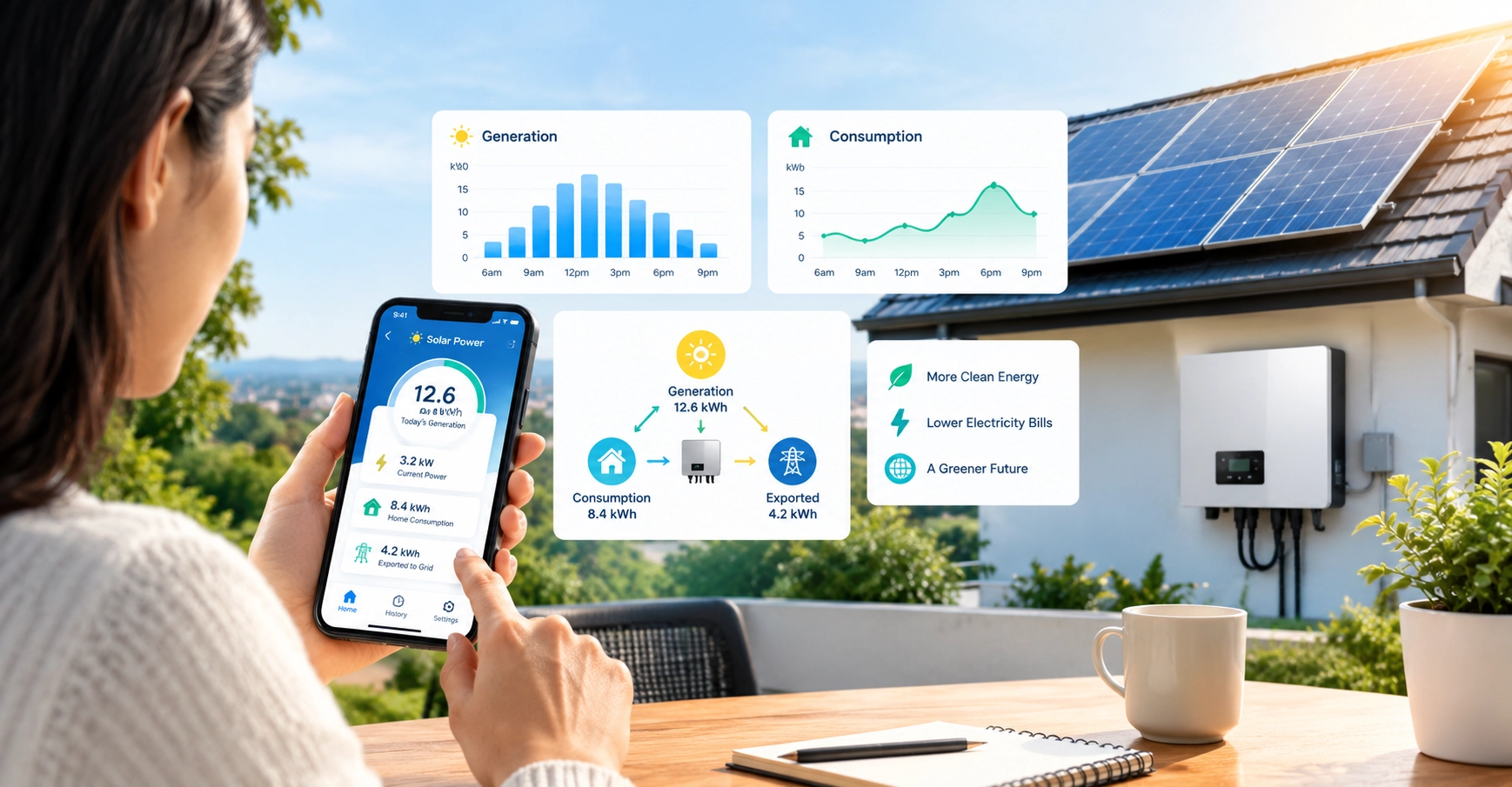
How to Read Solar Monitoring Data and Understand Your System's Performance
Oct 27, 2026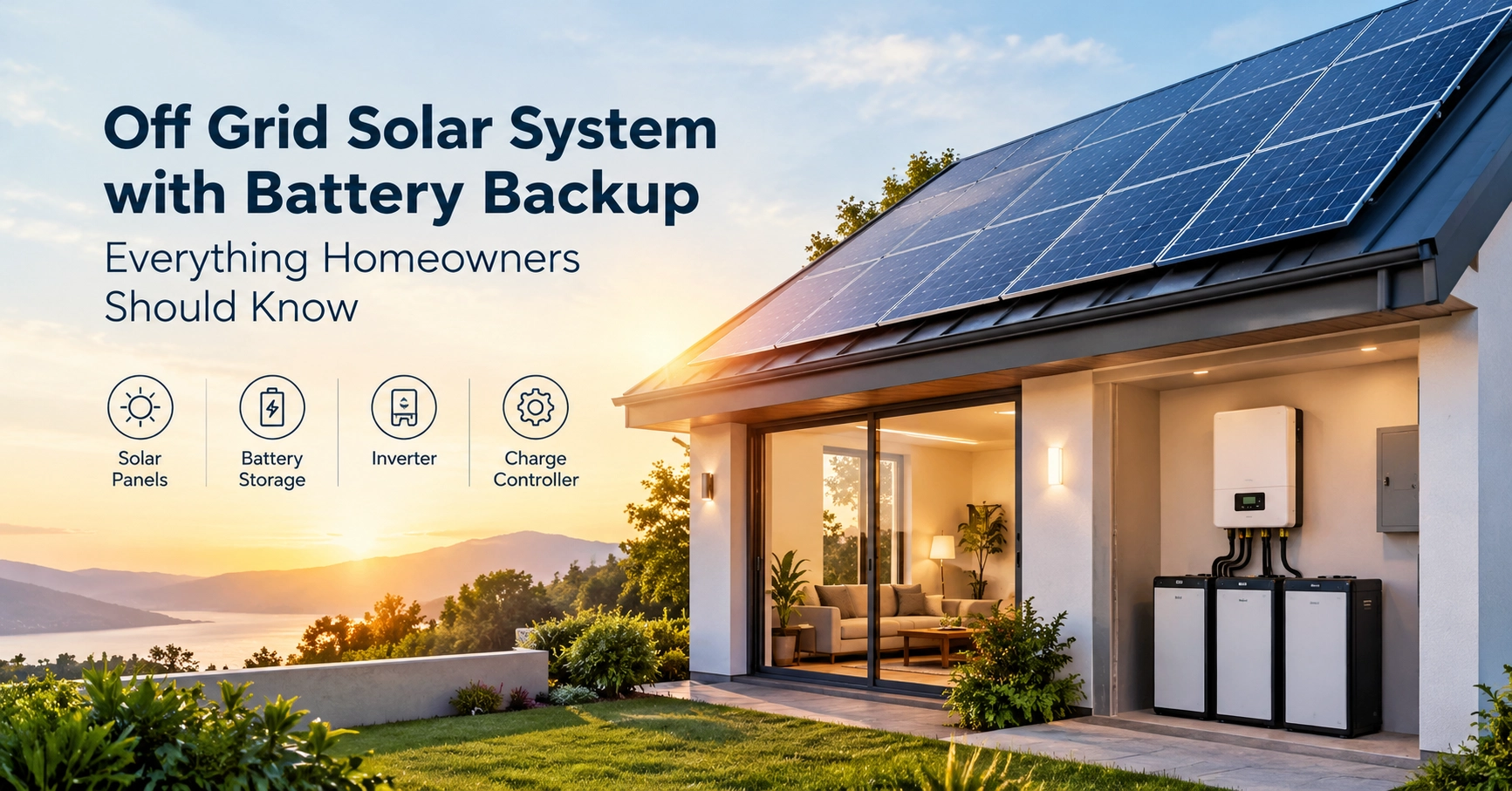
Off Grid Solar System with Battery Backup: Everything Homeowners Should Know
Oct 26, 2026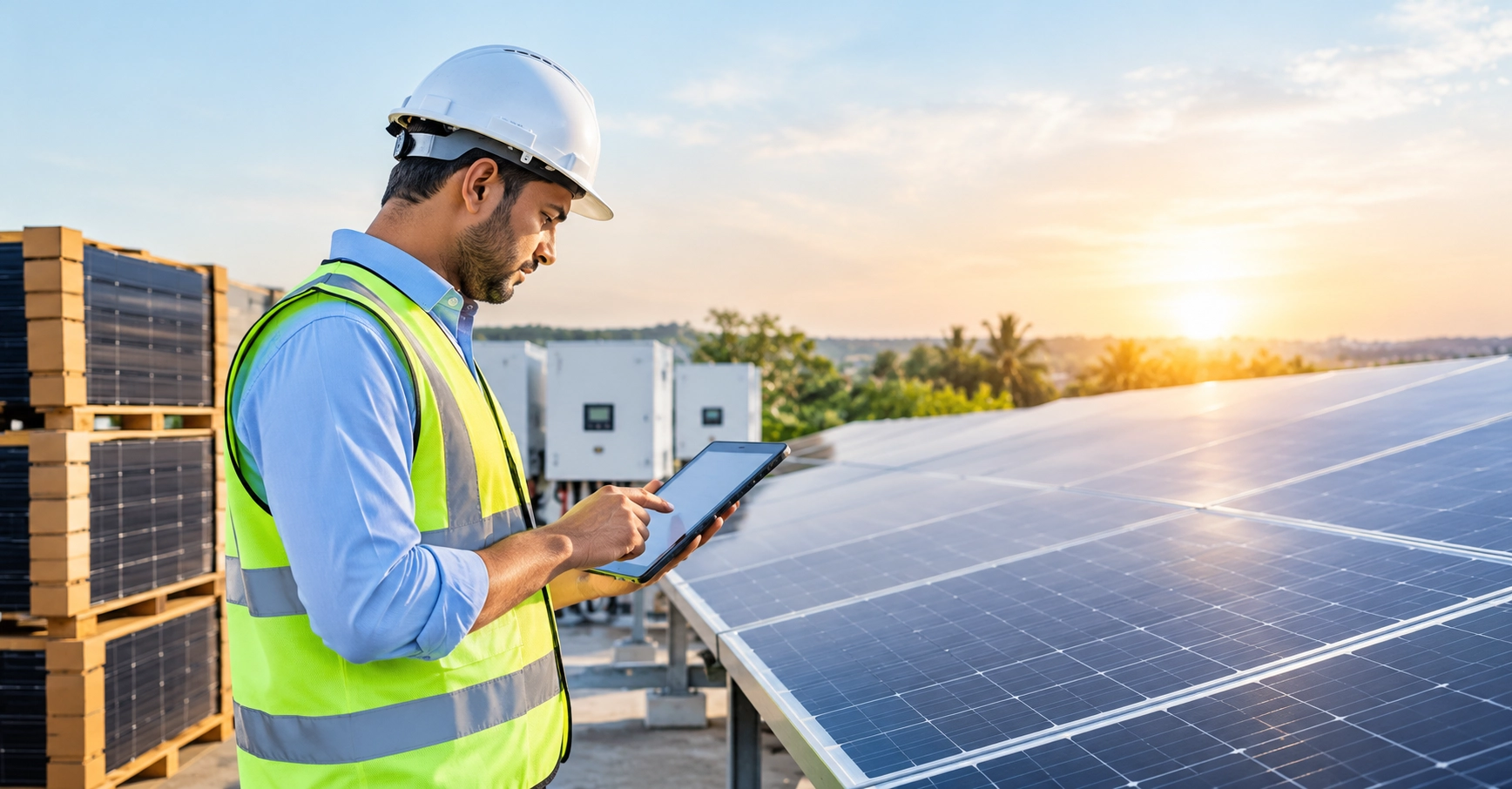
Solar Panel Distributors: Understanding Quality, Pricing, and Product Reliability
Oct 24, 2026
Solar Panels for Houses: Can an Older Home Support a Rooftop Solar System?
Oct 23, 2026
EV Charging Stations Cost: What Factors Affect the Total Price?
Oct 22, 2026
Home Solar Installation: How to Maintain Your System for Long-Term Performance
Oct 21, 2026
Solar Companies: What Homeowners Should Know Before Going Solar
Oct 17, 2026Switch to Solar Today!
Save up to 90% on electricity bills with Allsun Nature's customized rooftop solar solutions.
Get Free Quote