

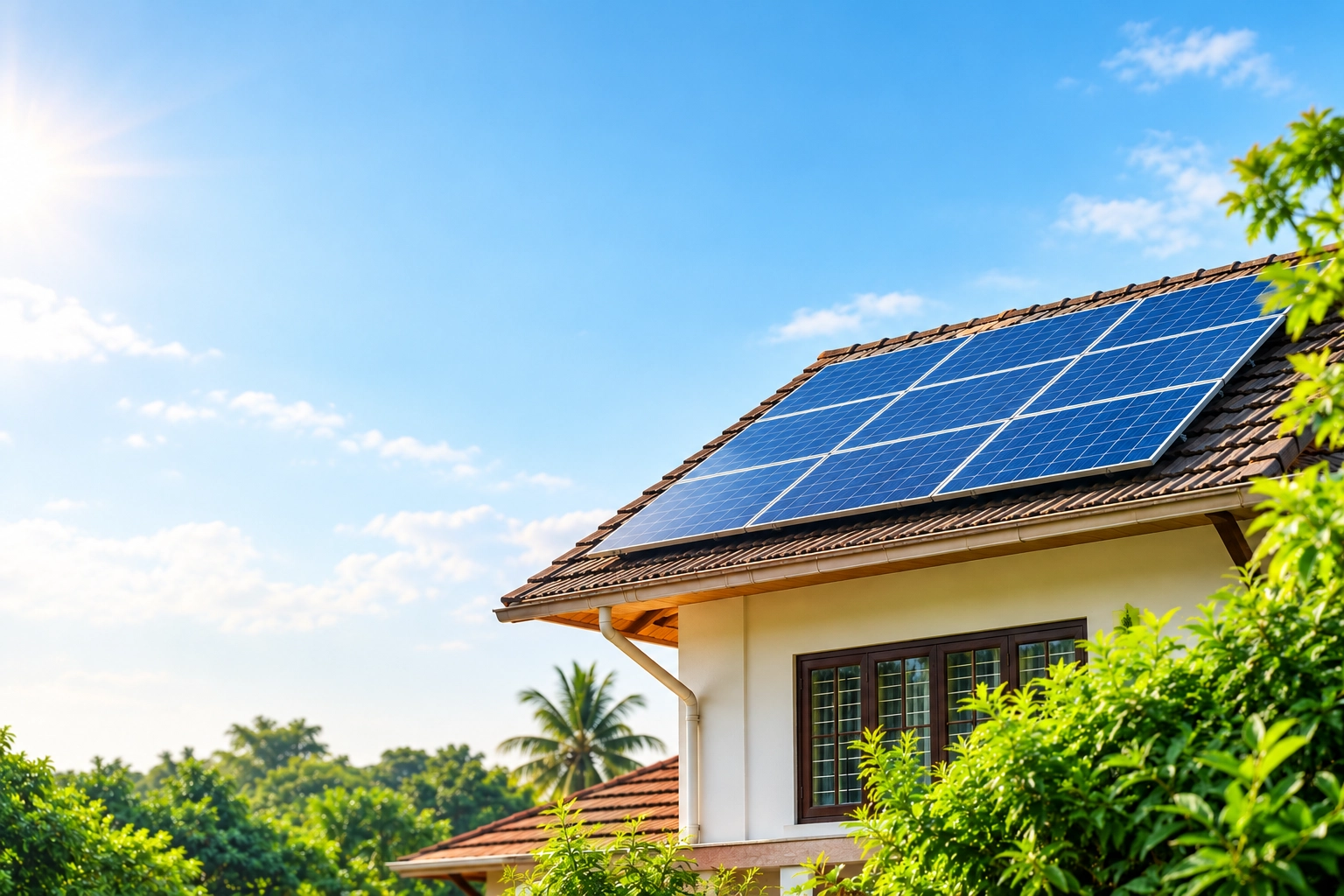
Installing solar panels is becoming a practical option for homeowners who want to reduce their dependence on conventional electricity. While many people associate solar energy with newly built houses, older homes can also be suitable for rooftop solar installations. However, the age of a building alone does not determine whether solar installation is possible. Factors such as roof condition, structural strength, available space, and electrical infrastructure play a much more important role.
If you live in an older house and are considering solar energy, understanding these factors can help you make an informed decision before investing in a system.
1. Does the Age of Your House Matter?
An older house does not automatically become unsuitable for solar installation. Many buildings that have been standing for decades can support rooftop solar panels if their roofs and structures remain in good condition.
The main concern is whether the building can safely support the additional load of the mounting structure and solar panels. Concrete roofs, tiled roofs, and metal sheet roofs may all be suitable in certain circumstances, but each requires a different installation approach.
Before proceeding, a qualified professional should assess the roof and identify any structural concerns. Cracks, corrosion, damaged roofing materials, or signs of water leakage should be investigated before installation begins.
For homeowners considering Solar Panels for Houses, a proper assessment is more useful than making a decision based only on the building's age.
2. Check the Condition of Your Roof
The roof is one of the most important factors when planning a solar installation. Even if an older house appears structurally sound, its roofing materials may need attention before panels are installed.
Look for signs such as:
Cracks in concrete slabs or visible structural damage.
Water leakage during heavy rainfall.
Loose, broken, or damaged roof tiles.
Rust or corrosion on metal roofing structures.
Deteriorating waterproofing or drainage arrangements.
These issues do not always mean that solar installation is impossible. However, they should be evaluated and addressed where necessary before the mounting system is installed.
It is also important to consider future roof maintenance. Solar panels are designed to operate for many years, so repairing a roof before installation may help avoid the expense and disruption of removing panels for later repairs.
3. Can an Older Roof Handle the Additional Weight?
Solar panels, mounting structures, and associated equipment add weight to a roof. Whether an older building can safely support that load depends on its construction, condition, design, and existing structural capacity.
A reinforced concrete roof may provide a suitable installation surface, but its age and appearance alone cannot confirm its strength. Similarly, a tiled or metal roof may require specially designed mounting arrangements.
A structural assessment can help determine whether reinforcement or other modifications are necessary. Avoid installing panels on a roof with unresolved structural concerns.
When planning Solar Panels for Houses, homeowners should prioritise structural safety over installation speed or the lowest quotation. A suitable design helps ensure that the system is installed securely and performs reliably.
4. Is There Enough Space for Solar Panels?
Older houses may have smaller rooftops, additional structures, water tanks, or extensions that limit the available installation area. Nearby buildings and trees can also cast shadows across the roof.
Before selecting a system, evaluate how much usable roof space is available. The required area depends on the system capacity, panel dimensions, mounting layout, and necessary access space.
Roof direction and sunlight exposure should also be considered. In India, a well-planned installation can make effective use of available sunlight, but the best layout depends on the individual property.
If the roof has limited space, a solar professional can assess whether a smaller system would meet the household's most important electricity needs. The goal is to select a practical system rather than install more panels than the roof can accommodate.
5. Review Your Existing Electrical System
Older houses may have electrical wiring, distribution boards, or earthing arrangements that need upgrading before a solar system is connected.
A qualified electrician or solar installer should check the condition of the existing wiring, circuit protection, earthing, and other relevant electrical components. Any necessary improvements should be completed according to applicable electrical safety requirements.
The inverter and associated equipment must also be compatible with the proposed solar system and the home's electrical setup. For grid-connected installations, the local electricity provider's technical and connection requirements must be considered.
Good planning for Solar Panels and Installation includes more than placing panels on a roof. It also involves ensuring that the electrical system can safely accommodate the new equipment.
6. Should You Repair the Roof Before Installing Solar?
In many cases, yes. If an older roof needs waterproofing, tile replacement, structural repairs, or other significant maintenance, it is generally sensible to complete that work before installing solar panels.
Solar panels can remain in service for many years. If the roof requires major repairs shortly after installation, the panels and mounting equipment may need to be removed temporarily, increasing costs and inconvenience.
Discuss any planned roof renovations with the installer before finalising the system design. This is particularly important for older houses with a history of leakage or recurring maintenance issues.
Addressing roof problems early can help protect both the building and the solar investment.
7. Choose the Right Solar System for Your Household
The right solar system depends on your household's electricity consumption, available roof space, budget, and expectations for backup power.
Start by reviewing your electricity bills to understand your typical monthly consumption. Consider whether you regularly use air conditioners, water heaters, refrigerators, pumps, or other high-consumption appliances.
You should also decide whether you want a grid-connected system, a hybrid system with battery storage, or an off-grid arrangement. Each option has different requirements and is suited to different circumstances.
A grid-connected system may be appropriate where the electricity grid is available and suitable for connection. A hybrid system may be worth considering if backup power is important, while an off-grid system requires careful planning around energy storage and demand.
For homeowners exploring Solar Panels for Houses, choosing a system based on actual electricity usage can help avoid unnecessary capacity and expenditure.
8. Consider Costs, Maintenance, and Long-Term Value
The total cost of installing solar on an older house depends on more than the panels themselves. Roof repairs, structural reinforcement, electrical upgrades, mounting equipment, inverter selection, and installation complexity may affect the final quotation.
Request a detailed estimate that clearly separates the main equipment and installation costs from any additional work. Ask about product warranties, installation workmanship, maintenance requirements, and after-sales support.
Solar systems generally require periodic inspection and appropriate cleaning, while electrical components should be checked according to the manufacturer's recommendations and relevant safety guidance.
If your home needs extensive repairs, compare the cost of making the property solar-ready with the expected benefits of the proposed system. Actual savings depend on electricity consumption, solar generation, tariffs, system performance, and applicable grid rules.
9. What Should You Check Before Installation?
Before approving a solar project for an older house, use this simple checklist:
Arrange a roof and structural assessment.
Identify and repair leaks or damaged roofing materials.
Confirm the available installation space and shading conditions.
Inspect the electrical wiring, earthing, and protection equipment.
Review electricity bills and select an appropriate system capacity.
Check grid-connection requirements and available incentives.
Obtain a detailed quotation and understand warranty coverage.
Taking these steps can help identify potential issues early and make the installation process more predictable.
Conclusion
An older house can often support a rooftop solar system, provided the roof, structure, and electrical infrastructure are suitable. Building age alone should not prevent homeowners from exploring solar energy, but a professional assessment is essential before installation.
By checking roof strength, resolving maintenance issues, reviewing electricity consumption, and selecting the right system, homeowners can make a more confident decision about moving towards solar power.
If you are considering Solar Panels for Houses, start with an assessment of your property's current condition and energy requirements. With careful planning and appropriate Solar Panels and Installation, an older home may be able to benefit from solar energy for years to come.
Frequently Asked Questions
Recent Blogs
EV Charging Stations Cost: What Factors Affect the Total Price?
Oct 22, 2026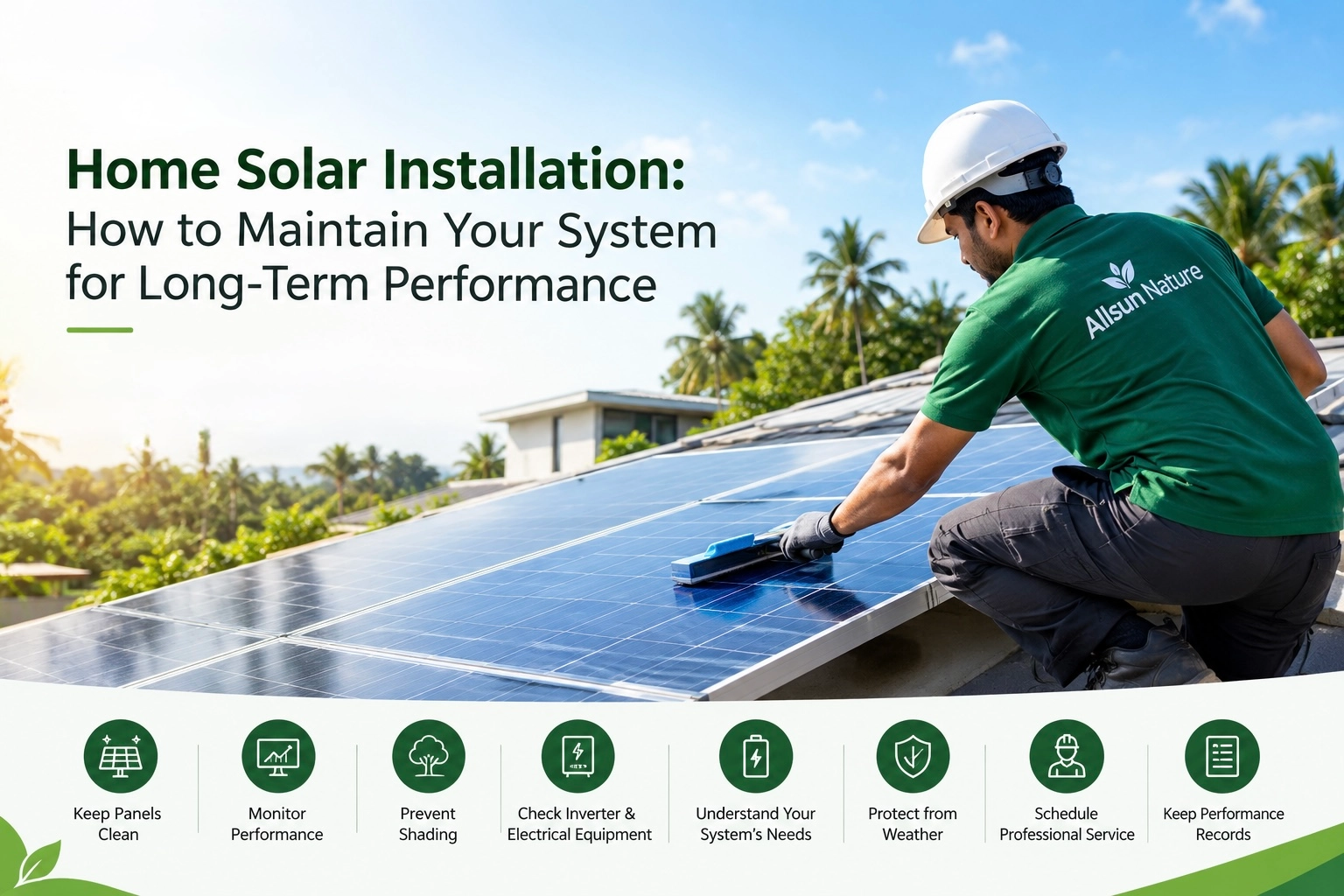
Home Solar Installation: How to Maintain Your System for Long-Term Performance
Oct 21, 2026
Solar Companies: What Homeowners Should Know Before Going Solar
Oct 17, 2026
Can a Home Solar Panel System Reduce Your Electricity Bill to Zero?
Oct 15, 2026
Can You Upgrade an Existing On-Grid Solar System to a Hybrid System?
Oct 14, 2026
Does Roof Direction Affect Solar Panel Performance?
Oct 13, 2026
Best Solar Panels for Small Rooftops: How to Maximise Solar Power
Oct 12, 2026
Solar Energy for Home: How Everyday Appliance Habits Influence Solar Savings
Oct 10, 2026
What Happens to Excess Solar Power Generated by an Industrial Solar System?
Oct 09, 2026
Can an Off-Grid Solar System Power Your Entire Home?
Oct 08, 2026Switch to Solar Today!
Save up to 90% on electricity bills with Allsun Nature's customized rooftop solar solutions.
Get Free Quote