

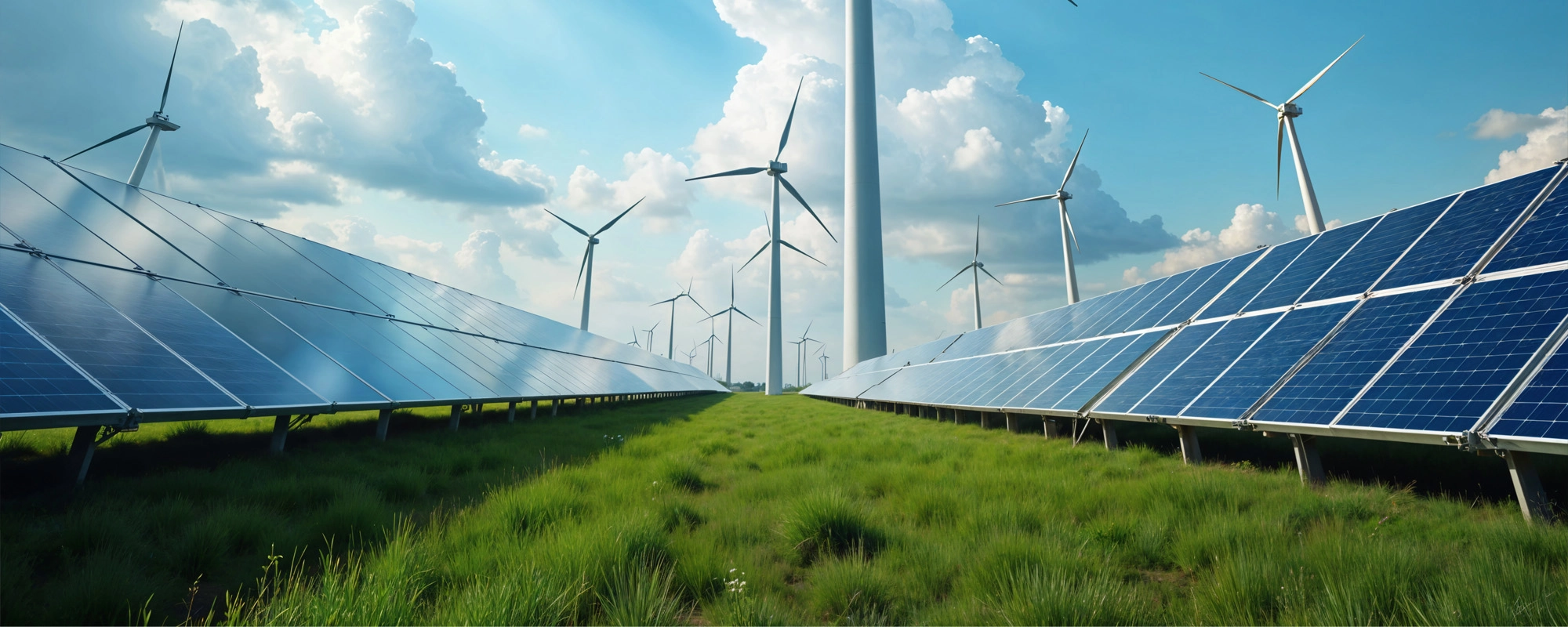
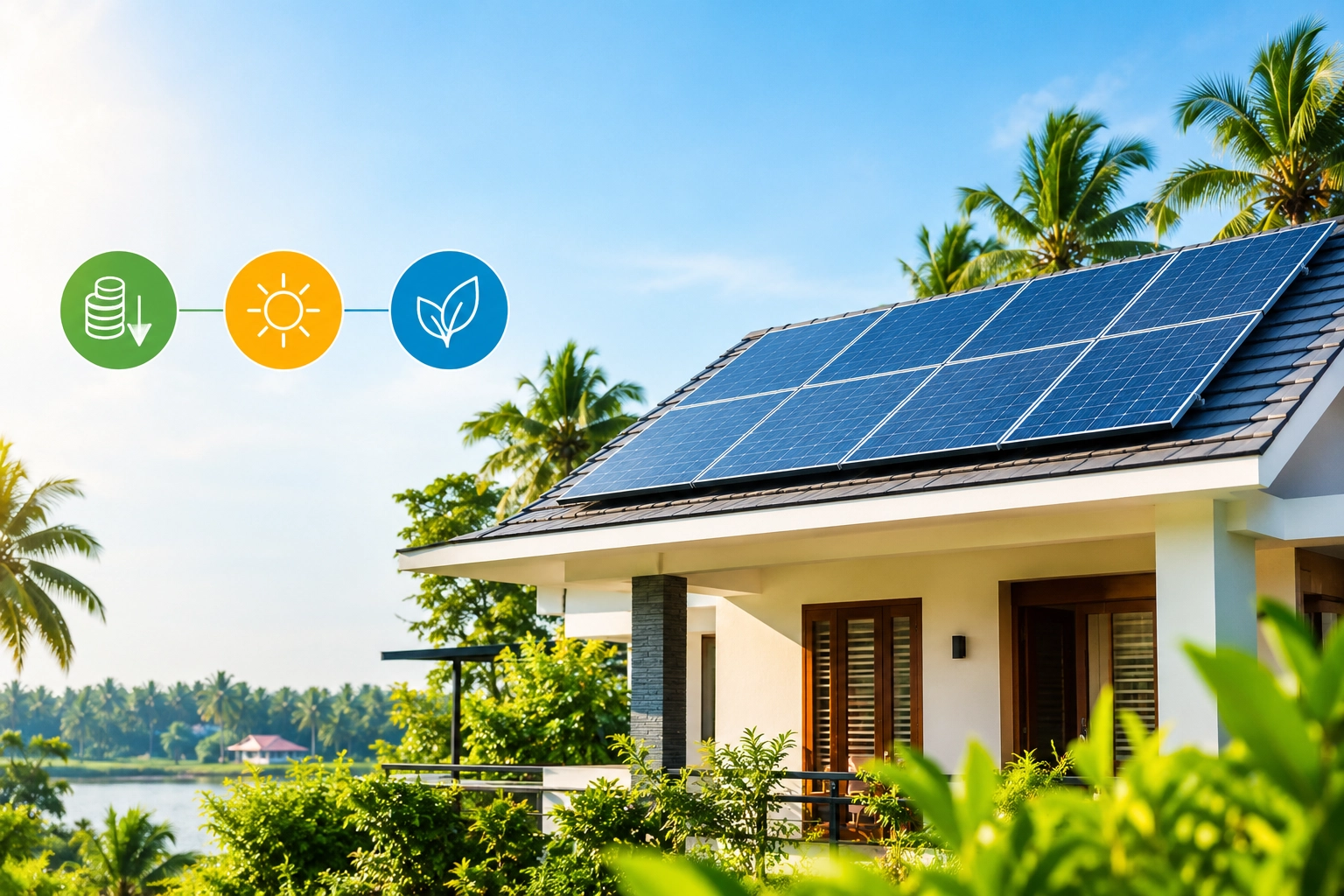
Electricity bills are a regular concern for many households and businesses in Kerala. With the increasing use of electrical appliances, air conditioners, water heaters, and other equipment, monthly electricity consumption can become expensive. Solar energy offers a practical way to generate electricity using sunlight and reduce dependence on electricity from the grid.
Installing a solar panel in Kerala can be a valuable long-term investment for homeowners and business owners who want to manage their electricity expenses. However, before installing a solar system, it is important to understand the costs, benefits, available system types, and installation process.
In this guide, we will explain the important factors to consider when planning a solar installation in Kerala.
Why Is Solar Energy a Good Choice for Kerala?
Kerala receives sunlight throughout the year, although the amount of sunshine varies between seasons. This makes solar power a useful option for homes, commercial buildings, and industrial facilities.
A properly designed solar panel in Kerala can generate electricity during daylight hours and help reduce the amount of power purchased from the electricity grid. The actual energy production depends on sunlight availability, roof orientation, shading, system capacity, and equipment quality.
Solar energy can be particularly useful for households with regular daytime electricity consumption. Businesses that operate during daylight hours may also benefit because they can use the electricity generated by their rooftop solar systems.
How Much Does Solar Panel Installation Cost in Kerala?
The cost of installing a solar system depends on several factors. These include the system's capacity, the type of solar panels, the inverter, mounting structure, wiring, installation work, and whether battery storage is required.
For example, a smaller residential system generally costs less than a large commercial or industrial installation. A system with battery backup may also require additional investment compared with a standard grid-connected system.
Before choosing a solar panel in Kerala, consider the following cost factors:
1. Solar System Capacity
Solar systems are commonly measured in kilowatts (kW). A 3 kW system may suit some households, while homes with higher electricity consumption may need a 5 kW system or more. The correct capacity depends on your electricity usage, available roof space, and budget.
2. Panel Quality and Efficiency
Solar panels differ in efficiency, construction, performance, and warranty coverage. Higher-efficiency panels can be useful when roof space is limited, although the overall system cost should also be considered.
3. Inverter and Other Equipment
The inverter converts the electricity generated by solar panels into usable AC electricity. Its capacity and features should match the solar system design. Mounting structures, protection devices, cables, and installation materials also contribute to the total cost.
4. Battery Backup
Battery storage allows suitable solar systems to store electricity for later use. However, batteries increase the initial investment and may require replacement during the system's lifetime.
5. Roof and Installation Requirements
Roof condition, accessibility, shading, mounting requirements, and wiring distance can affect installation costs. A professional site inspection helps identify these requirements before the work begins.
Since prices vary by project and equipment, request a detailed quotation based on your actual electricity consumption and property conditions.
What Are the Main Benefits of Solar Panels?
Installing solar power can offer several benefits when the system is designed according to your needs.
1. Lower Electricity Bills
One of the main reasons people consider solar energy is the potential to reduce monthly electricity expenses. Solar panels generate electricity during the day, allowing homes and businesses to use the power they produce instead of purchasing all their electricity from the grid.
The amount saved depends on your consumption pattern, solar generation, applicable electricity tariffs, and the rules governing exported electricity.
2. Long-Term Energy Savings
Solar panels are designed to operate for many years with appropriate maintenance. Although the initial installation requires an investment, the system may provide long-term financial benefits through reduced grid electricity purchases.
When evaluating a solar panel in Kerala, compare the installation cost with the expected electricity savings over the system's useful life. Include maintenance expenses, inverter replacement, and other potential costs in your calculations.
3. Renewable Energy Generation
Solar power uses sunlight to generate electricity without burning fuel during operation. By producing renewable electricity, households and businesses can reduce their reliance on conventional grid power.
This makes solar energy a useful option for people looking to adopt more sustainable energy practices.
4. Suitable Solutions for Different Properties
Solar systems can be designed for independent houses, apartments with suitable installation arrangements, shops, offices, factories, and other commercial properties.
The required capacity and system configuration depend on the building's energy demand, available space, and operating requirements.
5. Better Control Over Daytime Electricity Use
Homes that use washing machines, water pumps, computers, and other appliances during daylight hours may be able to consume a greater share of their solar generation directly.
Businesses with daytime operating schedules can also benefit from matching their electricity consumption with solar production.
Which Type of Solar System Should You Choose?
Before installing solar panels, it is important to understand the three main system types.
On-Grid Solar System
An on-grid solar system is connected to the electricity grid. During sunny periods, the system supplies electricity to the property. Depending on the system configuration and applicable regulations, surplus electricity may be exported to the grid.
These systems are worth considering for properties with a reliable grid connection and a goal of reducing electricity bills. Standard on-grid systems generally shut down during a grid outage unless specifically designed with approved backup functionality.
Off-Grid Solar System
An off-grid system operates independently of the electricity grid and typically uses batteries to store energy. It may suit properties without a reliable grid connection, but the battery capacity and solar generation must be carefully planned to meet electricity demand.
Hybrid Solar System
A hybrid solar system combines solar generation with battery storage and a grid connection. Depending on its design, it can provide backup power during certain outages.
When selecting a solar panel in Kerala, consider your area's power supply, backup requirements, daily consumption, and budget before deciding which configuration is appropriate.
How to Choose the Best Solar Panels
Choosing the right panels requires more than comparing prices. You should consider efficiency, product quality, warranty terms, available roof space, and the suitability of the equipment for local weather conditions.
When comparing the Best Solar Panels for your property, pay attention to the manufacturer's product warranty and performance warranty. Ask about the expected output, temperature performance, installation requirements, and availability of service support.
Roof space is another important consideration. If your roof has limited usable area, higher-efficiency panels may help you achieve the required system capacity within the available space.
Kerala also experiences heavy rainfall and humid conditions. Therefore, proper mounting, secure electrical connections, suitable waterproofing, and good installation practices are important for long-term performance.
A qualified installer can assess your roof and recommend suitable equipment based on your requirements rather than simply selecting the most expensive option.
Steps Involved in Solar Panel Installation
Understanding the installation process helps homeowners prepare for the project.
Step 1: Assess Your Electricity Consumption
Review your recent electricity bills to understand monthly consumption and identify when most electricity is used.
Step 2: Inspect the Roof
The installation team should assess roof condition, available space, shading, orientation, and structural suitability.
Step 3: Select the System Capacity
Based on your energy needs and site conditions, choose an appropriate system size and configuration.
Step 4: Compare Quotations
Compare equipment specifications, installation charges, warranty coverage, and after-sales service. Check whether the quotation includes all required electrical and mounting components.
Step 5: Complete Approvals and Installation
Depending on the system and applicable regulations, approvals, inspections, and utility coordination may be necessary. The installation team should explain the requirements before work begins.
Step 6: Testing and Commissioning
After installation, the system should be tested to confirm that the panels, inverter, safety devices, and monitoring equipment operate correctly.
How to Find Reliable Solar Companies in Kerala
Choosing the right installer is just as important as selecting the equipment. A poorly planned system can affect energy generation, safety, and long-term performance.
When comparing Solar Companies, look for relevant installation experience, transparent quotations, product warranties, and reliable after-sales support.
Ask whether the company conducts a site inspection before recommending system capacity. A professional assessment should consider electricity consumption, shading, roof conditions, and your need for backup power.
You should also confirm who will handle installation, commissioning, maintenance, and any required utility approvals.
Comparing multiple quotations can help you understand the differences between equipment options and installation services. However, avoid choosing a provider based on price alone.
Experienced Solar Companies should be able to explain the expected system performance, important limitations, maintenance requirements, and the costs involved.
Solar Panel Maintenance in Kerala
Solar panels generally require limited maintenance, but regular checks help maintain performance.
Dust, leaves, bird droppings, and other deposits can reduce the amount of sunlight reaching the panels. Cleaning may be necessary depending on the location and the level of dirt accumulation.
During the monsoon, inspect the system for visible damage, loose components, water-related issues, or problems with electrical connections. Electrical inspections should be carried out by qualified professionals.
Avoid walking on solar panels or using harsh cleaning materials. Follow the manufacturer's cleaning instructions and use appropriate safety precautions.
Monitoring electricity generation can also help you identify unusual drops in performance. If your system produces significantly less electricity than expected, ask your installer to investigate the cause.
Is Solar Panel Installation Worth It in Kerala?
Solar installation can be worthwhile for homes and businesses with suitable rooftops, sufficient sunlight, and electricity consumption that matches the system's generation.
However, the financial benefits vary from property to property. Roof conditions, system capacity, electricity tariffs, installation costs, and applicable policies all influence the final outcome.
Before investing in a solar panel in Kerala, request a site assessment and an estimate of expected annual generation. Ask for a realistic savings calculation rather than relying on guaranteed bill reductions or unsupported payback claims.
Choosing the right equipment and a suitable installation partner can help you make a more informed decision.
Conclusion
Solar energy offers Kerala households and businesses an opportunity to generate their own electricity and potentially reduce long-term energy expenses. Understanding installation costs, system types, equipment quality, and maintenance requirements can help you choose a solution that fits your needs.
Whether you need a small residential installation or a larger commercial system, careful planning is essential. Compare quotations, review warranties, and select a system based on your actual electricity consumption.
Allsun Nature provides solar solutions for residential, commercial, and industrial requirements. If you are planning to install solar power, contact Allsun Nature to discuss your property, electricity needs, and suitable system options.
Frequently Asked Questions
Recent Blogs
Solar Panel For Home: A Complete Rooftop Solar Guide for Homeowners
Oct 31, 2026
Can Solar Panels Handle Kerala’s Heavy Monsoon Season?
Oct 29, 2026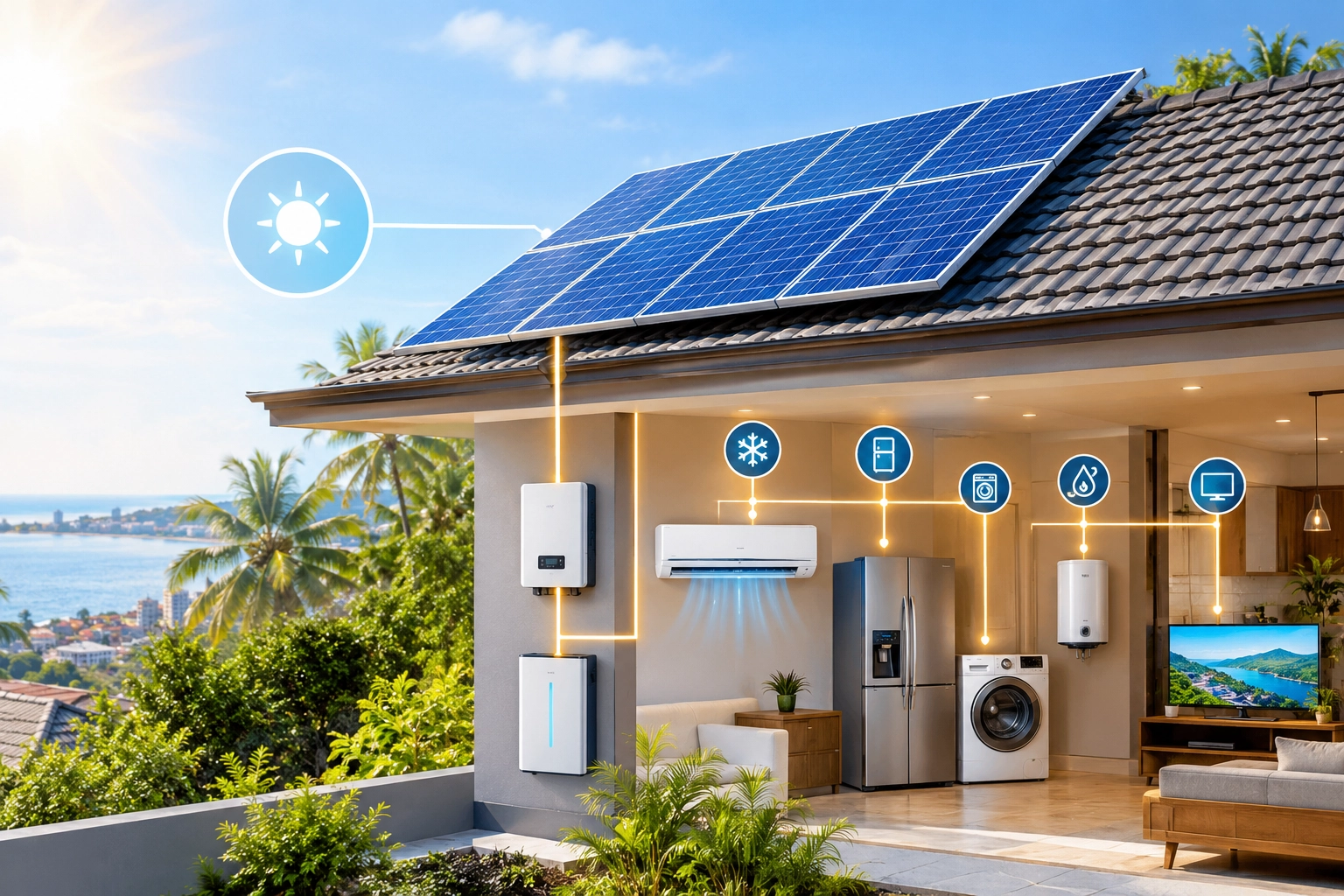
Solar System in Kozhikode: Can Solar Panels Power Air Conditioners and Other Heavy Appliances?
Oct 28, 2026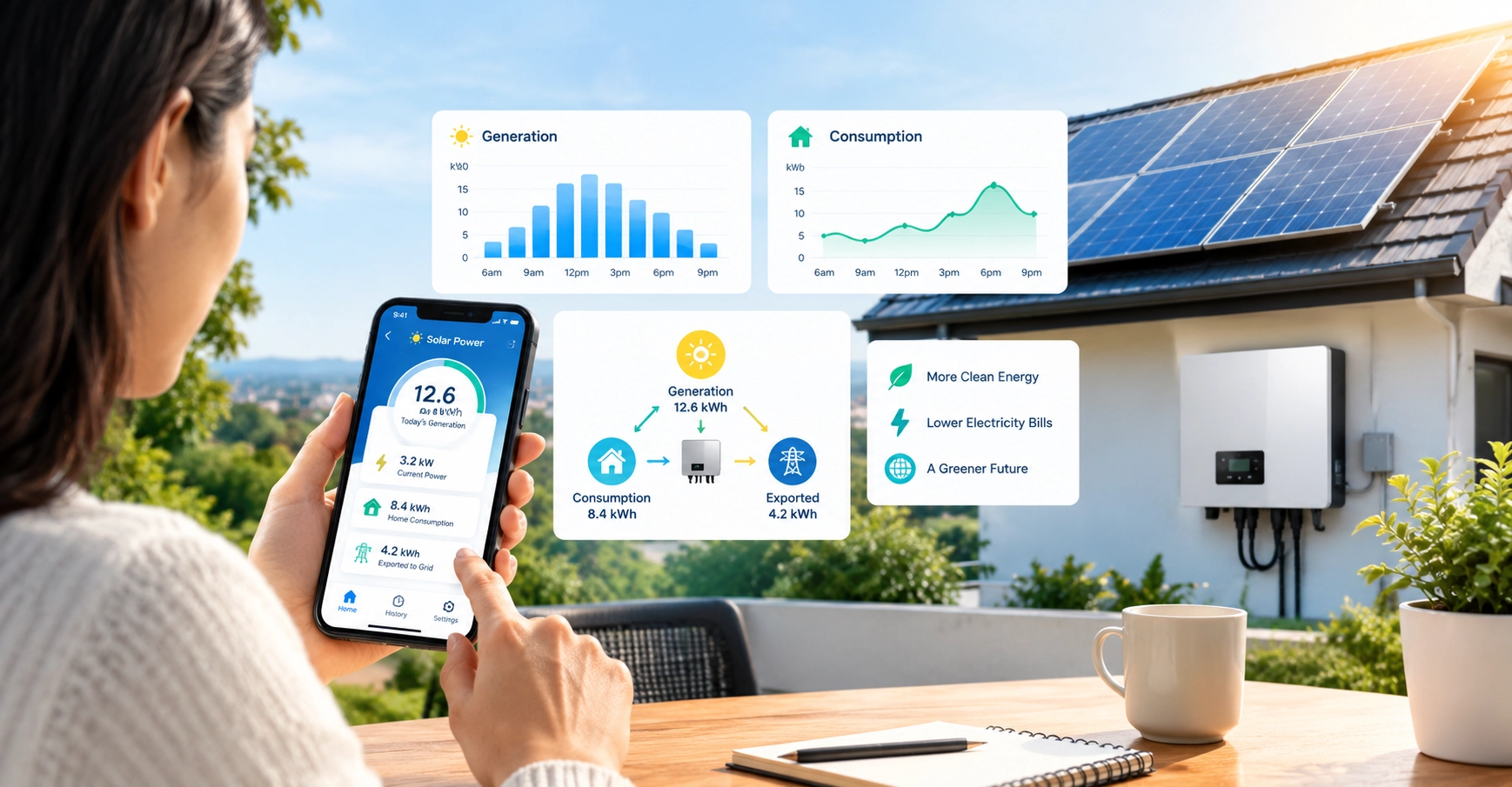
How to Read Solar Monitoring Data and Understand Your System's Performance
Oct 27, 2026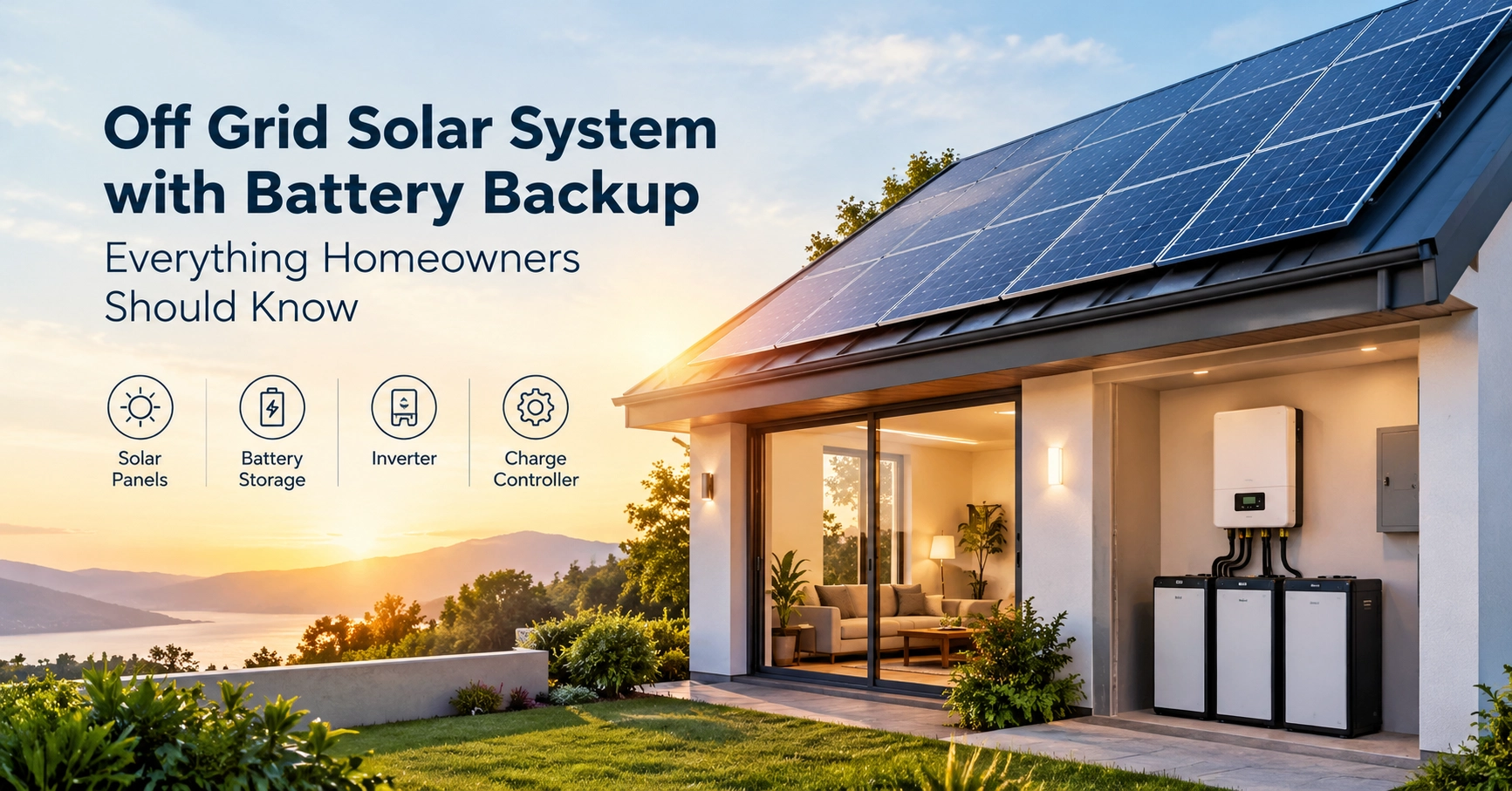
Off Grid Solar System with Battery Backup: Everything Homeowners Should Know
Oct 26, 2026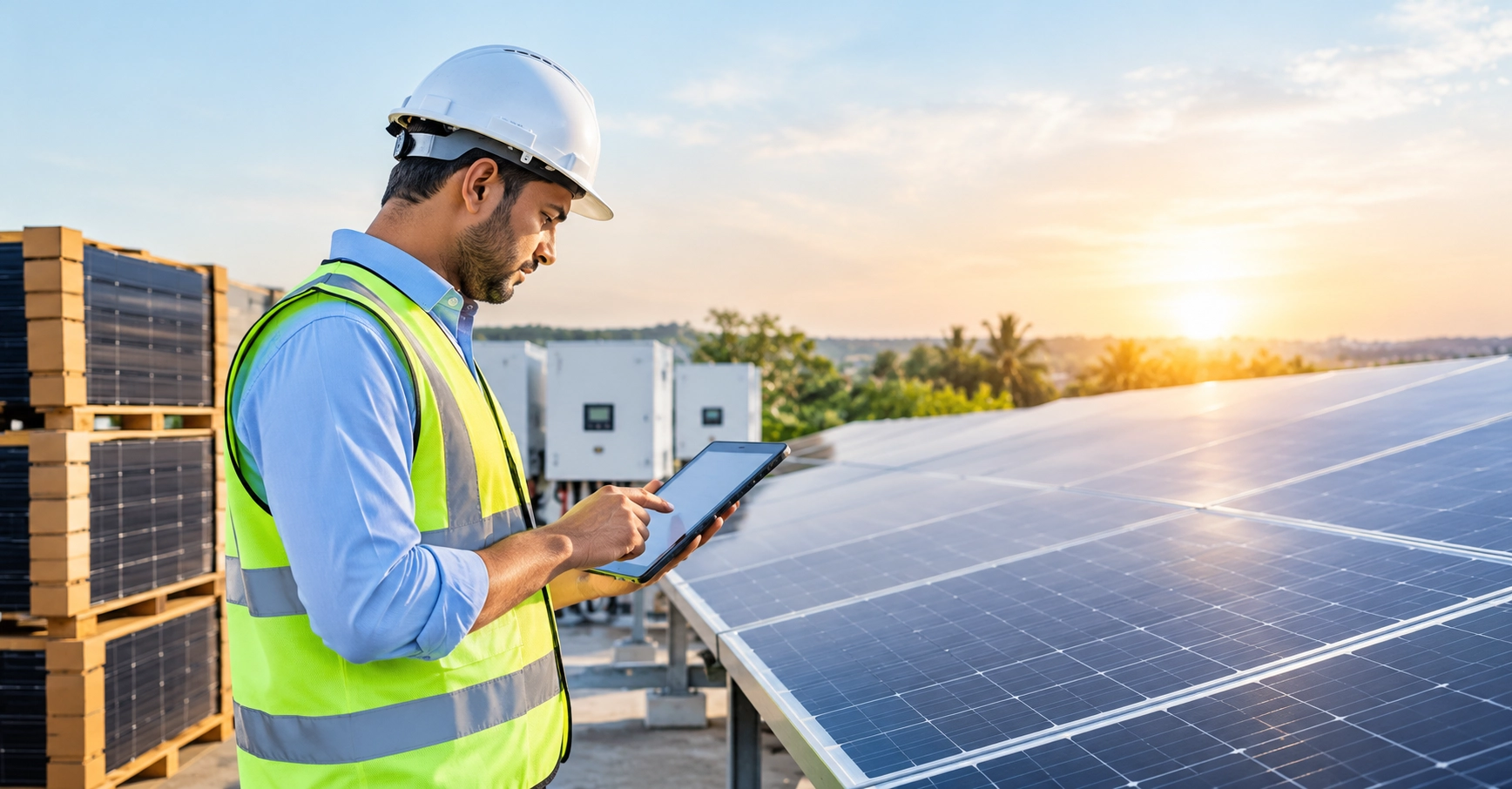
Solar Panel Distributors: Understanding Quality, Pricing, and Product Reliability
Oct 24, 2026
Solar Panels for Houses: Can an Older Home Support a Rooftop Solar System?
Oct 23, 2026
EV Charging Stations Cost: What Factors Affect the Total Price?
Oct 22, 2026
Home Solar Installation: How to Maintain Your System for Long-Term Performance
Oct 21, 2026
Solar Companies: What Homeowners Should Know Before Going Solar
Oct 17, 2026Switch to Solar Today!
Save up to 90% on electricity bills with Allsun Nature's customized rooftop solar solutions.
Get Free Quote