
Choosing the right solar products is an important step towards making a long-term investment in renewable energy. Whether you are planning a residential rooftop system or a large commercial project, the quality of the equipment can influence electricity generation, maintenance requirements, and overall system performance.
While many buyers focus mainly on the initial purchase price, it is equally important to understand product specifications, warranty coverage, supplier credibility, and after-sales support. Making an informed decision helps reduce unexpected expenses and improves the chances of achieving reliable performance over the years.
Understanding how Solar Panel Distributors operate and what they offer can help homeowners, businesses, contractors, and project developers select suitable products for their solar energy requirements.
1. Why Product Quality Matters in Solar Energy
Solar panels are designed to generate electricity over many years. However, their performance depends on several factors, including manufacturing quality, installation conditions, environmental exposure, and regular maintenance.
High-quality panels generally undergo testing to evaluate their electrical performance, durability, and ability to withstand different environmental conditions. Buyers should review product datasheets and relevant certifications instead of relying only on promotional claims.
Important specifications to examine include:
Power output: Measured in watts, this indicates the panel's rated electricity-generating capacity under standard test conditions.
Efficiency: This shows how effectively a panel converts sunlight into electricity.
Temperature coefficient: This indicates how the panel's output changes as its operating temperature increases.
Degradation rate: This describes the expected reduction in power output over time.
Product warranty: This covers specified product defects according to the manufacturer's terms.
Comparing these details makes it easier to identify products that suit the project's requirements. A panel with a lower purchase price may not always be the most suitable option if its specifications, warranty conditions, or expected performance do not meet the buyer's needs.
2. How to Evaluate Solar Panel Distributors
Selecting a supplier involves more than checking product availability. Buyers should consider the distributor's experience, product range, documentation, and ability to provide dependable support throughout the purchasing process.
Reliable Solar Panel Distributors should be able to explain the differences between available panel technologies, provide technical specifications, and clarify the terms of applicable warranties.
Before making a purchase, consider the following points:
Product authenticity: Confirm the manufacturer, model number, and relevant product documentation. Where possible, verify the product through the manufacturer's official channels.
Technical knowledge: A knowledgeable supplier should be able to explain product specifications and help buyers compare suitable options for different project sizes.
Stock availability: Confirm whether the required products are available and whether delivery timelines match the project schedule.
Warranty information: Understand who handles warranty claims, what the warranty covers, and which conditions may affect coverage.
Customer support: Ask how technical questions, damaged deliveries, or product-related issues will be addressed.
These checks help buyers make decisions based on product suitability and service reliability rather than price alone.
3. Understanding Solar Panel Pricing
Solar panel prices can vary depending on the manufacturer, technology, rated capacity, order quantity, availability, and market conditions. Transportation, taxes, and other purchasing costs may also influence the final amount.
For this reason, comparing quotations requires attention to the details included in each offer.
For example, one quotation may include only the solar panels, while another may cover additional components or delivery. Comparing these offers without checking their contents could lead to an inaccurate assessment of value.
When reviewing a quotation, check:
Price per panel and total order value.
Panel wattage and technical specifications.
Brand and model details.
Applicable taxes and transportation charges.
Delivery schedule and payment terms.
Warranty documentation and support arrangements.
For larger projects, buyers may also request quotations for different product models to understand the balance between upfront cost and technical performance.
The objective should be to identify a suitable product at a reasonable price while maintaining the required quality standards.
4. Why Warranty and Product Reliability Matter
Solar equipment is a long-term investment, so warranty conditions deserve careful attention before a purchase is finalised. However, not all warranties provide the same coverage.
A product warranty generally addresses specified manufacturing defects, while a performance warranty relates to the panel's expected power output over a stated period. The exact coverage, exclusions, and claim procedures depend on the manufacturer's terms.
Buyers should read the documentation carefully instead of assuming that every issue will automatically qualify for replacement or repair.
Solar Panel Distributors can help buyers understand the documents provided with a product and identify the appropriate contact for warranty-related enquiries. Nevertheless, the actual warranty commitment comes from the responsible manufacturer or warranty provider, subject to the applicable terms.
Product reliability also depends on choosing panels suitable for the project's location and operating conditions. In regions with high temperatures, humidity, heavy rainfall, and coastal exposure, environmental suitability deserves particular consideration.
Reviewing these factors before purchasing can help reduce uncertainty and support better long-term planning.
5. Choosing the Right Solar Equipment for Your Project
Solar panels are only one part of a complete solar power system. Depending on the system design, other components may include inverters, mounting structures, cables, protection devices, batteries, and monitoring equipment.
Each component must be compatible with the overall system. For example, the inverter should be appropriate for the panel configuration and system capacity, while mounting structures must suit the roof or installation surface.
When comparing solar equipment suppliers, buyers should consider the availability of compatible products, technical documentation, and clear information about component specifications.
Residential, commercial, and industrial projects may have different requirements. A homeowner may prioritise available roof space and household electricity consumption, while a commercial project may require closer evaluation of load profiles, installation constraints, and future expansion.
Working with qualified solar professionals can help ensure that equipment selection is based on the project's electrical requirements, site conditions, and expected energy needs.
6. The Importance of Proper Installation and After-Sales Support
Even high-quality solar panels cannot deliver their intended performance if they are installed incorrectly or used with unsuitable components. Installation quality influences system safety, energy generation, and maintenance needs.
A properly planned installation considers roof condition, shading, panel orientation, mounting arrangements, electrical protection, cable management, and inverter placement.
For anyone planning solar installation kerala, local weather conditions and site characteristics should be considered during system design. Heavy rainfall, humidity, high temperatures, and coastal environments can affect equipment selection and installation practices.
After installation, regular monitoring and appropriate maintenance can help identify performance issues. Cleaning requirements depend on dust accumulation, rainfall, the surrounding environment, and the manufacturer's recommendations.
Buyers should also understand who will provide technical assistance if the system experiences an unexpected drop in generation or a component requires attention.
Choosing suitable products and working with qualified installation professionals can help create a more dependable solar power system.
7. Common Mistakes to Avoid When Buying Solar Panels
A few purchasing mistakes can lead to unnecessary costs or difficulties later. Avoid making a decision based only on the lowest quotation, especially when product specifications and warranty conditions differ.
Other common mistakes include:
Ignoring product datasheets and technical specifications.
Failing to verify manufacturer and model details.
Overlooking delivery costs and project timelines.
Assuming that all warranties provide identical coverage.
Purchasing incompatible system components.
Neglecting installation quality and future maintenance requirements.
Before placing an order, prepare a checklist of your technical requirements, budget, expected delivery date, and documentation needs. Ask questions whenever a quotation or warranty term is unclear.
Taking time to verify these details can help buyers make a more confident and informed purchasing decision.
Conclusion
Choosing solar equipment requires a balanced understanding of product quality, pricing, warranty coverage, and long-term reliability. Buyers who compare specifications, verify documentation, and consider the complete system rather than the panel price alone are better positioned to make suitable decisions.
Working with experienced Solar Panel Distributors can make the purchasing process easier by providing product information, helping compare available options, and clarifying important supply details. However, buyers should always verify manufacturer credentials, warranty terms, and technical suitability before committing to a purchase.
For a successful solar project, combine reliable equipment with professional system design, quality installation, and appropriate maintenance. These steps can help support dependable energy generation and a more practical long-term investment in solar power.
Planning your next solar project? Explore suitable solar solutions and make informed decisions about product quality, system requirements, and long-term performance with Allsun Nature.
Frequently Asked Questions
Recent Blogs
Solar Panels for Houses: Can an Older Home Support a Rooftop Solar System?
Oct 23, 2026
EV Charging Stations Cost: What Factors Affect the Total Price?
Oct 22, 2026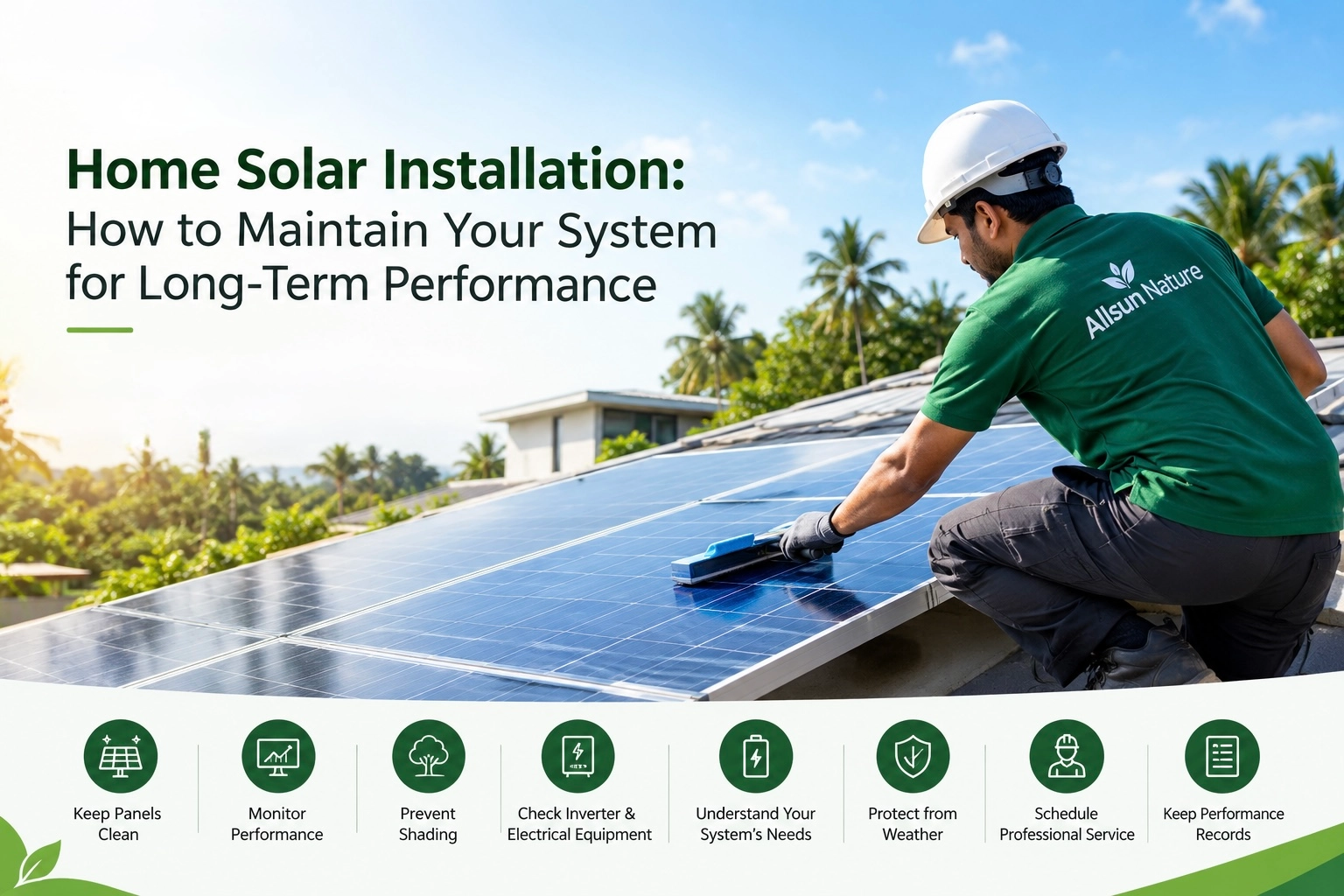
Home Solar Installation: How to Maintain Your System for Long-Term Performance
Oct 21, 2026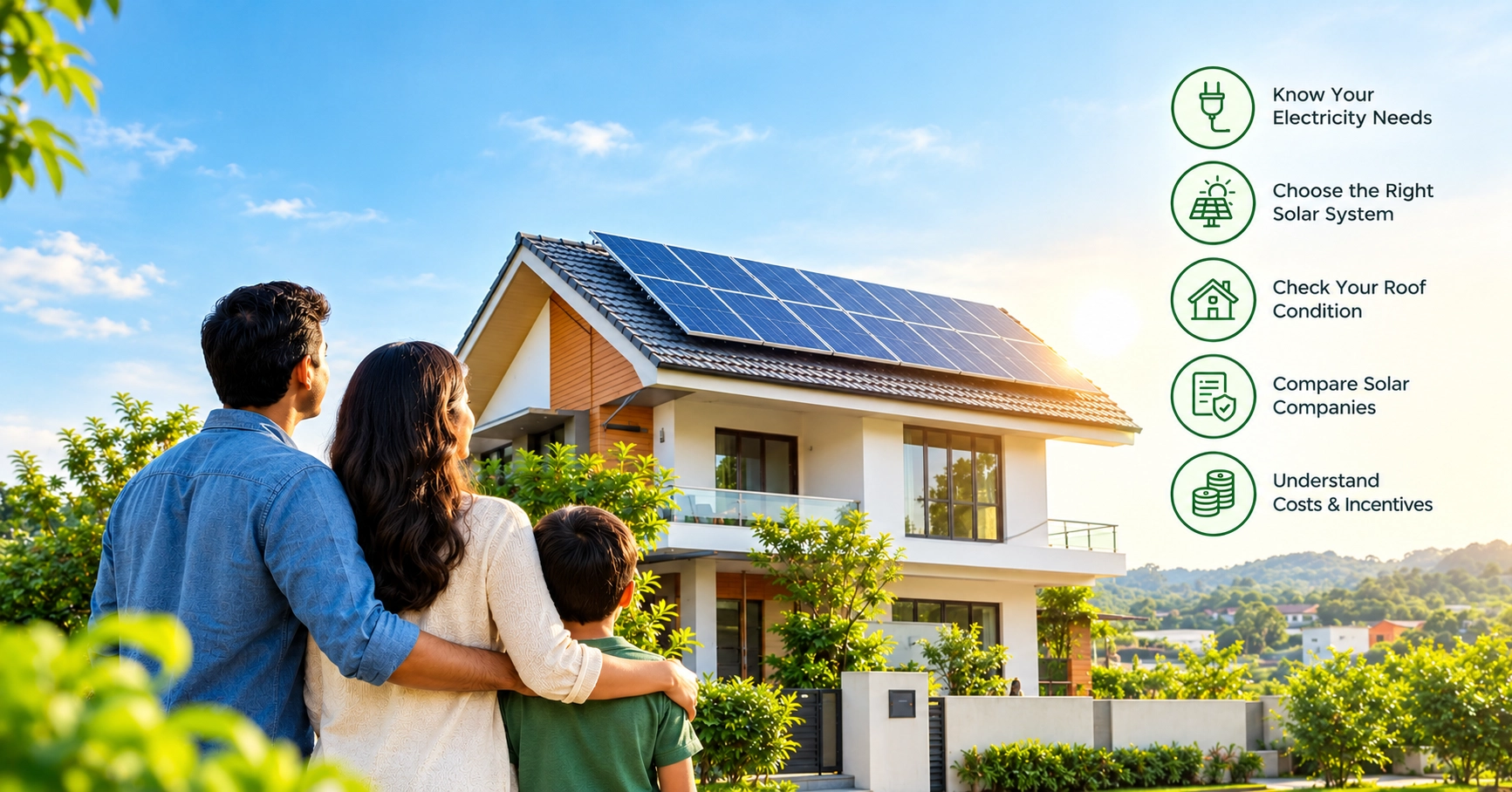
Solar Companies: What Homeowners Should Know Before Going Solar
Oct 17, 2026
Can a Home Solar Panel System Reduce Your Electricity Bill to Zero?
Oct 15, 2026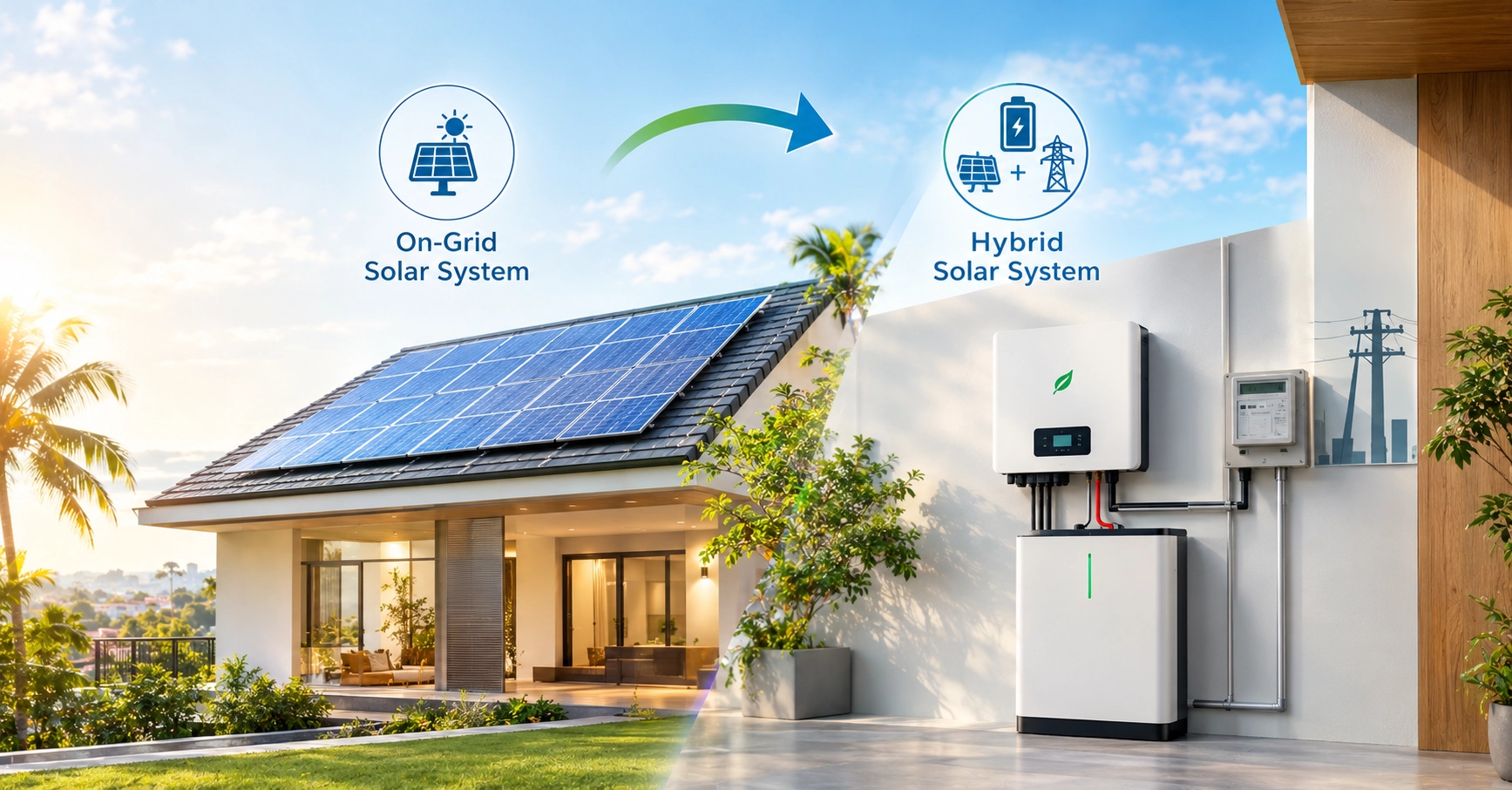
Can You Upgrade an Existing On-Grid Solar System to a Hybrid System?
Oct 14, 2026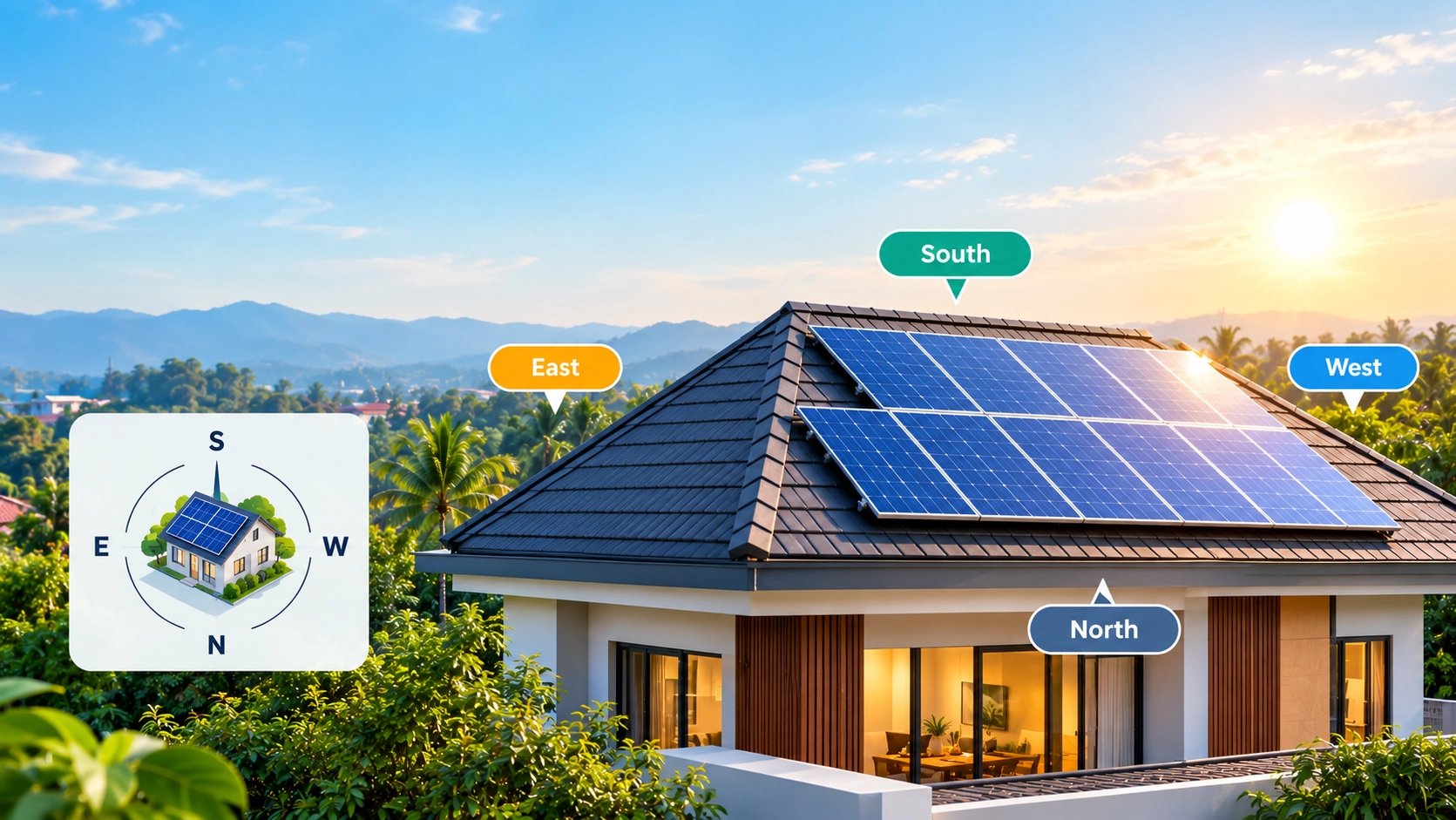
Does Roof Direction Affect Solar Panel Performance?
Oct 13, 2026
Best Solar Panels for Small Rooftops: How to Maximise Solar Power
Oct 12, 2026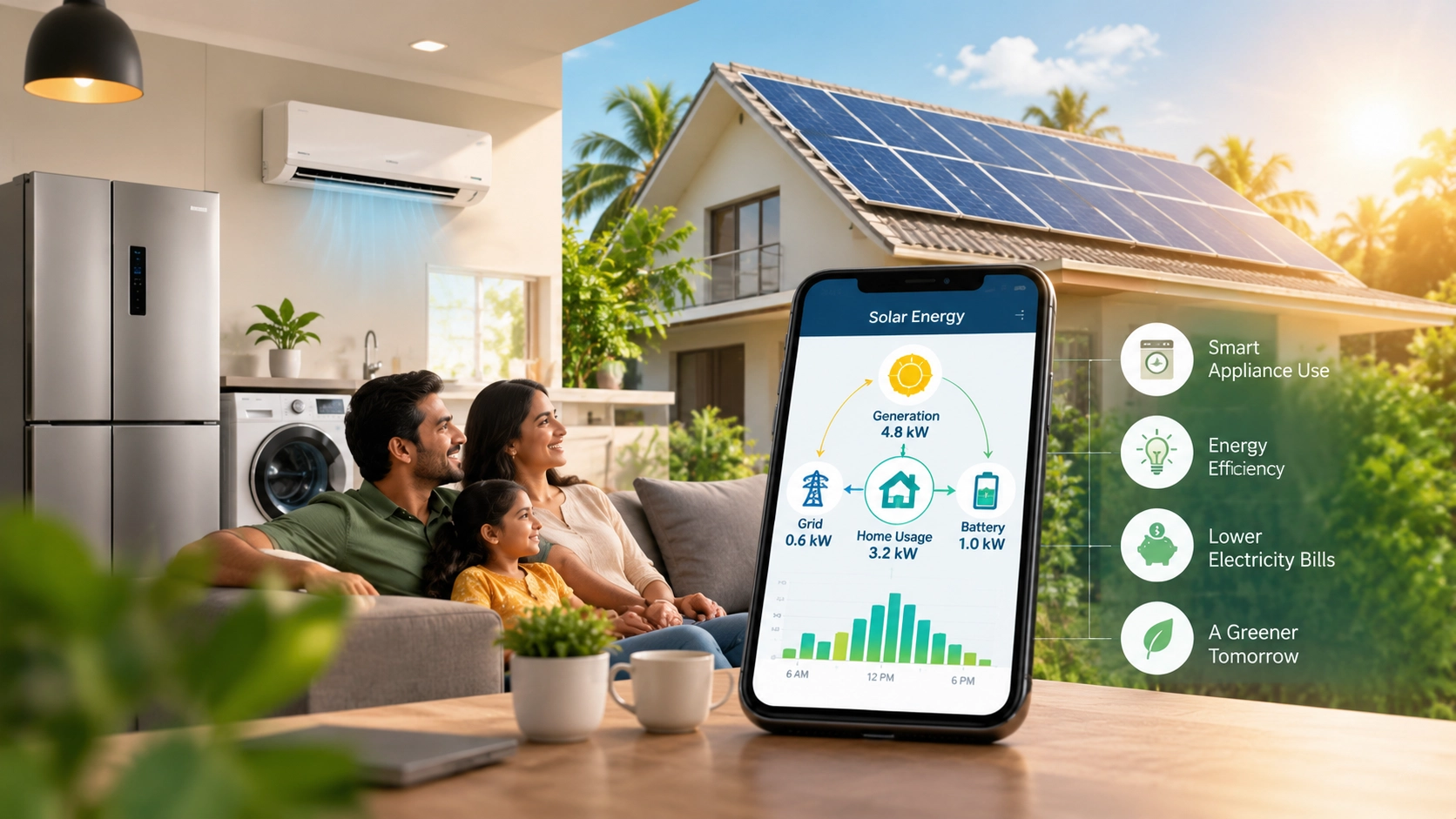
Solar Energy for Home: How Everyday Appliance Habits Influence Solar Savings
Oct 10, 2026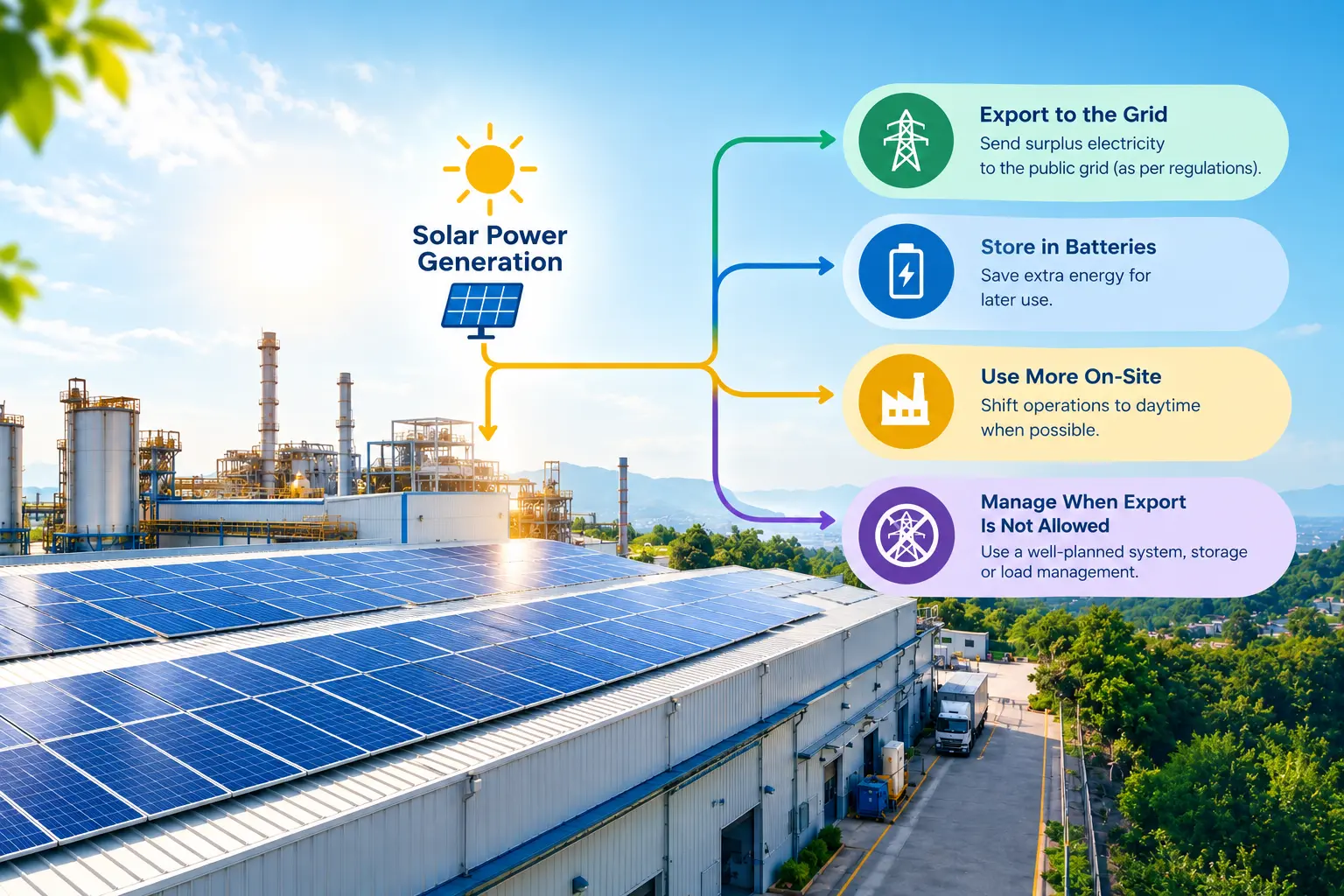
What Happens to Excess Solar Power Generated by an Industrial Solar System?
Oct 09, 2026Switch to Solar Today!
Save up to 90% on electricity bills with Allsun Nature's customized rooftop solar solutions.
Get Free Quote