

Electric vehicles are becoming increasingly popular as more people look for convenient and environmentally friendly ways to travel. As EV ownership grows, the demand for reliable charging facilities is also increasing. Whether you are planning to install a charger at home, set up a charging point at a commercial property, or develop a public charging facility, understanding the total investment is an important first step.
One of the most common questions buyers ask is how much they need to spend on an EV charging solution. The EV charging stations cost depends on several factors, including charger type, charging capacity, installation requirements, electrical infrastructure, and additional equipment.
Understanding these factors can help you choose a suitable charging solution that matches your needs and budget.
1. Type of EV Charger
The type of charger you choose is one of the main factors affecting the overall investment. Different chargers offer different charging speeds, power capacities, and installation requirements.
AC chargers are commonly used in homes, apartments, offices, and locations where vehicles remain parked for several hours. They are suitable for overnight charging and regular daily use.
DC fast chargers deliver electricity to an EV battery more quickly and are generally used at public charging stations, commercial facilities, and highway locations. However, they typically require a higher initial investment and more demanding electrical infrastructure.
When comparing the EV charging stations cost, consider how frequently the charger will be used, how quickly vehicles need to charge, and the type of vehicles it must support. Choosing the right charger can help avoid unnecessary expenses.
2. Charging Capacity and Power Requirements
Charging capacity directly influences the type of equipment and infrastructure required. Lower-capacity chargers may be sufficient for personal vehicles and locations with longer parking periods. Higher-capacity chargers are more suitable for applications that require faster charging or serve multiple vehicles.
However, selecting the highest available capacity is not always the most practical option. A home charging point may have different requirements from a commercial facility that serves several customers throughout the day.
Before selecting equipment, assess the expected number of vehicles, daily charging demand, available electrical supply, and preferred charging time. A proper assessment helps ensure that the charger meets your needs without creating unnecessary installation expenses.
3. Electrical Infrastructure and Installation
The charger itself is only one part of the total investment. The property's existing electrical infrastructure can significantly affect installation expenses.
Some locations may already have suitable wiring, electrical protection, and sufficient power availability. Others may require new cables, dedicated circuits, protective devices, earthing improvements, or upgrades to the existing electrical connection.
The distance between the electrical supply and the proposed charging point can also affect material and labour requirements. Outdoor installations may need weather-resistant equipment and suitable protection against environmental conditions.
For commercial charging facilities, additional work may be necessary to support higher loads or multiple charging points.
Getting the site inspected by a qualified electrical professional before purchasing equipment can help identify these requirements early and reduce the risk of unexpected costs.Understanding the requirements for EV charger installation can help you plan the project more effectively.
4. Location of the Charging Station
The installation location also plays an important role in determining the total price. A charger installed in a private home garage may require less preparation than one installed in a public parking area or a large commercial property.
Home installations may involve straightforward mounting and electrical connections. Apartment buildings may require coordination with the building management, assessment of shared electrical infrastructure, and planning for individual parking spaces.
Public charging stations may need additional civil work, weather protection, parking arrangements, safety measures, signage, and accessibility considerations.
The EV charging stations cost can therefore vary significantly between residential, commercial, and public charging projects. Evaluating the site before installation helps determine the most appropriate equipment and preparation work.
5. Additional Equipment and Safety Features
A reliable charging installation requires more than the charger alone. Depending on the location and system design, additional components may be necessary to support safe and convenient operation.
These may include electrical protection devices, suitable cabling, earthing arrangements, mounting structures, communication equipment, and energy monitoring systems. Some installations may also benefit from smart charging features that allow users to monitor charging activity and manage electricity consumption.
Commercial facilities may require payment systems, user authentication, remote monitoring, and software to manage charging sessions.
Although these features can increase the initial investment, selecting suitable equipment can improve operational convenience and support long-term reliability. The best choice depends on the intended use rather than the number of features available.
6. Solar Power Integration
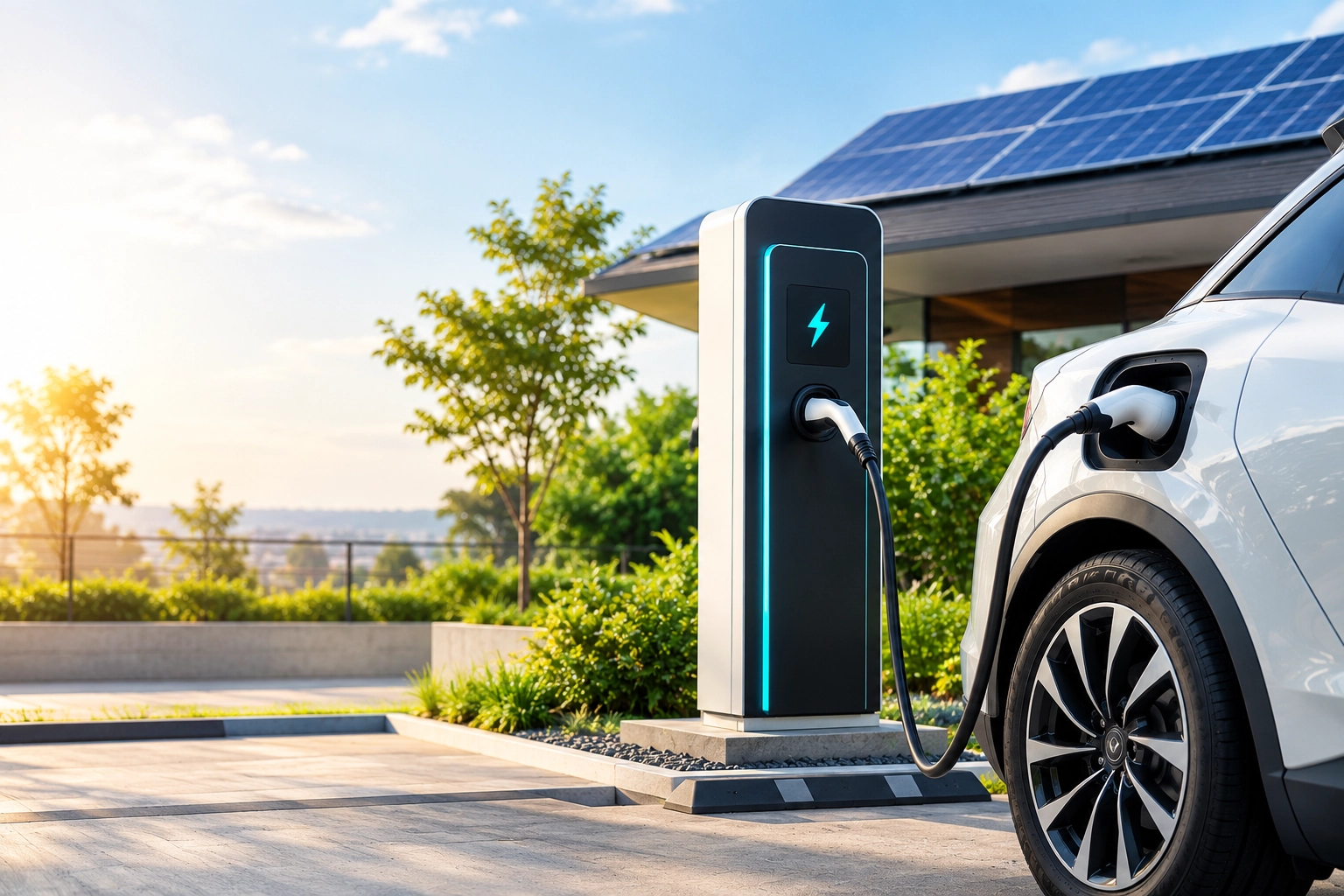
Solar energy is another factor worth considering when planning an EV charging installation. Homeowners and businesses with rooftop solar systems may be able to use some of their solar-generated electricity to charge electric vehicles, depending on their system configuration and charging schedule.
For example, a home with solar panels can potentially charge an EV during periods of strong solar generation. This can help make better use of the electricity produced on-site and may reduce reliance on grid electricity.
However, solar integration requires careful planning. The available solar capacity, household electricity consumption, EV charging demand, inverter compatibility, and charging schedule all need to be considered. These factors can also influence the overall EV charging stations cost, particularly when additional electrical work or system upgrades are required.
Some systems may also benefit from smart energy management, which helps coordinate electricity use between household appliances, solar generation, and vehicle charging.
Although adding solar integration may increase the initial project cost, it can provide additional energy flexibility over time. The actual financial benefit depends on electricity tariffs, solar generation, vehicle usage, and the system's operating conditions.
7. Maintenance and Long-Term Operating Expenses
When evaluating a charging installation, it is important to look beyond the purchase price. Electricity consumption, routine inspections, software services, repairs, and equipment replacement may contribute to the overall cost of ownership.
Public and commercial charging stations may also require regular cleaning, performance monitoring, customer support, and maintenance arrangements to keep the equipment operating reliably.
Choosing equipment from a suitable supplier and following the manufacturer's maintenance recommendations can help support consistent performance. It is also useful to check the warranty terms, service availability, and expected maintenance requirements before making a purchase.
Comparing the total cost of ownership rather than focusing only on the initial price can help you make a more informed decision.
How to Choose the Right EV Charging Solution
Before installing a charging station, consider these important questions:
Will the charger be used at home, in an apartment, or at a commercial location?
How many vehicles need to be charged regularly?
What charging speed and power capacity are required?
Does the property need electrical upgrades?
Can rooftop solar power be integrated into the system?
What warranty, maintenance, and after-sales support are available?
Answering these questions can help you narrow down suitable options and avoid spending money on equipment that does not match your actual requirements.
It is also advisable to compare quotations based on the complete installation scope, including equipment, wiring, electrical protection, labour, and any additional site work.
Conclusion
Installing an EV charging station is an important step towards convenient electric vehicle ownership and more flexible energy management. However, the total investment depends on much more than the price of the charger itself.
By considering charger type, power capacity, installation conditions, electrical infrastructure, safety equipment, solar integration, and ongoing maintenance, homeowners and businesses can make better-informed decisions.
At Allsun Nature, we believe that effective energy solutions begin with understanding each property's needs. Whether you are exploring EV charging alongside rooftop solar or planning a dedicated charging facility, careful planning can help you choose a practical solution for your energy requirements.
Planning an EV charging or solar energy project?
Contact Allsun Nature to explore suitable energy solutions for your home or business and take the next step towards a more energy-efficient future.
Frequently Asked Questions
Recent Blogs
Home Solar Installation: How to Maintain Your System for Long-Term Performance
Oct 21, 2026
Solar Companies: What Homeowners Should Know Before Going Solar
Oct 17, 2026
Can a Home Solar Panel System Reduce Your Electricity Bill to Zero?
Oct 15, 2026
Can You Upgrade an Existing On-Grid Solar System to a Hybrid System?
Oct 14, 2026
Does Roof Direction Affect Solar Panel Performance?
Oct 13, 2026
Best Solar Panels for Small Rooftops: How to Maximise Solar Power
Oct 12, 2026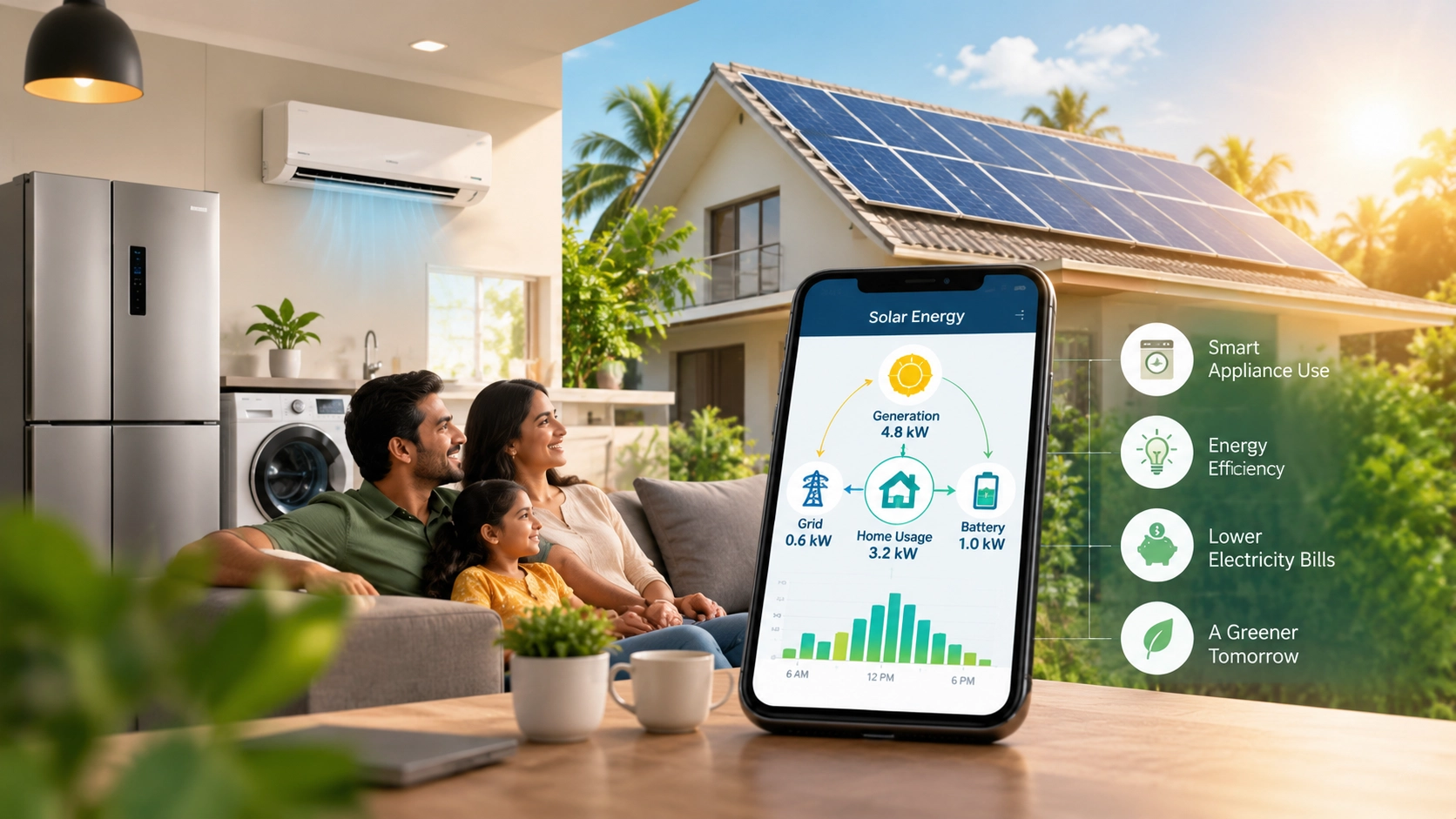
Solar Energy for Home: How Everyday Appliance Habits Influence Solar Savings
Oct 10, 2026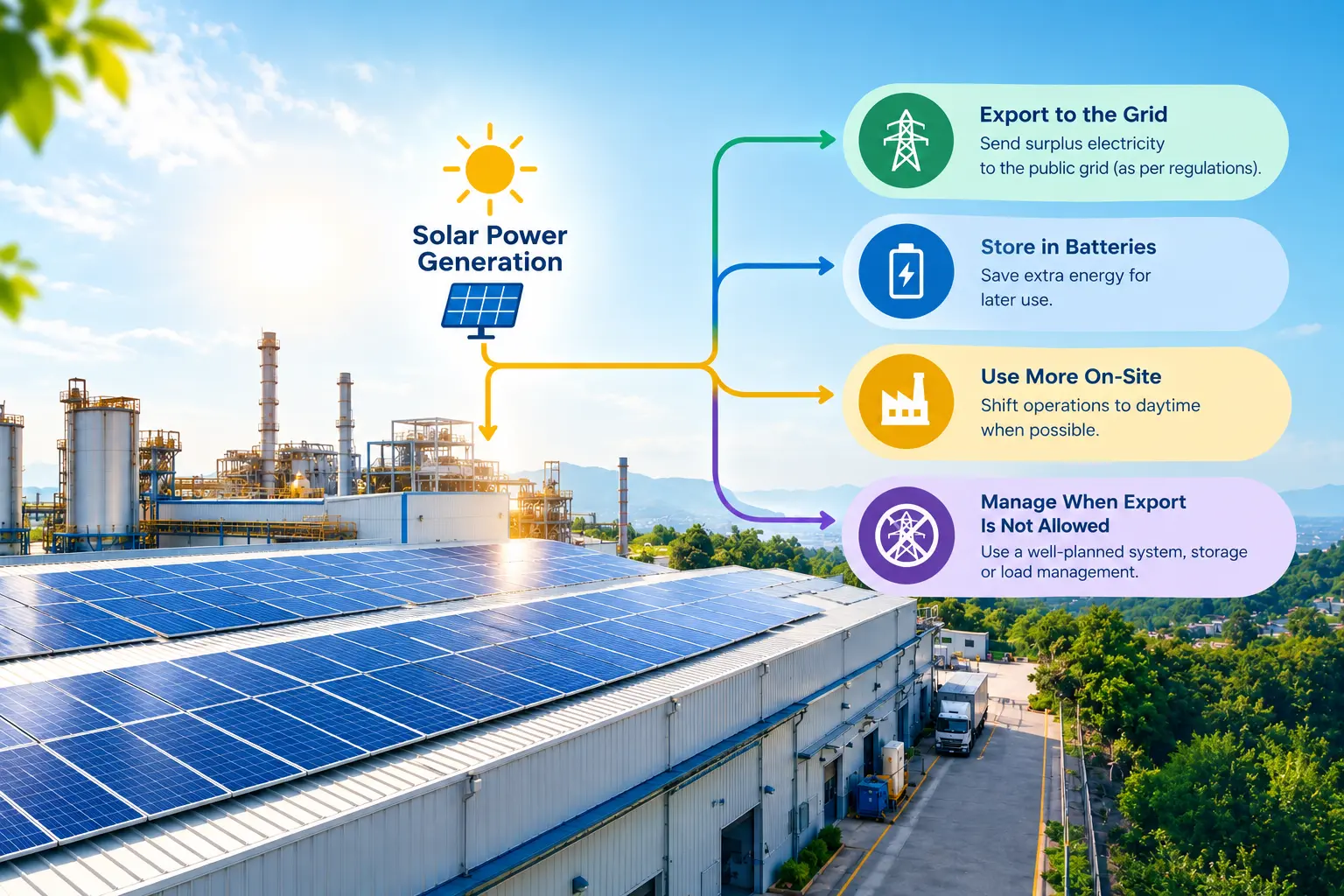
What Happens to Excess Solar Power Generated by an Industrial Solar System?
Oct 09, 2026
Can an Off-Grid Solar System Power Your Entire Home?
Oct 08, 2026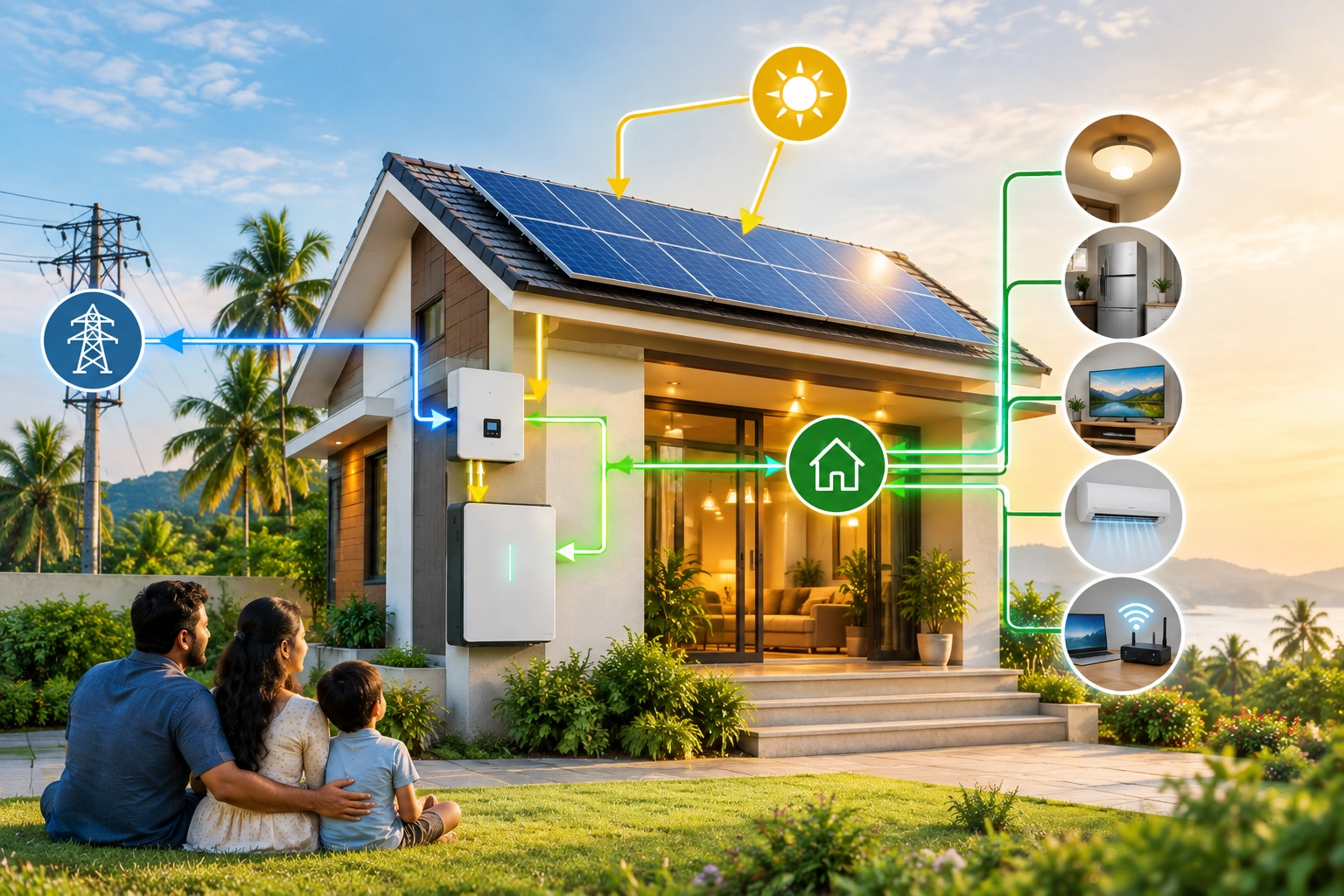
Is a Hybrid Solar System Worth the Investment in Kerala?
Oct 07, 2026Switch to Solar Today!
Save up to 90% on electricity bills with Allsun Nature's customized rooftop solar solutions.
Get Free Quote