
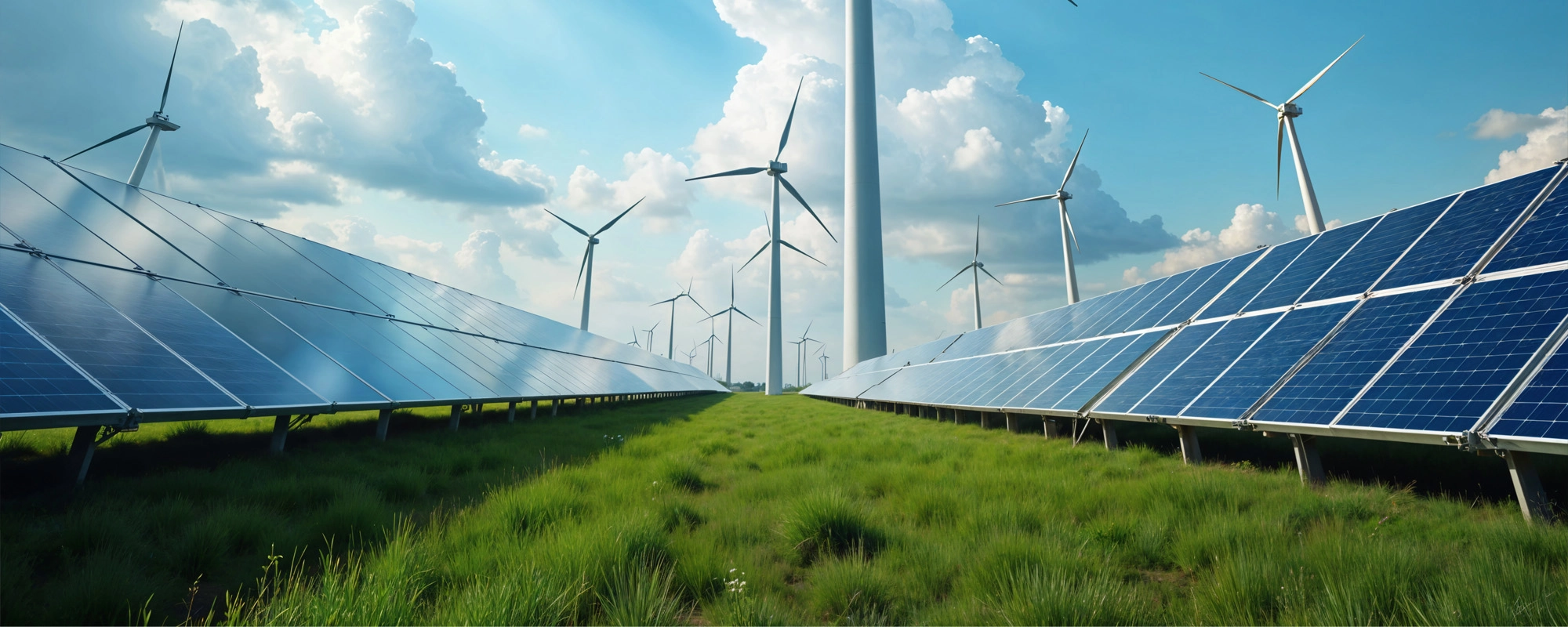
Electricity is a major operating expense for factories, warehouses, hospitals, hotels, shopping centres, and other commercial establishments. As energy demand grows, businesses are looking for practical ways to manage power costs without interrupting daily operations. Solar energy allows organisations to generate electricity on-site, reduce dependence on grid power, and support more sustainable business practices.
With suitable rooftops and sunlight, Industrial Solar Panels can help Kerala businesses make better use of available space while managing long-term energy expenses. However, choosing a system requires more than comparing prices. Businesses should understand their electricity usage, roof condition, operating hours, and technical requirements before investing.
Why Is Solar Energy Relevant for Kerala Industries?
Kerala has a wide range of manufacturing units, food-processing facilities, textile businesses, cold storage facilities, and commercial buildings. Many have large rooftops that may be suitable for solar generation.
A rooftop system converts sunlight into electricity for use within the premises. This can be particularly useful for businesses that operate during daylight hours. Instead of purchasing all their electricity from the grid, they can consume the power generated on-site and reduce the amount they need to import.
The actual benefit depends on system capacity, weather, shading, roof orientation, equipment quality, and the building's consumption pattern. A site assessment helps establish whether Industrial Solar Panels are suitable for a particular property.
1. Reduce Monthly Electricity Expenses
Factories and commercial buildings use electricity for machinery, lighting, air conditioning, pumps, refrigeration, and other equipment. When these loads operate for several hours each day, energy costs can become a significant part of the monthly budget.
A rooftop solar system can supply a portion of daytime demand. The electricity generated is used by the facility first, reducing the amount of power drawn from the grid. Savings depend on solar generation and how much of it the business consumes directly.
For example, a manufacturing unit with daytime production may use a large share of its solar generation during working hours. A facility operating mainly at night may need a different design or battery storage. Reviewing electricity bills and consumption patterns is an important first step when evaluating Industrial Solar Panels.
2. Make Better Use of Rooftop Space
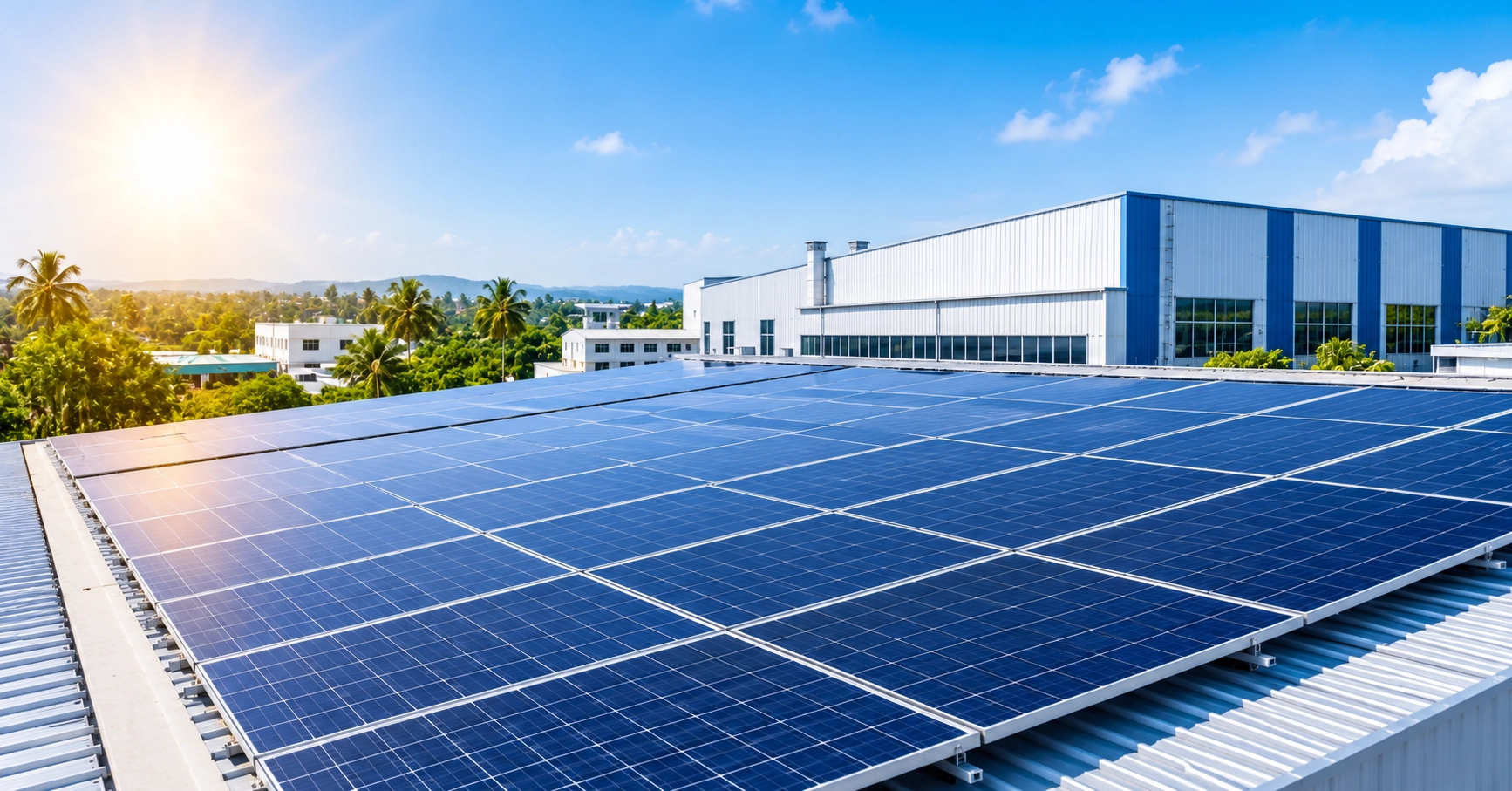
Factories, warehouses, and commercial buildings often have extensive roof areas. Subject to structural strength, access, shading, and safety requirements, this space can generate electricity without requiring additional land.
Before installation, a technical team should inspect the roof material, age, load-bearing capacity, drainage, and usable area. Water tanks, ventilation equipment, skylights, nearby buildings, and trees may reduce the available space or cause shading.
A structural assessment is especially important for large projects. If repairs or reinforcement are needed, identify them before work begins. This helps avoid unexpected costs and supports a safer installation of Industrial Solar Panels.
3. Support Long-Term Business Planning
Electricity costs influence business budgets and operating decisions. Generating part of the required power on-site can provide greater control over a portion of energy expenses.
The financial value of a solar project should be assessed over its expected operating life, not only by its initial price. Compare the project cost with estimated annual generation, self-consumption, applicable electricity charges, maintenance expenses, financing costs, and relevant grid settlement arrangements.
Ask for an estimate based on the facility's actual electricity bills. Avoid relying on guaranteed savings or payback periods without checking the assumptions behind them. A realistic assessment will show how Industrial Solar Panels may fit into the business's long-term energy plan.
4. Improve Environmental Performance
Using solar electricity can reduce the amount of grid electricity a business needs to consume. This can contribute to lower operational emissions, depending on the electricity source being replaced and the system's overall lifecycle.
For manufacturers and commercial organisations, environmental performance is an increasingly important part of responsible business planning. Adopting renewable energy can support sustainability goals and demonstrate a practical commitment to efficient resource use.
5. Choose a System That Matches Your Electricity Demand
A textile unit, food-processing plant, hospital, office building, and cold storage facility may all have different load patterns. The system should be designed around actual demand rather than simply installing the largest capacity that fits on the roof.
A site assessment should consider:
Recent electricity bills and monthly consumption
Daytime and night-time operating schedules
Connected load and contract demand
Roof area, orientation, shading, and structural condition
Grid connection and applicable approval requirements
Whether battery storage or backup power is necessary
Depending on these details, an on-grid, hybrid, or other suitable arrangement may be considered. Batteries can supply selected loads when designed correctly, but they add cost and need careful sizing. The right capacity for Industrial Solar Panels should align with the property's demand and applicable regulations.
6. Check Installation Quality and Equipment
The performance of a solar project depends on more than the panels. Inverters, mounting structures, cables, protection devices, earthing, monitoring systems, and workmanship all contribute to safe and reliable operation.
During Solar Panel Installation, ask for equipment specifications, warranties, system design, safety provisions, monitoring facilities, and after-sales support. The installer should explain expected generation and how performance will be tracked.
When comparing Solar Companies, do not decide only on the lowest quotation. Check experience with commercial projects, technical capabilities, product documentation, project references, and service arrangements. A detailed proposal makes it easier to compare the actual scope of work.
7. Plan for Maintenance and Monitoring
Solar systems generally need less routine maintenance than many conventional power-generation systems, but they should not be ignored after installation. Dust, bird droppings, leaves, moisture, damaged cables, and equipment faults can affect performance.
A maintenance plan should include safe panel cleaning when required, visual inspections, inverter checks, electrical safety assessments, and generation monitoring. Businesses should compare actual output with expected performance while accounting for weather and seasonal changes.
For larger facilities, monitoring data can help identify unexpected drops in generation and support timely maintenance. Keeping warranties, installation documents, inspection reports, and service records also makes long-term management easier.
What Should Businesses Check Before Investing?
Before proceeding, request a site survey and a proposal explaining system capacity, estimated generation, project cost, equipment details, installation timeline, warranty coverage, and maintenance support.
Businesses should confirm the latest requirements with the relevant electricity distribution licensee and regulatory authorities. Kerala's solar rooftop process and renewable energy regulations provide the framework for grid-connected projects. Eligibility, capacity limits, metering arrangements, and settlement terms may depend on the consumer category and current rules. Check the latest information through the official KSEB Solar Rooftop Portal rather than assuming the same arrangement applies to every property.
A reliable project partner should explain these details clearly. Businesses researching Solar Companies can ask for references from comparable installations. If you are evaluating the best solar company in kerala, consider technical experience, transparent costing, safety standards, documentation, and dependable support after commissioning.
Is Solar a Practical Investment for Your Business?
For many factories and commercial establishments, solar energy can help manage daytime electricity demand, make productive use of rooftop space, and support long-term sustainability goals. The benefits are strongest when the system is designed around the property's real consumption pattern and installed with suitable equipment and safety measures.
A professional assessment can help determine whether Industrial Solar Panels fit your building, what capacity may be appropriate, and how the project could perform under local conditions. It can also identify roof repairs, electrical upgrades, approvals, or storage needs before work starts.
At Allsun Nature, every project should begin with understanding the customer's energy requirements. From site evaluation and system planning to Solar Panel Installation and ongoing support, the focus is on a solution that meets the property's needs and supports reliable performance.
If your factory or commercial building in Kerala is exploring solar energy, contact Allsun Nature to discuss your requirements and take the next step towards a more energy efficient operation.
Frequently Asked Questions
Recent Blogs
Solar Panel For Home: A Complete Rooftop Solar Guide for Homeowners
Oct 31, 2026
Solar Panel in Kerala: Cost, Benefits, and Installation Guide
Oct 30, 2026
Can Solar Panels Handle Kerala’s Heavy Monsoon Season?
Oct 29, 2026
Solar System in Kozhikode: Can Solar Panels Power Air Conditioners and Other Heavy Appliances?
Oct 28, 2026
How to Read Solar Monitoring Data and Understand Your System's Performance
Oct 27, 2026
Off Grid Solar System with Battery Backup: Everything Homeowners Should Know
Oct 26, 2026
Solar Panel Distributors: Understanding Quality, Pricing, and Product Reliability
Oct 24, 2026
Solar Panels for Houses: Can an Older Home Support a Rooftop Solar System?
Oct 23, 2026
EV Charging Stations Cost: What Factors Affect the Total Price?
Oct 22, 2026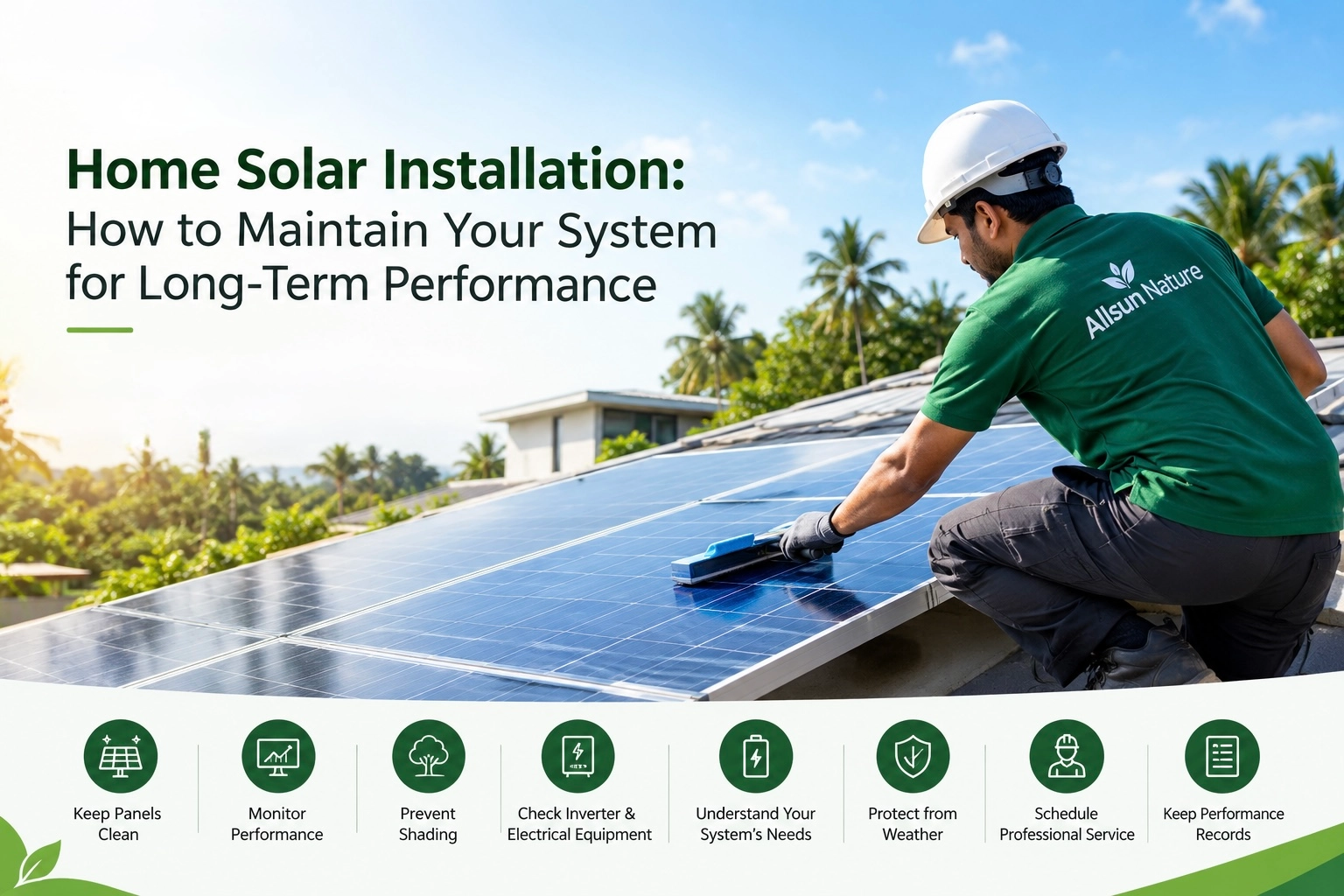
Home Solar Installation: How to Maintain Your System for Long-Term Performance
Oct 21, 2026Switch to Solar Today!
Save up to 90% on electricity bills with Allsun Nature's customized rooftop solar solutions.
Get Free Quote