
Installing a solar power system is an important step towards reducing dependence on conventional electricity and making better use of renewable energy. However, installation is only the beginning. Understanding how your system performs over time can help you identify unusual changes, monitor electricity generation, and make informed decisions about energy consumption.
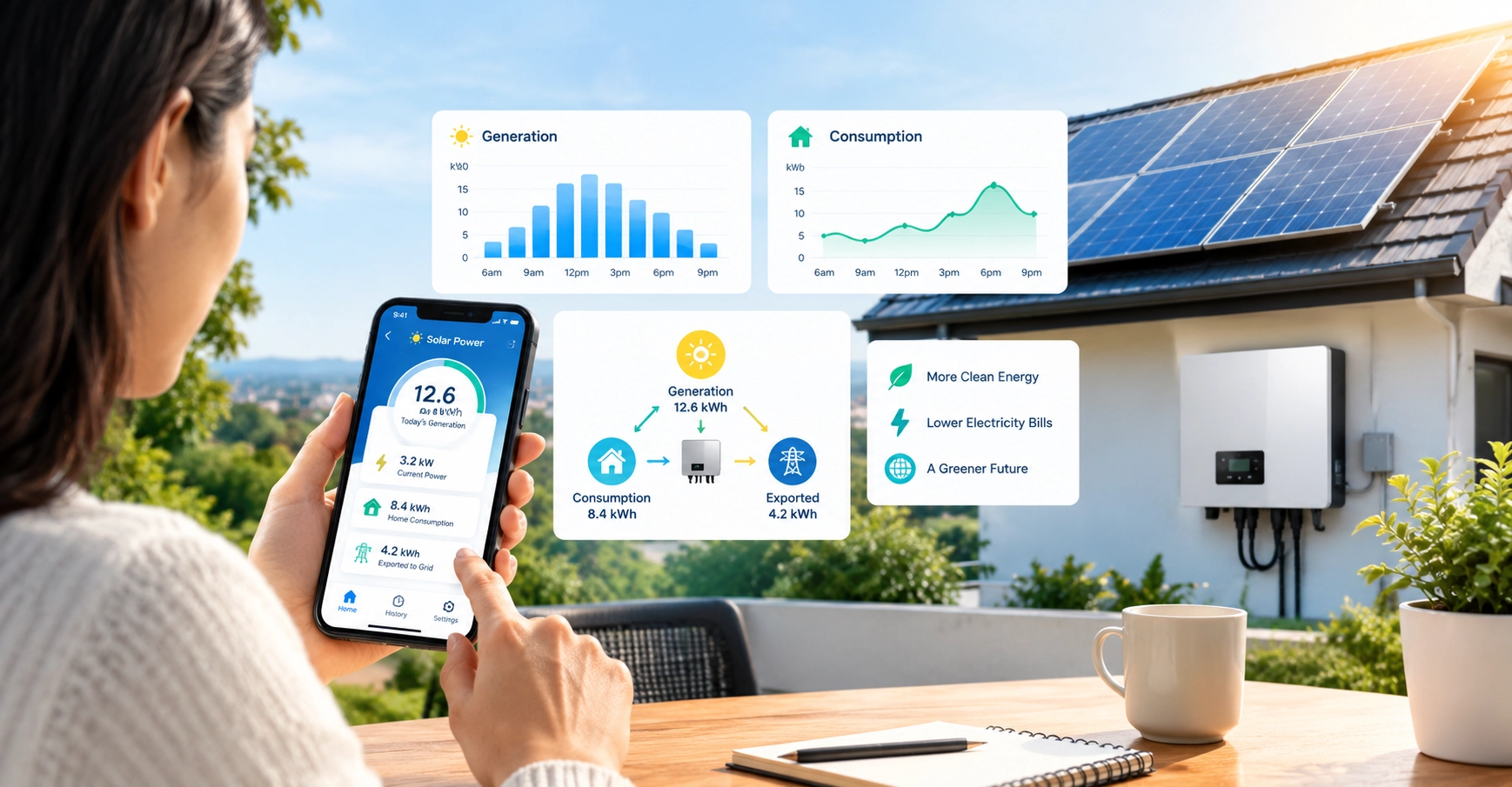
Modern solar systems often include monitoring features that allow homeowners and businesses to track energy production through a mobile application, online dashboard, or inverter display. These tools provide valuable information about how much electricity your panels generate and whether your system is operating as expected.
Learning how to interpret this information does not require advanced technical knowledge. By understanding a few important readings, you can gain a clearer picture of your solar system's performance.
1. Understand Your Solar Energy Generation
The first figure to check on a solar monitoring dashboard is energy generation. This indicates how much electricity your solar panels have produced during a particular period.
Energy generation is commonly measured in kilowatt-hours (kWh). For example, if your system generates 12 kWh during a day, it has produced 12 units of electricity.
Most monitoring platforms allow you to view generation over different periods, including hourly, daily, monthly, and yearly summaries. These views help you understand variations in output and recognise longer-term patterns.
However, daily production can change because of sunlight availability, cloud cover, shading, panel orientation, and seasonal conditions. A lower reading on a cloudy day does not automatically indicate a technical problem.
Instead of judging performance based on a single day's output, compare similar periods and look for consistent changes that may require further investigation.
2. Learn the Difference Between kW and kWh
Two measurements frequently appear on solar monitoring dashboards: kilowatts (kW) and kilowatt-hours (kWh). Although they sound similar, they describe different things.
Kilowatts measure power, which represents the rate at which electricity is being generated or consumed at a particular moment. Kilowatt-hours measure energy, or the amount of electricity generated or used over time.
For example, a monitoring application might show that your solar system is generating 3 kW at noon. Later, the dashboard may report that the system produced 15 kWh throughout the day.
Understanding this distinction makes it easier to interpret monitoring graphs, compare daily production, and understand how solar electricity contributes to your property's energy requirements.
It also helps when discussing system performance with an installer or technical support professional.
3. Check Your System's Performance Patterns
Solar generation generally increases after sunrise, reaches higher levels during suitable midday conditions, and decreases towards sunset. Your monitoring dashboard may represent this pattern as a daily production curve.
A smooth curve often reflects changing sunlight throughout the day. However, cloud cover can cause temporary drops, while shading from nearby trees or buildings may affect production during particular hours.
When reviewing the graph, consider whether the pattern is consistent with your location, weather conditions, and system design.
If production repeatedly drops at the same time every day, investigate whether a tree, building, or other obstruction could be affecting sunlight. If generation suddenly falls without an obvious environmental reason, professional inspection may be appropriate.
Monitoring patterns over several days provides more useful information than reacting to individual fluctuations.
4. Compare Solar Generation with Electricity Consumption
Generating electricity is only one part of understanding your system's performance. It is equally important to know how much electricity your home or business consumes.
A solar monitoring platform may display generation alone, while some systems also provide consumption information through additional meters or compatible monitoring equipment.
When both readings are available, you can understand how much electricity is being produced, how much is being used, and how much surplus energy may be available for export or battery charging.
For example, a household that operates washing machines, water pumps, and other appliances during daylight hours may use more of its solar electricity directly. Another household that consumes most of its electricity at night may have different energy requirements.
This information can help you adjust appliance usage and make better use of available solar generation.
Homeowners planning a solar panel for home installation can also use consumption data from their electricity bills to estimate their requirements and discuss a suitable system size with a qualified installer.
5. Understand Inverter Status and System Alerts
The inverter converts the direct current generated by solar panels into alternating current suitable for household or commercial use. It also plays an important role in system monitoring.
Many inverters display operating status, current power output, energy generation, and diagnostic messages. Depending on the equipment, the monitoring platform may indicate whether the system is operating normally, temporarily disconnected, or experiencing a fault.
Occasional communication interruptions may prevent monitoring data from updating even when the system itself is generating electricity. Therefore, a missing reading should not immediately be interpreted as a complete system failure.
Check the inverter's status indicator, review any displayed error messages, and consult the manufacturer's instructions. Avoid opening electrical equipment or attempting repairs yourself.
If an alert persists or the system shows an unexpected loss of generation, contact a qualified solar technician for assessment.
6. Monitor Performance During Different Seasons
Solar generation changes throughout the year because sunlight hours, weather conditions, and environmental factors vary by season.
In Kerala, cloudy skies and heavy monsoon rainfall can reduce the amount of sunlight reaching solar panels. During clearer weather, the same system may generate more electricity under otherwise suitable conditions.
Monitoring data helps you understand these seasonal differences and establish realistic expectations for your installation.
Rather than comparing a rainy month directly with a sunnier month, review the broader seasonal pattern and consider weather conditions during the comparison.
For systems that have been operating for several years, historical data can help identify unusual performance changes. However, reliable comparisons should also account for changes in shading, equipment condition, system configuration, and electricity consumption.
7. Know When Solar Performance Needs Attention
Monitoring becomes particularly useful when it helps you recognise problems early.
Some warning signs include a sustained reduction in energy generation, repeated inverter alerts, unexpected system shutdowns, or a significant difference between expected and actual output under comparable conditions.
Before assuming that equipment has failed, check the weather, confirm whether the monitoring system is updating correctly, and review any recent changes to the surrounding environment.
Dust accumulation, new shading, damaged components, and electrical faults can affect performance in different ways. Not every issue can be identified through monitoring data alone.
If your system consistently produces less electricity than expected, a professional assessment can help determine the cause.
Businesses comparing equipment or installers should also consider monitoring capabilities when evaluating Solar Panels and Installation options. Clear performance information can make it easier to understand system operation and support ongoing maintenance.
8. Use Monitoring Data to Make Better Solar Decisions
Solar monitoring data becomes more valuable when it informs everyday decisions. Reviewing generation and consumption trends can help you identify suitable times to operate certain appliances, understand seasonal electricity requirements, and evaluate whether your energy usage matches your system's capabilities.
Keep a record of monthly production and note any major changes, such as new shading, equipment upgrades, or prolonged inverter interruptions. These details can help technicians investigate performance issues more efficiently.
When reviewing a solar installation proposal, ask what monitoring features are included, whether historical data is available, and how system alerts are communicated.
Experienced Solar Companies should be able to explain the monitoring options available for a proposed system and clarify what the readings can and cannot tell you about its performance.
For reliable results, monitoring should be considered alongside appropriate installation, regular inspections, and professional technical support.
Conclusion
Understanding solar monitoring data allows homeowners and businesses to take a more informed approach to managing their solar power systems. By checking energy generation, interpreting performance graphs, comparing electricity consumption, and reviewing inverter alerts, you can develop a clearer understanding of how your installation operates.
Remember that weather conditions and seasonal changes naturally influence solar output. Focus on consistent patterns rather than isolated readings, and seek professional assistance when unusual changes persist.
Choosing the best solar company in Kerala also involves looking beyond installation alone. Clear guidance, suitable monitoring facilities, quality equipment, and dependable technical support can help you understand your system and manage it more confidently over the long term.
At Allsun Nature, the goal is to help customers make informed decisions about solar energy and understand the practical considerations involved in solar system performance. Contact Allsun Nature to discuss your solar requirements and explore suitable solutions for your home or business.
Frequently Asked Questions
Recent Blogs

Solar Panel For Home: A Complete Rooftop Solar Guide for Homeowners
Oct 31, 2026
Solar Panel in Kerala: Cost, Benefits, and Installation Guide
Oct 30, 2026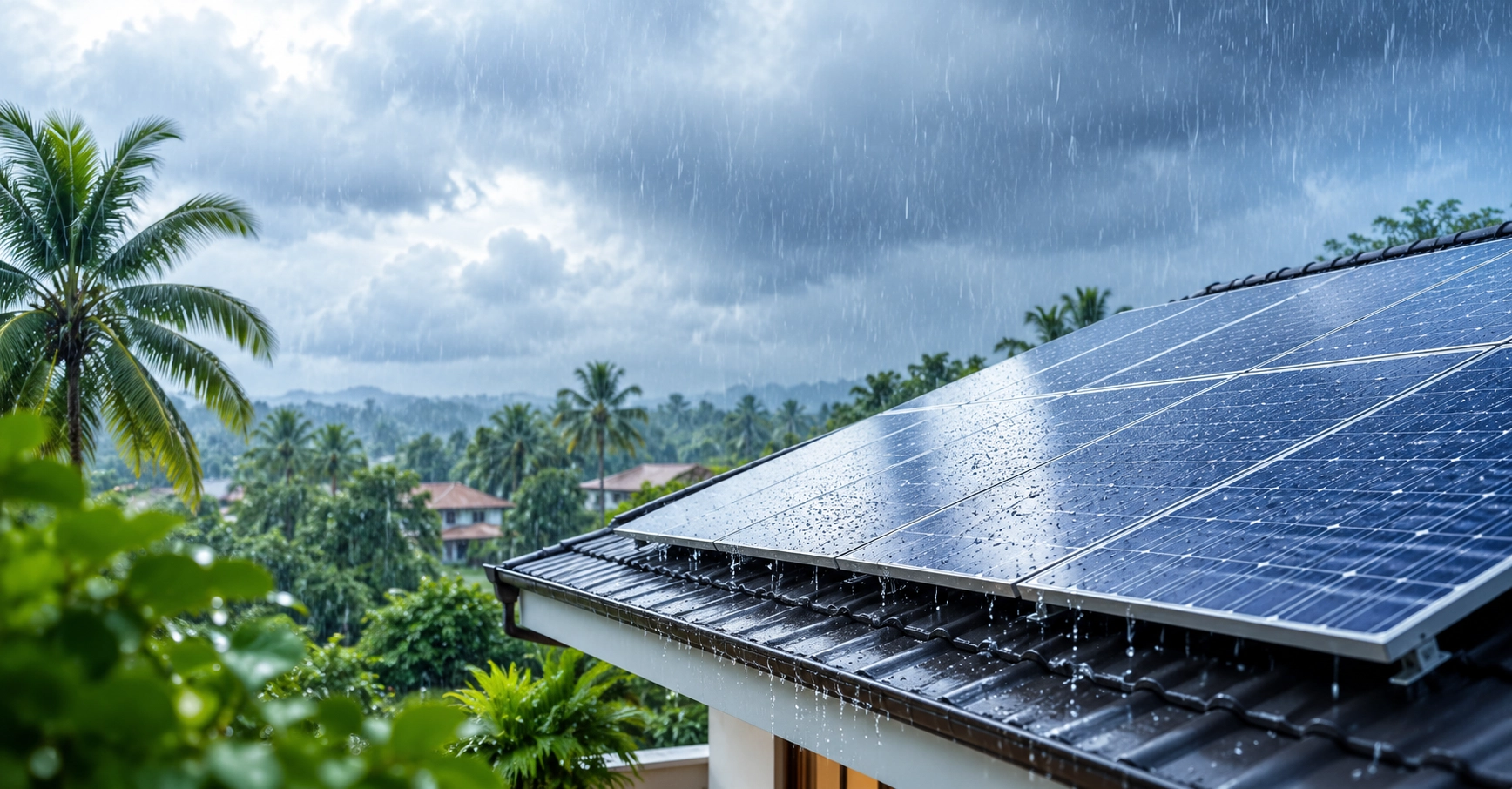
Can Solar Panels Handle Kerala’s Heavy Monsoon Season?
Oct 29, 2026
Solar System in Kozhikode: Can Solar Panels Power Air Conditioners and Other Heavy Appliances?
Oct 28, 2026
Off Grid Solar System with Battery Backup: Everything Homeowners Should Know
Oct 26, 2026
Solar Panel Distributors: Understanding Quality, Pricing, and Product Reliability
Oct 24, 2026
Solar Panels for Houses: Can an Older Home Support a Rooftop Solar System?
Oct 23, 2026
EV Charging Stations Cost: What Factors Affect the Total Price?
Oct 22, 2026
Home Solar Installation: How to Maintain Your System for Long-Term Performance
Oct 21, 2026
Solar Companies: What Homeowners Should Know Before Going Solar
Oct 17, 2026Switch to Solar Today!
Save up to 90% on electricity bills with Allsun Nature's customized rooftop solar solutions.
Get Free Quote