

Industrial facilities often have large electricity requirements for operating machinery, lighting, ventilation, cooling systems, and other equipment. Installing solar power can help businesses meet part of this demand using renewable energy. However, solar panels may sometimes generate more electricity than a factory needs at a particular time.
This raises an important question: what happens to the extra electricity generated by an industrial solar system?
The answer depends on how the system is designed, whether it is connected to the electricity grid, the availability of battery storage, and the applicable electricity regulations. Understanding these options helps businesses plan their solar investment more effectively.
Why Do Industrial Solar Systems Generate Excess Electricity?
Solar power generation changes throughout the day. During sunny hours, a solar system may produce a significant amount of electricity, particularly when panels receive strong sunlight.
However, a factory's electricity consumption does not always follow the same pattern. Some facilities operate continuously, while others have fewer machines running during certain hours. Weekends, maintenance periods, production schedules, and seasonal changes can also affect energy demand.
For example, a manufacturing facility may generate 500 units of solar electricity during a working day but use only 400 units during the same period. The remaining 100 units represent surplus electricity at that point in time.
This is a simplified example. Actual surplus depends on the system's generation, the facility's load profile, and how electricity is measured and settled.
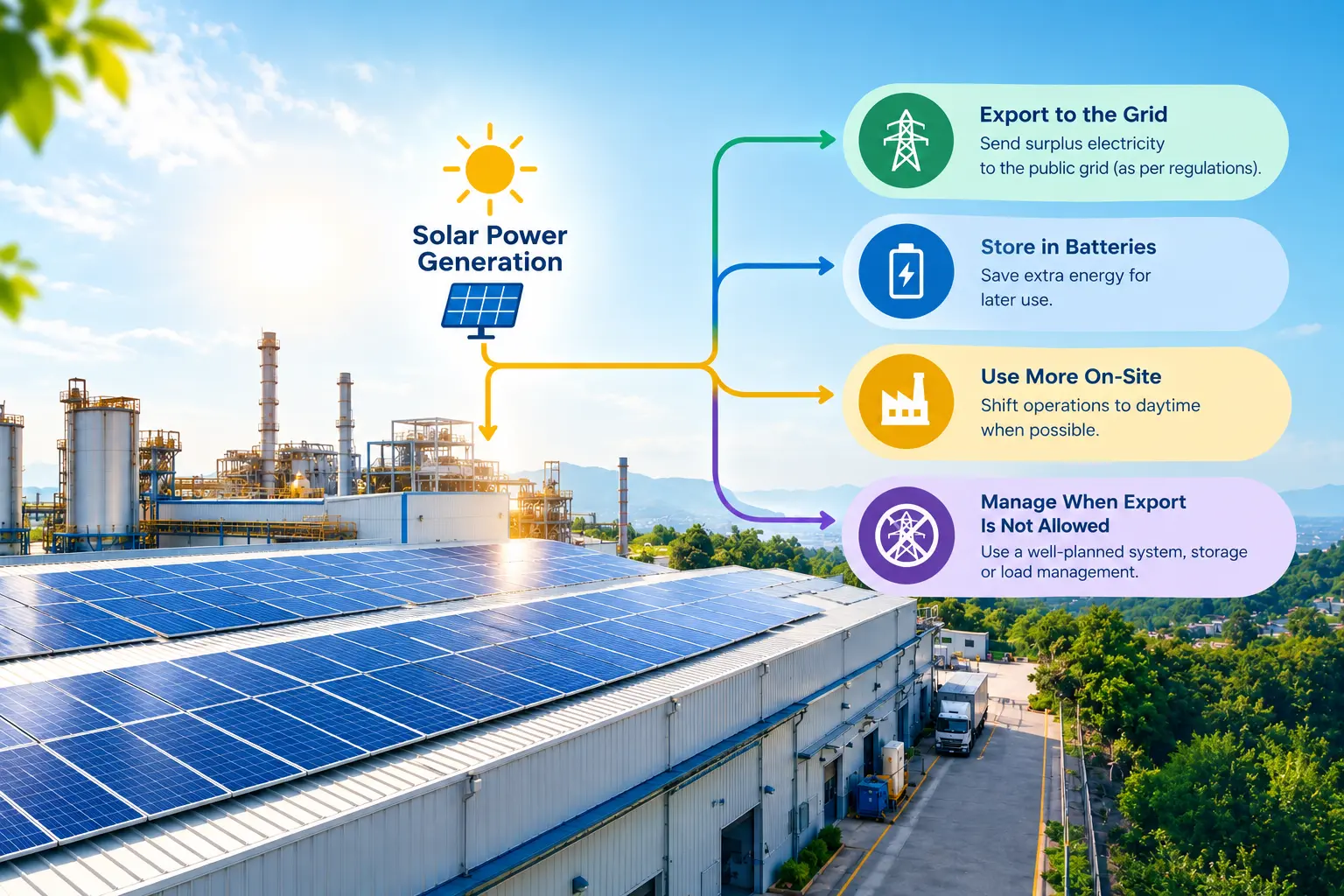
1. Excess Electricity Can Be Exported to the Grid
One option for a suitable grid-connected system is to send surplus electricity to the public electricity grid.
When the solar system generates more power than the facility currently consumes, the excess may flow into the grid through an approved connection and metering arrangement. When solar generation is insufficient, the facility can draw electricity from the grid, subject to its connection and billing terms.
The treatment of exported electricity depends on the arrangement approved for the consumer. Under an eligible net-metering arrangement, imported and exported electricity may be adjusted according to the applicable rules. Under net billing or another approved arrangement, exported electricity may be credited at a specified tariff.
Businesses should not assume that every surplus unit will automatically be purchased at the same rate they pay for electricity. Eligibility, export limits, tariffs, and settlement conditions need to be confirmed with the relevant electricity distribution licensee.
2. Net Metering and Net Billing: What Is the Difference?
Net metering and net billing are two arrangements that can affect how surplus solar electricity is accounted for.
With net metering, imported and exported electricity can be offset against each other according to the approved billing arrangement. This may help eligible businesses make better use of the energy their systems generate.
Net billing generally values electricity imported from the grid and electricity exported to it separately. The value of exported electricity depends on the applicable feed-in tariff and regulations.
The exact arrangement available to an industrial consumer depends on the system capacity, consumer category, connection conditions, and current regulatory provisions.
Businesses considering industrial solar panels should review these conditions before deciding how much capacity to install. A system designed around actual electricity consumption and the approved export arrangement can provide a more practical long-term solution.
3. Battery Storage Can Help Use Surplus Solar Power Later
Another option is to store excess solar electricity in a battery energy storage system.
Instead of sending all surplus power to the grid, a suitable system can store some of the energy generated during sunny hours. The stored electricity can then be used when solar generation falls or when the facility needs additional power.
For example, a factory that generates more electricity during the afternoon may use stored energy later in the day, depending on its battery capacity and operating requirements.
Battery storage can be useful for facilities with changing demand patterns or a need for backup power. However, batteries involve additional investment, conversion losses, maintenance requirements, and replacement considerations.
They are not automatically the best choice for every industrial facility. Businesses should compare the cost of storage with the potential value of using surplus electricity later.
4. Use More Solar Electricity During Working Hours
Sometimes, the most practical way to reduce surplus generation is to align electricity consumption with solar production.
Businesses can review whether certain energy-intensive activities can be scheduled during daylight hours. Depending on the production process, this might include operating selected machinery, running water pumps, charging electric equipment, or carrying out non-urgent energy-intensive tasks.
For facilities with flexible operations, this approach can increase the proportion of solar electricity consumed directly on-site.
However, production schedules and equipment safety should always take priority. Energy use should only be adjusted where it makes operational and financial sense.
A professional energy assessment can help identify when electricity is generated, when it is consumed, and whether changes to operating schedules could improve solar utilisation.
5. What Happens When Excess Electricity Cannot Be Exported?
Not every industrial solar system can export surplus electricity under every operating condition. Some installations may have export restrictions, while others may require specific approvals or metering arrangements.
If export is not permitted or is limited, the system may need to be designed to match the facility's electricity demand more closely. An approved export-limiting controller may also be considered where appropriate.
Battery storage or changes to daytime energy use may provide additional options, depending on the facility's needs.
This is why businesses should clarify grid-connection requirements before installation rather than assuming that all excess generation can be sent to the grid.
6. Why Proper System Planning Matters
The best way to manage surplus electricity is to consider it during the initial planning stage.
Before proceeding with Solar Panels and Installation, businesses should review their electricity bills, demand patterns, sanctioned load or contract demand, available roof or ground space, and expected solar generation.
The design should also consider seasonal weather conditions, future production expansion, inverter capacity, safety requirements, and the applicable grid-connection rules.
Experienced Solar Companies can help assess these factors and explain the available options. However, businesses should ask for clear calculations showing expected generation, estimated on-site consumption, possible exports, and the assumptions used in the financial analysis.
A well-planned system should support the facility's real energy requirements rather than simply maximise the number of panels installed.
7. Important Considerations for Businesses in Kerala
Businesses planning solar installation kerala should check the latest requirements with the relevant electricity distribution licensee and regulatory authorities.
Approval procedures, metering arrangements, export permissions, and settlement rules may vary according to the type and capacity of the project and the consumer category. Industrial consumers should verify which arrangement applies to their specific connection before making financial projections.
It is also important to select equipment suitable for the site's conditions and ensure the system is installed, tested, and commissioned according to applicable technical and safety standards.
Working with a qualified installation team can help businesses coordinate system design, approvals, electrical integration, and performance monitoring.
Conclusion
Excess electricity from an industrial solar system does not have to go unused. Depending on the approved arrangement, it may be exported to the grid, stored in batteries, or managed by aligning electricity consumption with solar generation.
The right approach depends on the facility's energy demand, operating schedule, system capacity, investment priorities, and applicable regulations.
Before starting a Solar Panel Installation project, businesses should understand how surplus electricity will be handled and how it affects the expected savings. Careful planning helps create a solar system that supports operational needs while making better use of the available solar energy.
Allsun Nature helps businesses explore solar solutions based on their site conditions and energy requirements. Contact the team to discuss an industrial solar system designed around your facility's needs.
Frequently Asked Questions
Recent Blogs

EV Charging Stations Cost: What Factors Affect the Total Price?
Oct 22, 2026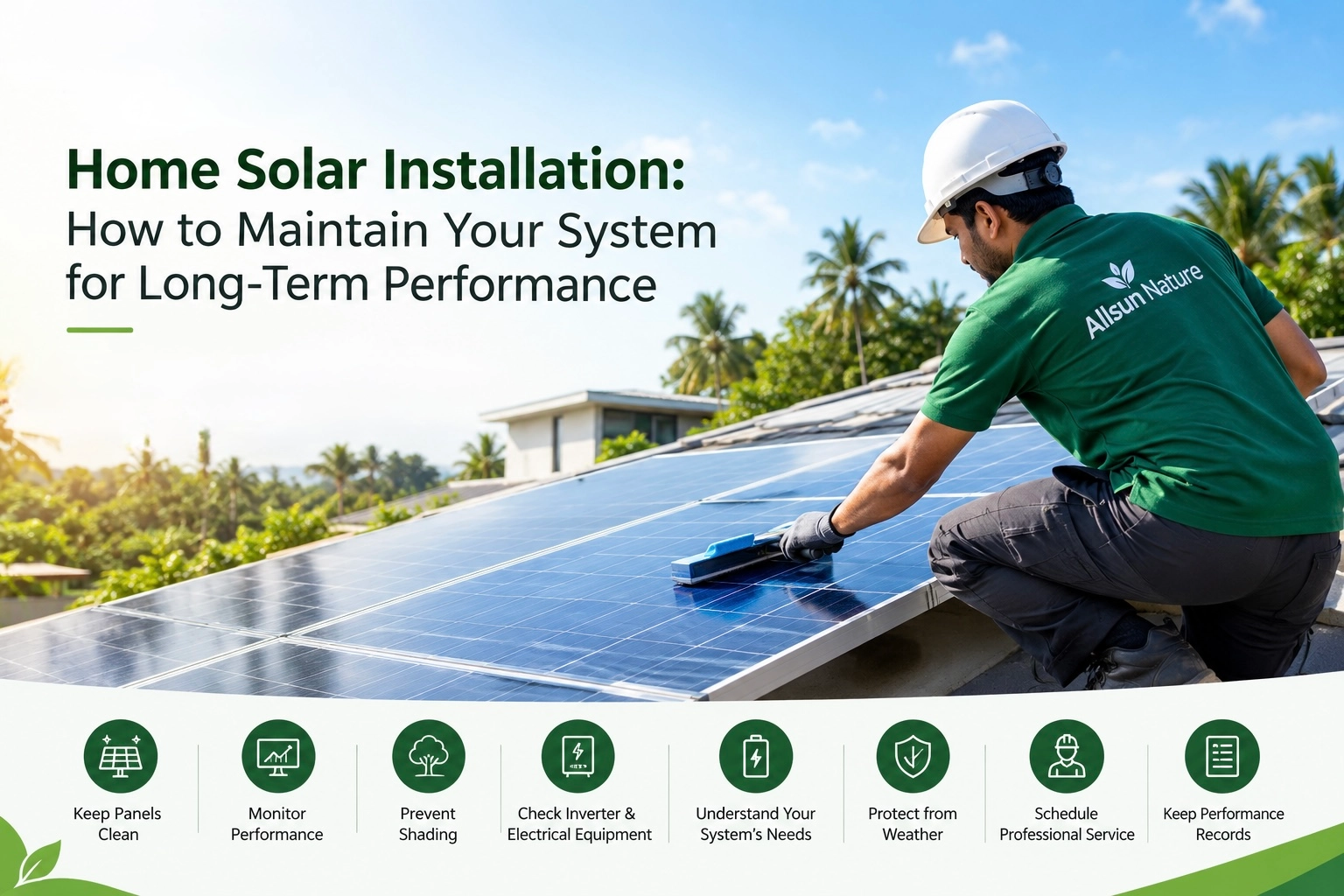
Home Solar Installation: How to Maintain Your System for Long-Term Performance
Oct 21, 2026
Solar Companies: What Homeowners Should Know Before Going Solar
Oct 17, 2026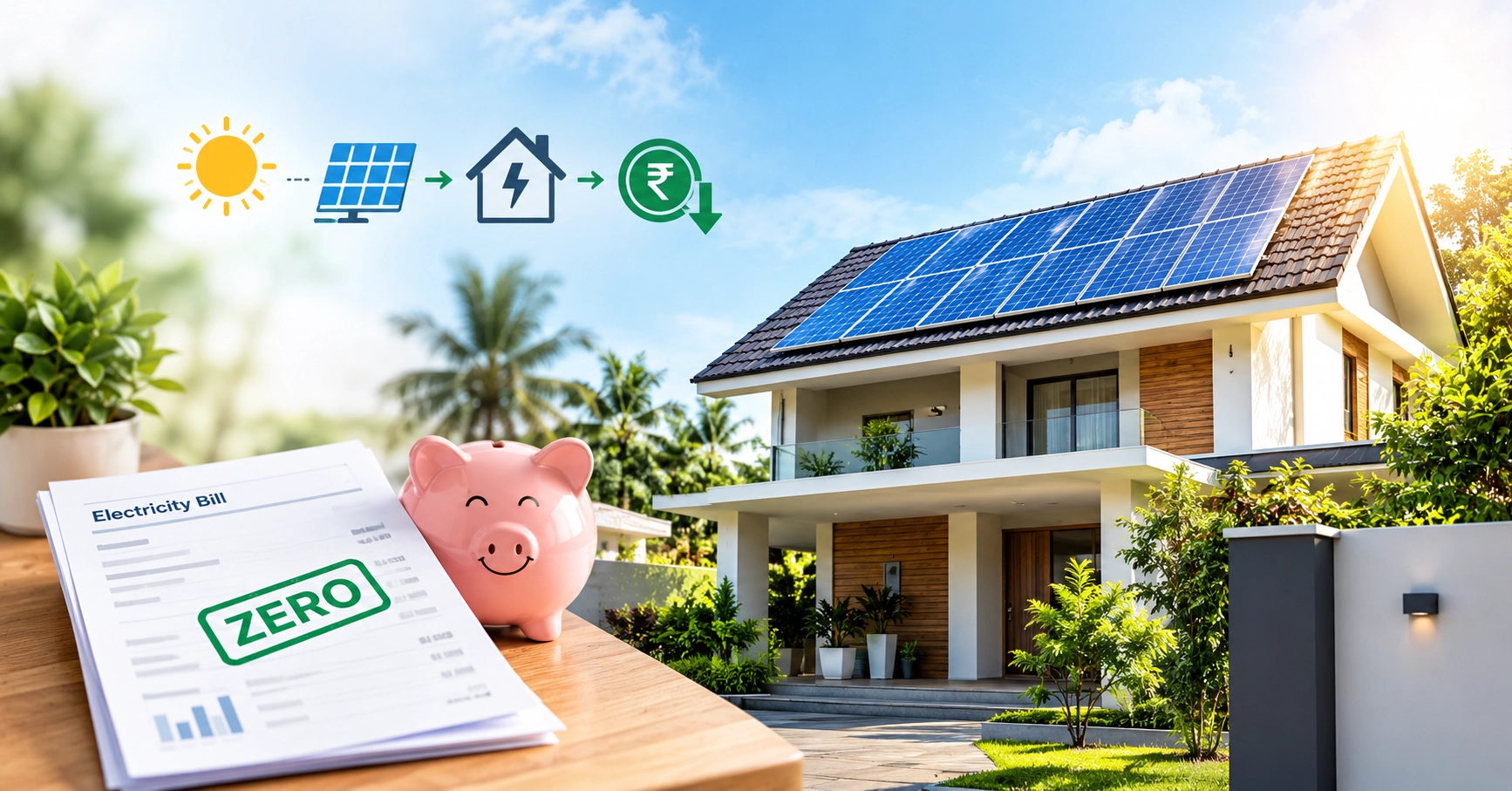
Can a Home Solar Panel System Reduce Your Electricity Bill to Zero?
Oct 15, 2026
Can You Upgrade an Existing On-Grid Solar System to a Hybrid System?
Oct 14, 2026
Does Roof Direction Affect Solar Panel Performance?
Oct 13, 2026
Best Solar Panels for Small Rooftops: How to Maximise Solar Power
Oct 12, 2026
Solar Energy for Home: How Everyday Appliance Habits Influence Solar Savings
Oct 10, 2026
Can an Off-Grid Solar System Power Your Entire Home?
Oct 08, 2026
Is a Hybrid Solar System Worth the Investment in Kerala?
Oct 07, 2026Switch to Solar Today!
Save up to 90% on electricity bills with Allsun Nature's customized rooftop solar solutions.
Get Free Quote