

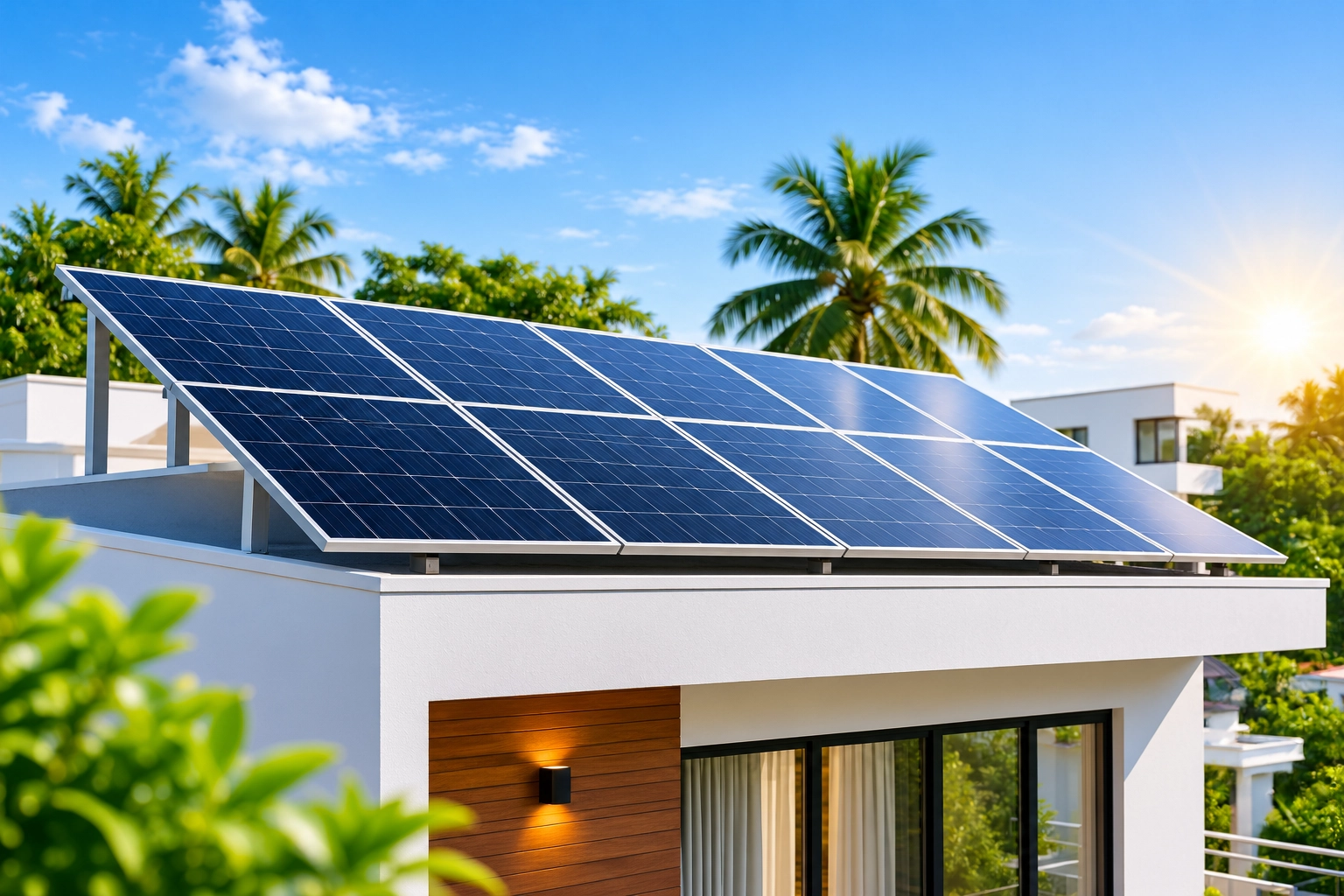
Installing solar panels is a smart way to reduce electricity bills and make better use of renewable energy. However, not every home has a large rooftop for installation. In Kerala, many houses have limited roof space because of building designs, nearby structures, water tanks, and other obstacles. This makes choosing the right solar panels and planning the installation especially important.
The good news is that even a small rooftop can generate useful amounts of electricity when the system is designed properly. By selecting suitable panels, positioning them correctly, and understanding your household's energy requirements, you can make the most of the available space.
1. Choose Solar Panels with Higher Efficiency
When rooftop space is limited, panel efficiency becomes an important factor. High-efficiency solar panels can generate more electricity from a smaller area compared with lower-efficiency panels of similar size, provided other conditions are comparable.
Monocrystalline solar panels are a popular choice for residential rooftops because they generally offer good efficiency and reliable performance. When exploring the Best Solar Panels for a small rooftop, consider their efficiency, available power ratings, and suitability for your household's energy needs.
Before purchasing, compare the panel's efficiency, wattage, physical dimensions, product warranty, and performance warranty. A panel with a higher wattage rating is not automatically the best choice if its dimensions do not fit the available roof space.
It is also important to consider the quality of the inverter and other system components. A well-designed solar installation combines suitable panels with compatible equipment to deliver dependable performance over time.
2. Measure Your Rooftop Before Installation
The first step towards maximising solar generation is understanding how much usable roof space you actually have. The total rooftop area does not always represent the area available for solar panels.
Water tanks, staircases, parapet walls, chimneys, and other structures can reduce the usable space. Nearby buildings and trees may also create shadows that affect electricity generation.
A professional rooftop assessment helps identify the most suitable locations for the panels. Installers can evaluate roof dimensions, orientation, structural condition, and possible shading before recommending a system.
For effective Home Solar Installation, careful planning is particularly important when the roof is small. A layout that uses the available area efficiently can help avoid wasted space and unnecessary installation costs.
Homeowners should also leave appropriate access space for maintenance and cleaning. Filling every available corner with panels may not be practical if it makes the system difficult to inspect or maintain.
3. Position Solar Panels for Better Sunlight
Solar panels need adequate sunlight to produce electricity efficiently. Their orientation, tilt angle, and exposure to shadows all influence overall performance.
In Kerala, installers generally assess the roof's direction and local sunlight conditions to determine a suitable panel arrangement. South-facing panels are often considered a useful starting point in the Northern Hemisphere, but the best layout depends on the property's specific conditions.
Shading deserves special attention on small rooftops. Even a limited shadow from a tree, neighbouring building, or rooftop structure can reduce output, depending on the panel configuration and equipment used.
If part of the roof receives shade during certain hours, an installer may recommend a different arrangement, suitable inverter technology, or module-level power electronics where appropriate.
Regularly checking nearby trees and removing avoidable sources of shade can also help maintain solar performance. The objective is not simply to fit more panels but to generate as much useful electricity as possible from the available space.
4. Select the Right Solar System for Your Needs
The ideal solar system depends on your electricity consumption, budget, roof space, and expectations during power cuts. Homeowners should understand the differences between the main system types before making a decision.
An on-grid system connects to the electricity grid and can help reduce the amount of electricity purchased from the utility. Its operation during a grid outage depends on the system design and applicable safety requirements; standard grid-connected systems generally shut down during outages for safety.
A hybrid solar system combines solar generation with battery storage and grid connectivity. Depending on the configuration, it can store surplus electricity for later use and provide backup to selected loads during a power cut. Battery capacity, inverter capability, and the loads being supported must be considered carefully.
An Off Grid Solar System operates independently of the electricity grid. It usually requires suitable battery storage and careful system sizing to support household demand when sunlight is insufficient.
For a small rooftop, the most appropriate option is not necessarily the system with the largest capacity. A correctly sized installation based on actual electricity usage can offer better value than a system that exceeds the roof's practical limits.
5. Understand Your Household Electricity Consumption
Before selecting the number of panels, review your monthly electricity bills and identify the appliances that consume the most power.
Air conditioners, refrigerators, water pumps, washing machines, and electric water heaters can contribute significantly to household consumption. Understanding when these appliances are used can help determine the system capacity and whether battery storage is necessary.
For example, a household that uses most of its electricity during daylight hours may benefit from a well-sized grid-connected system. A family that needs backup power at night may want to evaluate a hybrid setup with suitable battery storage.
Avoid choosing a system based only on the number of panels that fit on your roof. Instead, balance available space, expected energy generation, consumption patterns, and installation costs.
An experienced installer can estimate the expected generation and explain how much of your electricity demand the proposed system may cover.
6. Keep Solar Panels Clean and Well Maintained
Dust, bird droppings, fallen leaves, and other deposits can reduce the amount of sunlight reaching solar cells. Kerala's rainy weather may naturally wash away some dirt, but it does not eliminate the need for periodic inspection and cleaning.
Check the panels regularly for visible dirt, damage, loose cables, or unusual changes in energy generation. Clean them according to the manufacturer's instructions, using suitable methods that avoid damaging the panel surface.
Monitoring the inverter's daily generation data can also help you understand how the system performs under different weather conditions. A sudden, sustained drop in output may indicate shading, equipment problems, or another issue that needs attention.
Professional maintenance can help identify problems early and keep the system operating as intended. Always follow electrical safety precautions and avoid climbing onto roofs without appropriate protection.
7. Compare Installers Before Making a Decision
Choosing suitable equipment is only one part of a successful rooftop solar project. The installation company's technical knowledge, workmanship, component quality, and after-sales support are equally important.
When comparing Solar Companies, ask for a detailed quotation that includes panel specifications, inverter details, mounting structures, installation charges, warranties, and any additional costs. Request an explanation of the proposed system size and the estimated electricity generation.
It is also worth checking the installer's experience with small rooftops. A company familiar with space-constrained installations may be better prepared to plan around shading, roof obstacles, and maintenance requirements.
Homeowners searching for the best solar company in kerala should compare more than just the quoted price. Look for transparent communication, appropriate technical recommendations, reliable support, and compliance with applicable installation standards.
A properly planned system can help you use your rooftop efficiently while avoiding unnecessary expenses and unrealistic expectations about electricity savings.
Conclusion
A small rooftop does not mean you have to miss out on solar energy. High-efficiency panels, careful layout planning, effective shade management, and the right system capacity can help you generate more electricity from limited space.
Start by assessing your roof and understanding your household's energy requirements. Then compare suitable solar technologies, evaluate the quality of the components, and choose an installer who can design a system for your specific property.
With the right planning and regular maintenance, even a compact rooftop can become a valuable source of clean electricity for your home. The key is to focus on efficient design, dependable equipment, and long-term performance rather than simply installing the maximum possible number of panels.
Frequently Asked Questions
Recent Blogs
EV Charging Stations Cost: What Factors Affect the Total Price?
Oct 22, 2026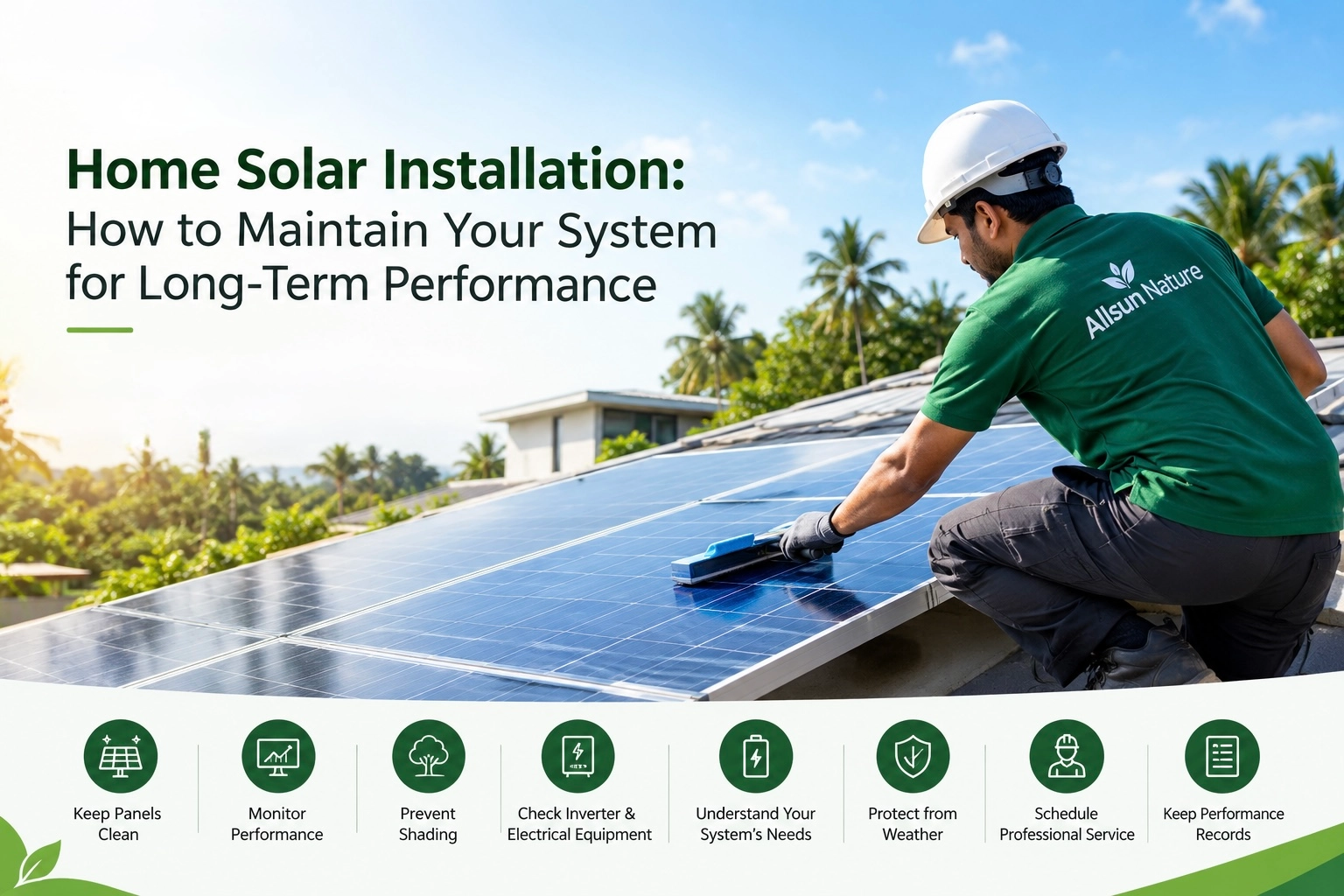
Home Solar Installation: How to Maintain Your System for Long-Term Performance
Oct 21, 2026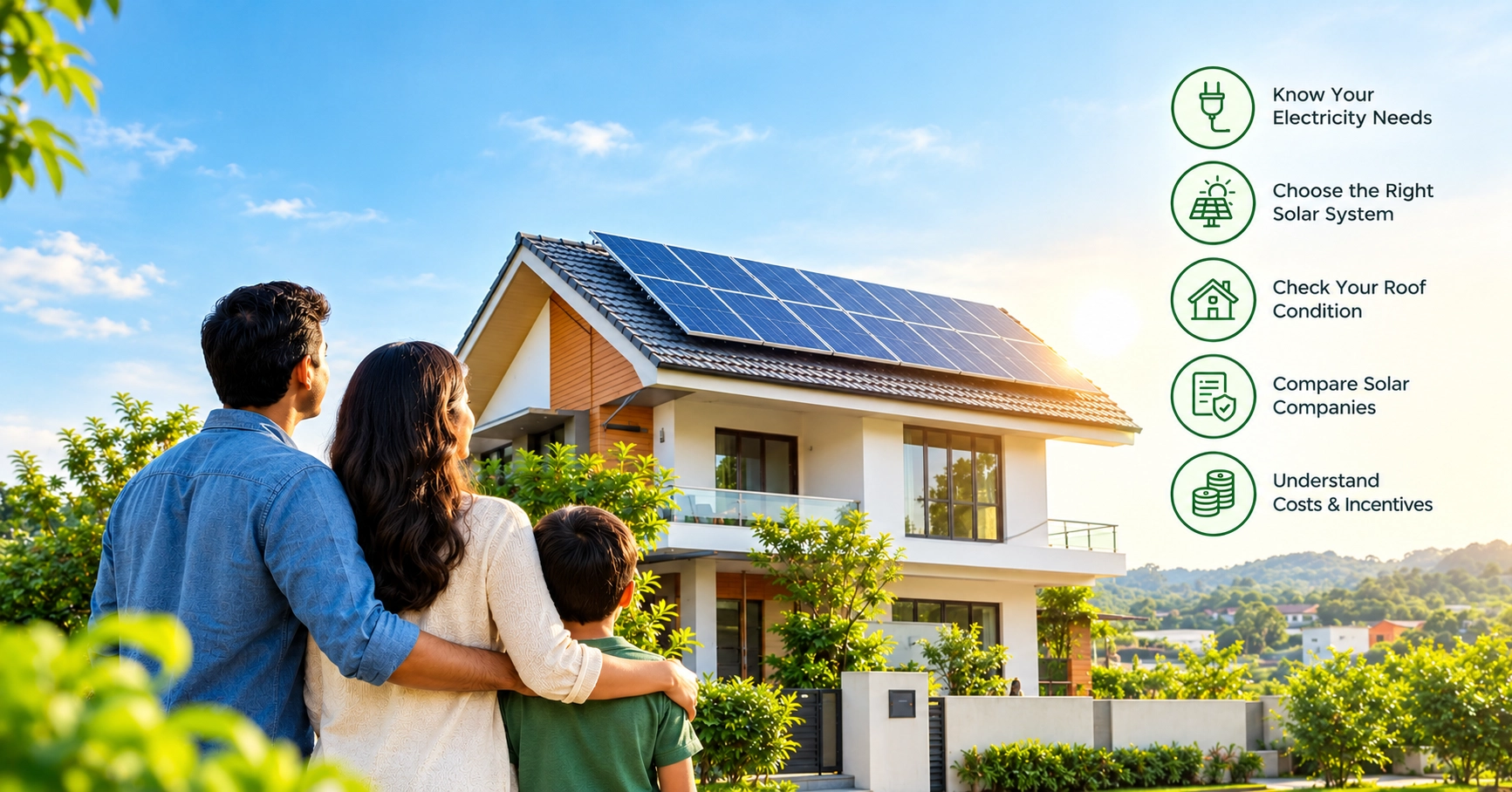
Solar Companies: What Homeowners Should Know Before Going Solar
Oct 17, 2026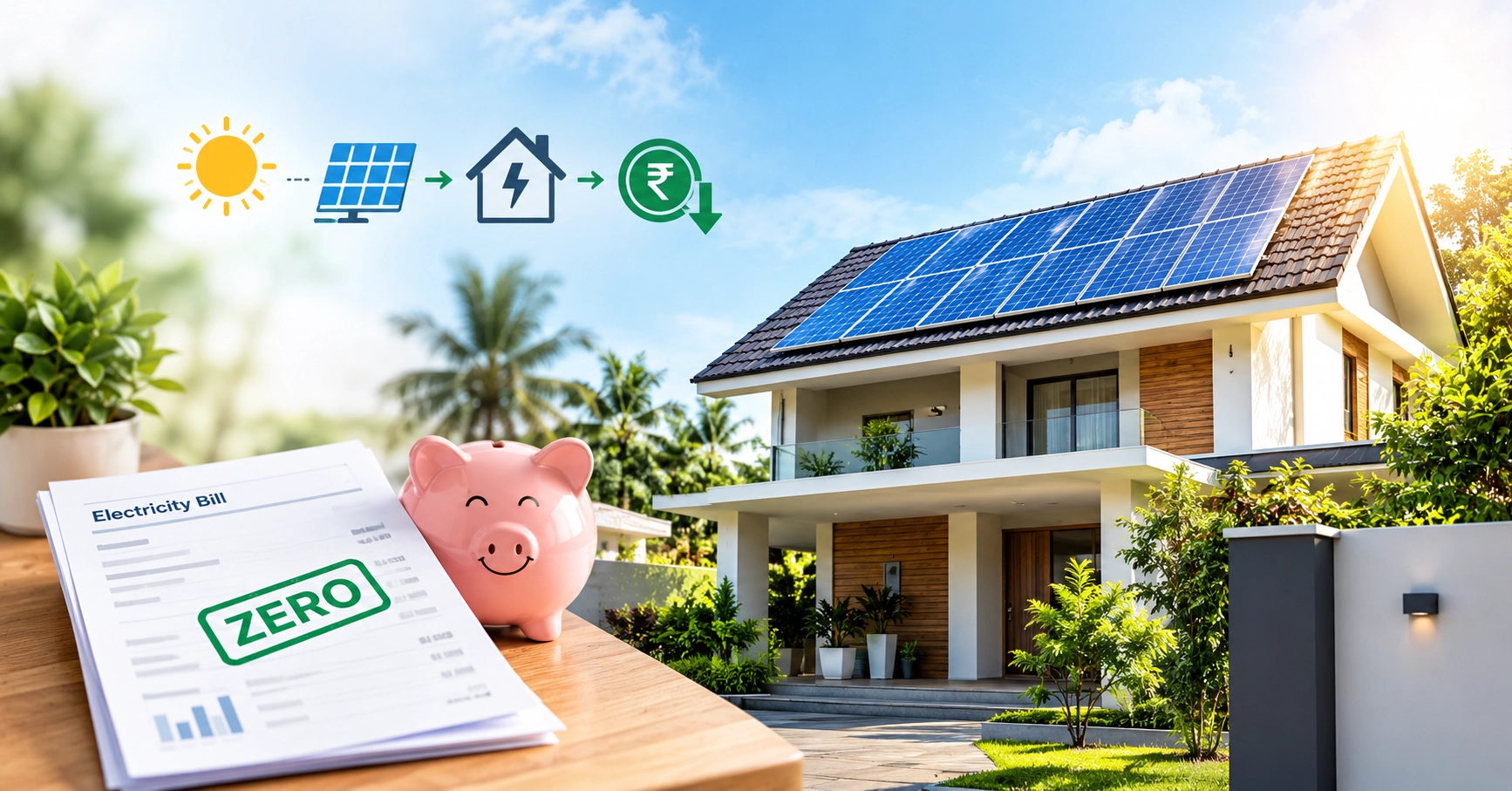
Can a Home Solar Panel System Reduce Your Electricity Bill to Zero?
Oct 15, 2026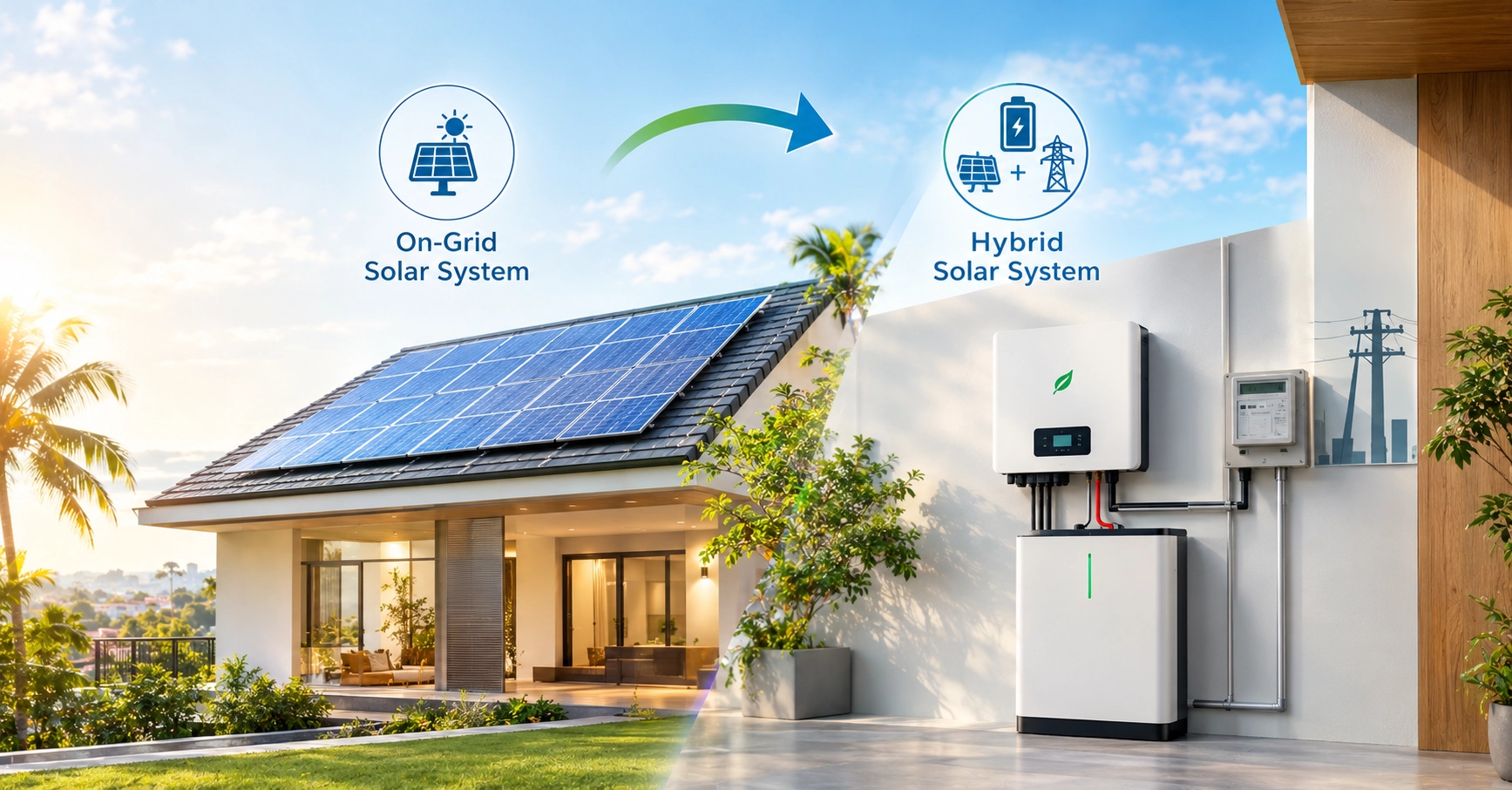
Can You Upgrade an Existing On-Grid Solar System to a Hybrid System?
Oct 14, 2026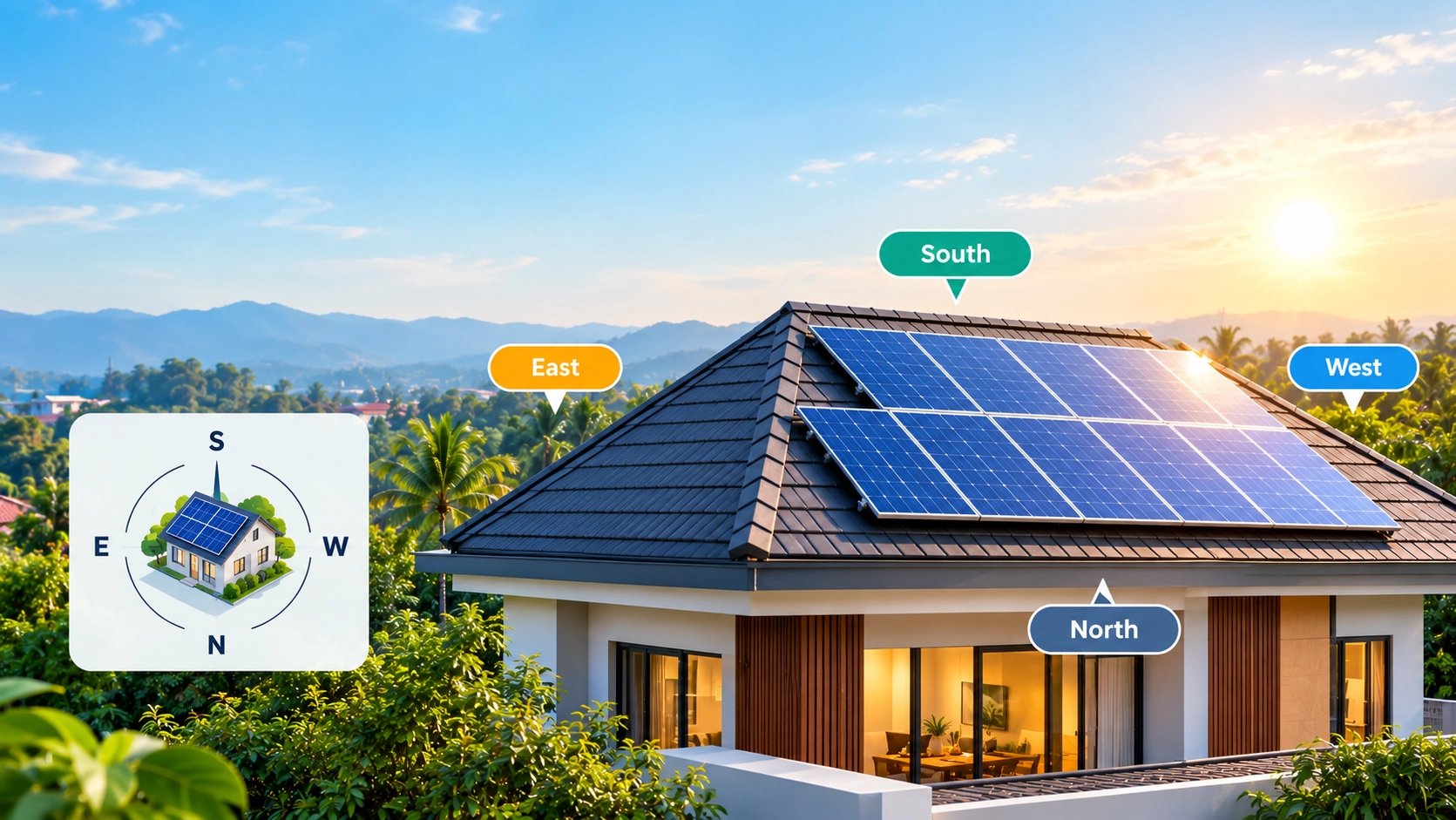
Does Roof Direction Affect Solar Panel Performance?
Oct 13, 2026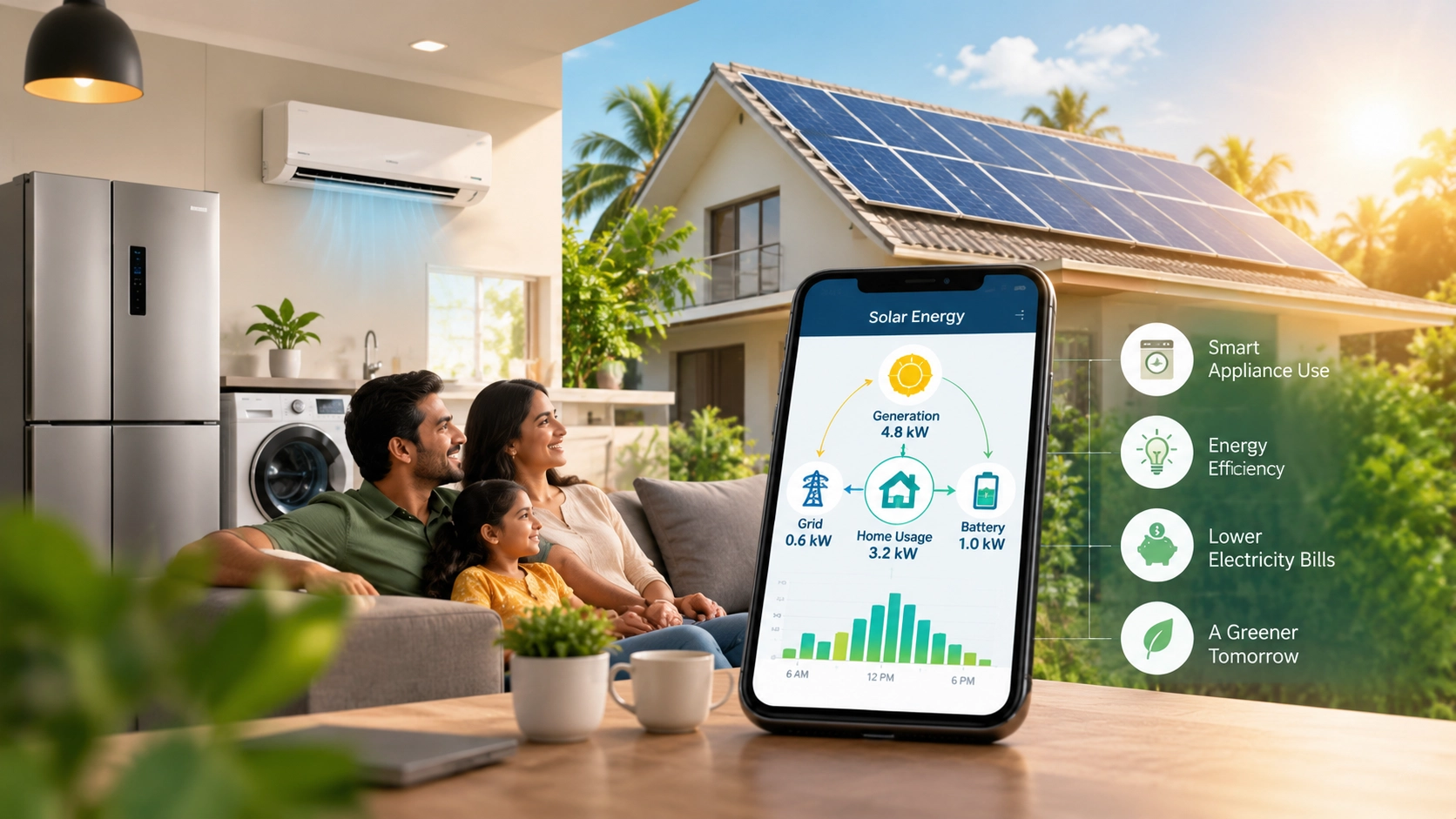
Solar Energy for Home: How Everyday Appliance Habits Influence Solar Savings
Oct 10, 2026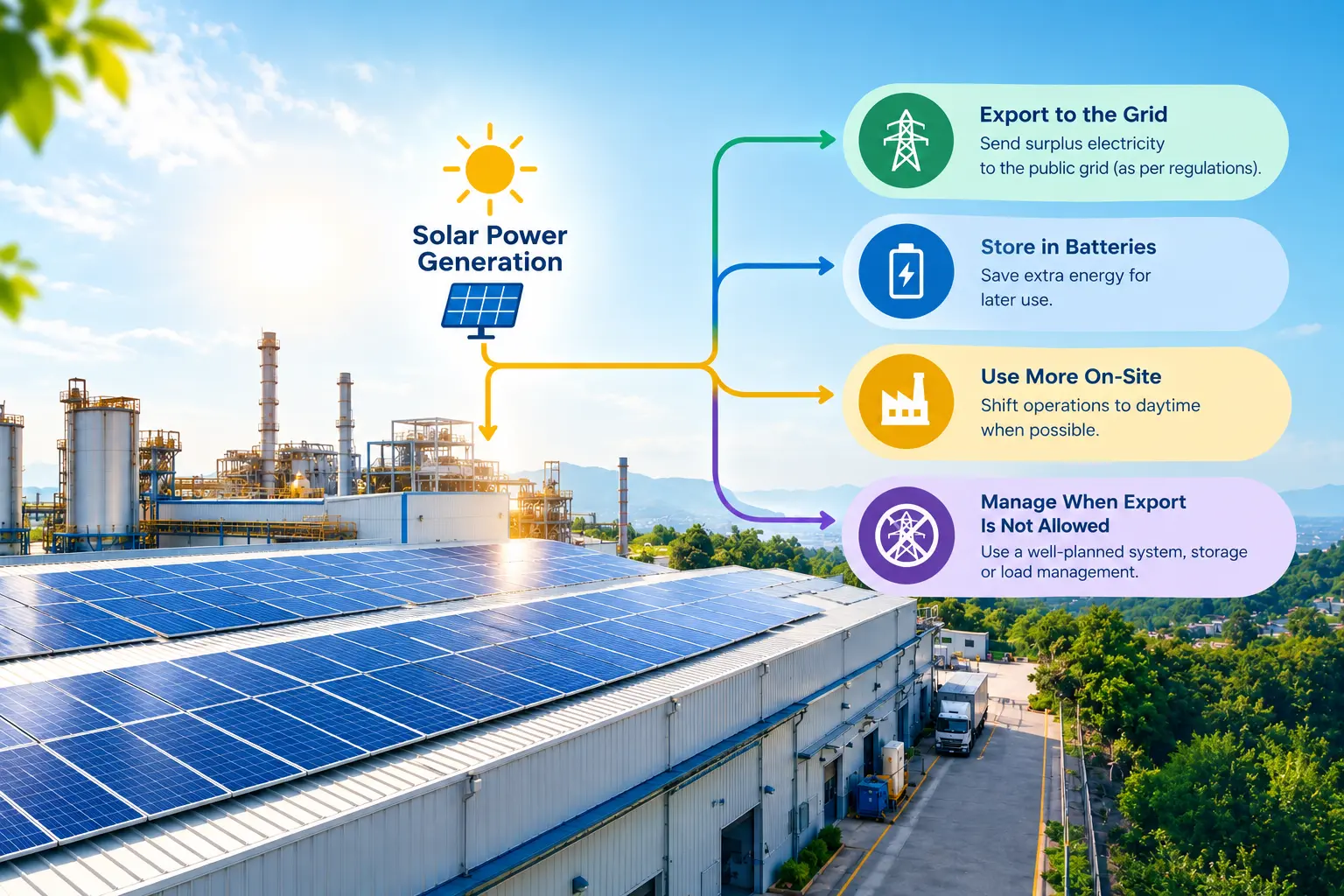
What Happens to Excess Solar Power Generated by an Industrial Solar System?
Oct 09, 2026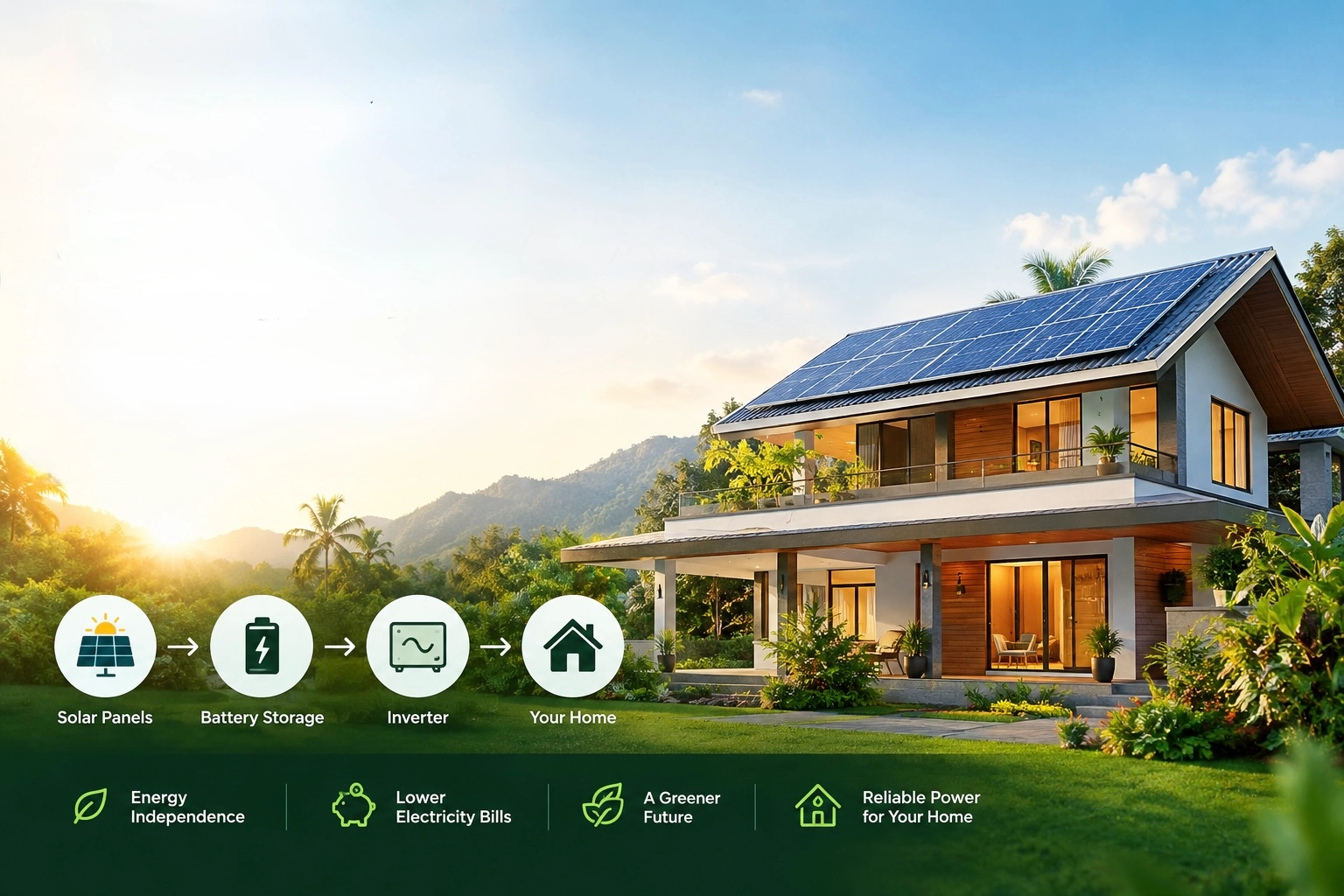
Can an Off-Grid Solar System Power Your Entire Home?
Oct 08, 2026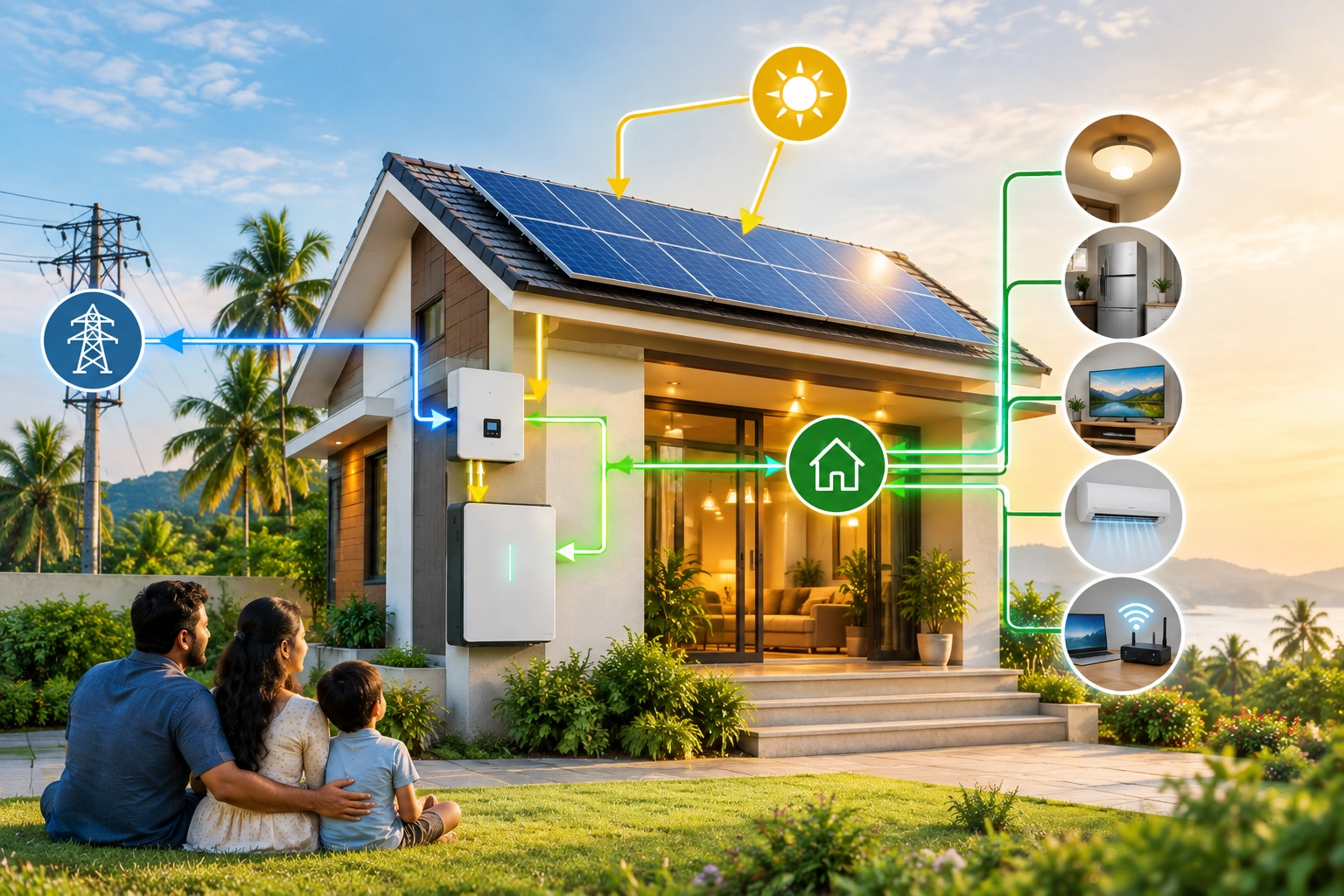
Is a Hybrid Solar System Worth the Investment in Kerala?
Oct 07, 2026Switch to Solar Today!
Save up to 90% on electricity bills with Allsun Nature's customized rooftop solar solutions.
Get Free Quote