

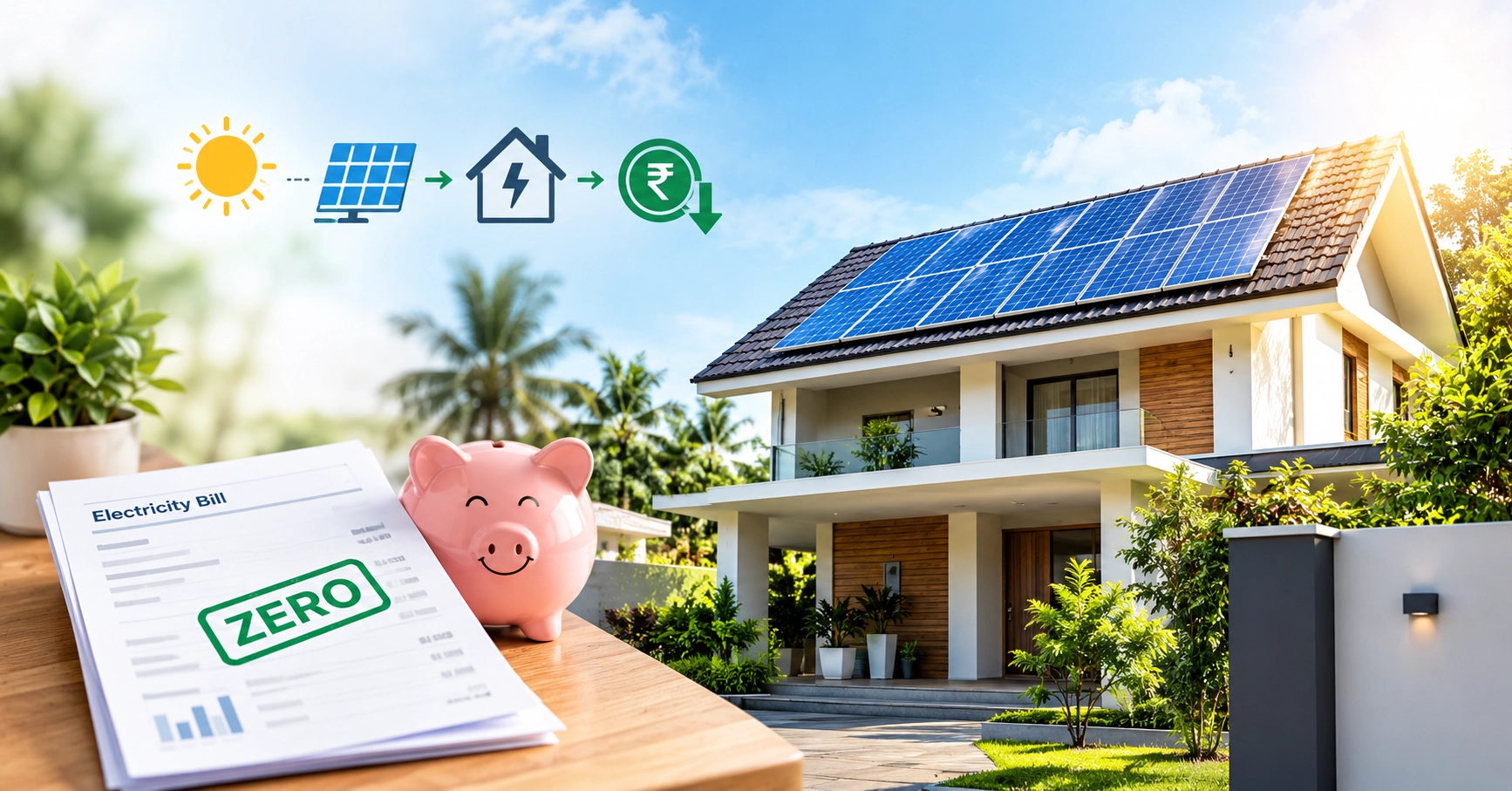
Electricity bills are a regular expense for every household. From air conditioners and refrigerators to washing machines, water pumps, and other appliances, daily electricity consumption can add up quickly. As electricity costs become a concern for many homeowners, solar power is gaining attention as a practical way to reduce monthly expenses.
But an important question remains: can installing solar panels actually bring your electricity bill down to zero?
The answer depends on several factors, including your household's electricity consumption, the capacity of your solar system, available sunlight, and the billing rules that apply to your connection. In some situations, solar can significantly reduce electricity expenses. However, a zero bill is not guaranteed for every home.
Let's understand how solar power works and what homeowners should consider before making the switch.
How Does a Home Solar System Reduce Electricity Bills?
A solar power system generates electricity by converting sunlight into usable energy. During daylight hours, solar panels produce electricity that can power household appliances. When your home uses this electricity directly, you may need to purchase less power from the electricity grid.
For example, if your solar panels generate enough electricity to run your refrigerator, fans, lights, and other appliances during the day, the amount of electricity you draw from the grid can decrease.
The actual savings depend on how much electricity your system generates and how much your household consumes at the same time.
A properly planned home solar panel system can help homeowners make better use of available rooftop space while reducing their dependence on conventional electricity. However, the system's capacity should match your energy requirements rather than being selected based on price alone.
Can Solar Panels Completely Eliminate Your Electricity Bill?
Solar panels can reduce electricity charges substantially, but eliminating the entire bill is not always possible.
Even when a solar system generates sufficient electricity over a billing period, your electricity bill may include fixed charges, meter charges, or other applicable fees. These charges depend on your electricity provider's tariff and the rules governing your connection.
Another important factor is the difference between daytime and nighttime consumption.
Solar panels generally generate the most electricity during daylight hours. After sunset, your home may still need power for lighting, fans, television, and other appliances. Without a suitable battery system, this electricity usually comes from the grid.
For homes connected to the grid, the treatment of surplus electricity also depends on the applicable metering arrangement and utility regulations.
Therefore, the goal should be to reduce your electricity expenses as much as reasonably possible. Whether your bill reaches zero depends on your system design, usage pattern, and billing structure.
1. Choose the Right Solar System Capacity
Selecting the correct system size is one of the most important steps in reducing electricity costs.
A small system may not generate enough electricity to meet your household's needs. On the other hand, a larger system may cost more than necessary if your roof space or consumption does not justify the additional capacity.
Before installation, review your previous electricity bills to understand your monthly consumption. Consider the appliances you use regularly, your typical daytime electricity requirements, and any plans to add new equipment.
For example, a household that uses air conditioning frequently may need a different system capacity from a home that mainly uses fans, lights, and basic appliances.
Professional Solar Panel Installation planning should include a review of energy consumption, roof suitability, shading, and expected solar generation. This helps homeowners choose a system that fits their actual requirements.
2. Understand On-Grid, Off-Grid, and Hybrid Systems
Different solar configurations offer different benefits, so understanding them can help you make an informed decision.
On-grid solar system: This system is connected to the electricity grid. Your home can use solar electricity during the day and draw power from the grid when solar generation is insufficient. Depending on the approved metering arrangement, eligible surplus electricity may be exported to the grid.
Off-grid solar system: This system operates independently of the electricity grid and generally uses batteries to store energy for later use. It may suit properties without reliable grid access, but the system must be designed carefully to meet energy needs throughout the day and night.
Hybrid solar system: This combines solar generation with battery storage and a grid connection where applicable. It can provide greater flexibility in managing energy use and backup requirements, depending on the system configuration.
Each option has different installation costs, maintenance requirements, and operating characteristics. The right choice depends on your budget, location, electricity consumption, and need for backup power.
3. Make Better Use of Daytime Solar Electricity
The timing of your electricity consumption can influence your savings.
When solar panels generate electricity during the day, running suitable appliances during those hours allows your household to use more of the electricity produced directly.
For example, you may be able to schedule washing machines, water pumps, or other flexible household activities during periods of good solar generation. This can reduce the amount of electricity you need to draw from the grid.
However, appliance usage should always follow manufacturer instructions and household safety requirements.
Monitoring your solar generation and electricity consumption can also help you understand when your system performs best. Over time, these observations can help you develop habits that make better use of available solar power.
4. Consider Roof Direction, Shade, and Weather
Solar panel performance depends on more than the number of panels installed.
The direction and angle of your roof, nearby trees, surrounding buildings, and other sources of shade can affect how much sunlight reaches the panels. Poor placement may reduce electricity generation even when the system has sufficient installed capacity.
Kerala also experiences monsoon weather, during which cloudy skies and rainfall can reduce solar output compared with bright, sunny conditions.
A reliable installer should evaluate these factors before recommending a system. Proper positioning, suitable equipment, and professional installation can help improve overall performance.
When comparing providers for Solar Panels and Installation, ask how they estimate generation for your specific roof rather than relying only on general production figures.
5. Understand the Total Cost and Potential Savings
The financial benefit of solar power depends on both installation costs and the electricity expenses you can avoid over time.
Before investing, compare quotations carefully. Review the proposed system capacity, panel and inverter specifications, warranties, installation work, monitoring features, and any additional equipment required.
You should also check whether you qualify for any current government subsidy or other applicable support. Eligibility, approved system requirements, and application procedures can change, so verify the latest information through official sources before including a subsidy in your budget.
A good financial estimate should consider expected generation, your current electricity tariff, self-consumption, eligible grid exports, maintenance, and applicable fixed charges.
Choosing the best solar company in kerala for your home means looking beyond the lowest quotation. Evaluate the provider's technical knowledge, installation quality, service support, transparent estimates, and ability to explain realistic savings.
6. Monitor Your System After Installation
Solar installation is only the beginning. Monitoring your system helps you understand whether it is generating electricity as expected.
Many inverters provide daily and monthly generation data through a display or mobile application. Reviewing this information can help you notice changes in performance.
If generation drops unexpectedly, possible causes include shading, dirt accumulation, equipment issues, or changes in weather. Some problems require professional inspection, so avoid attempting electrical repairs yourself.
Regular monitoring and appropriate maintenance can help your system continue operating effectively throughout its service life.
Conclusion
A solar power system can significantly reduce household electricity expenses, but bringing your bill down to zero depends on several conditions. Your energy consumption, system capacity, daytime usage, weather, metering arrangement, and applicable electricity charges all influence the final result.
Frequently Asked Questions
Recent Blogs
EV Charging Stations Cost: What Factors Affect the Total Price?
Oct 22, 2026
Home Solar Installation: How to Maintain Your System for Long-Term Performance
Oct 21, 2026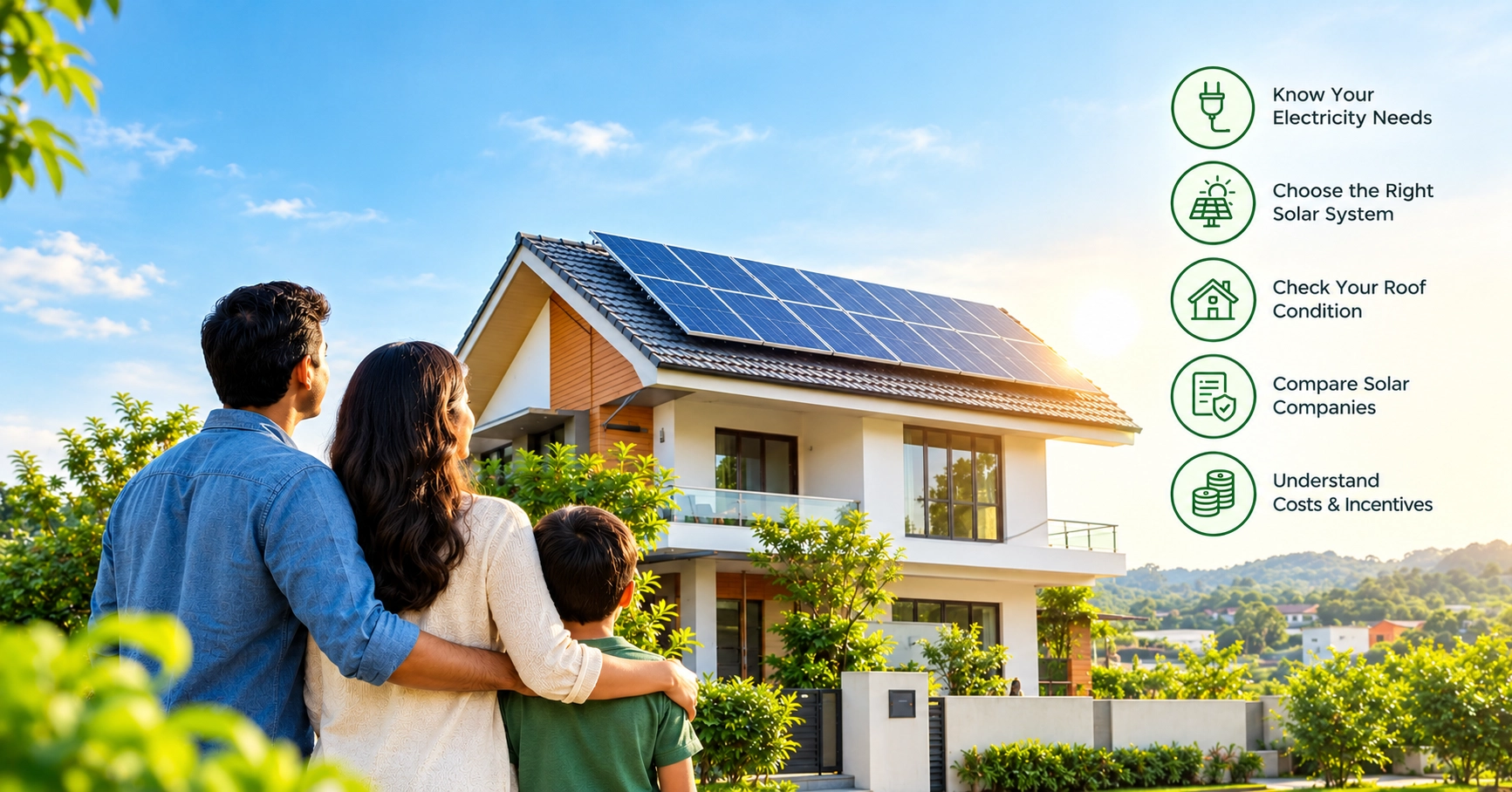
Solar Companies: What Homeowners Should Know Before Going Solar
Oct 17, 2026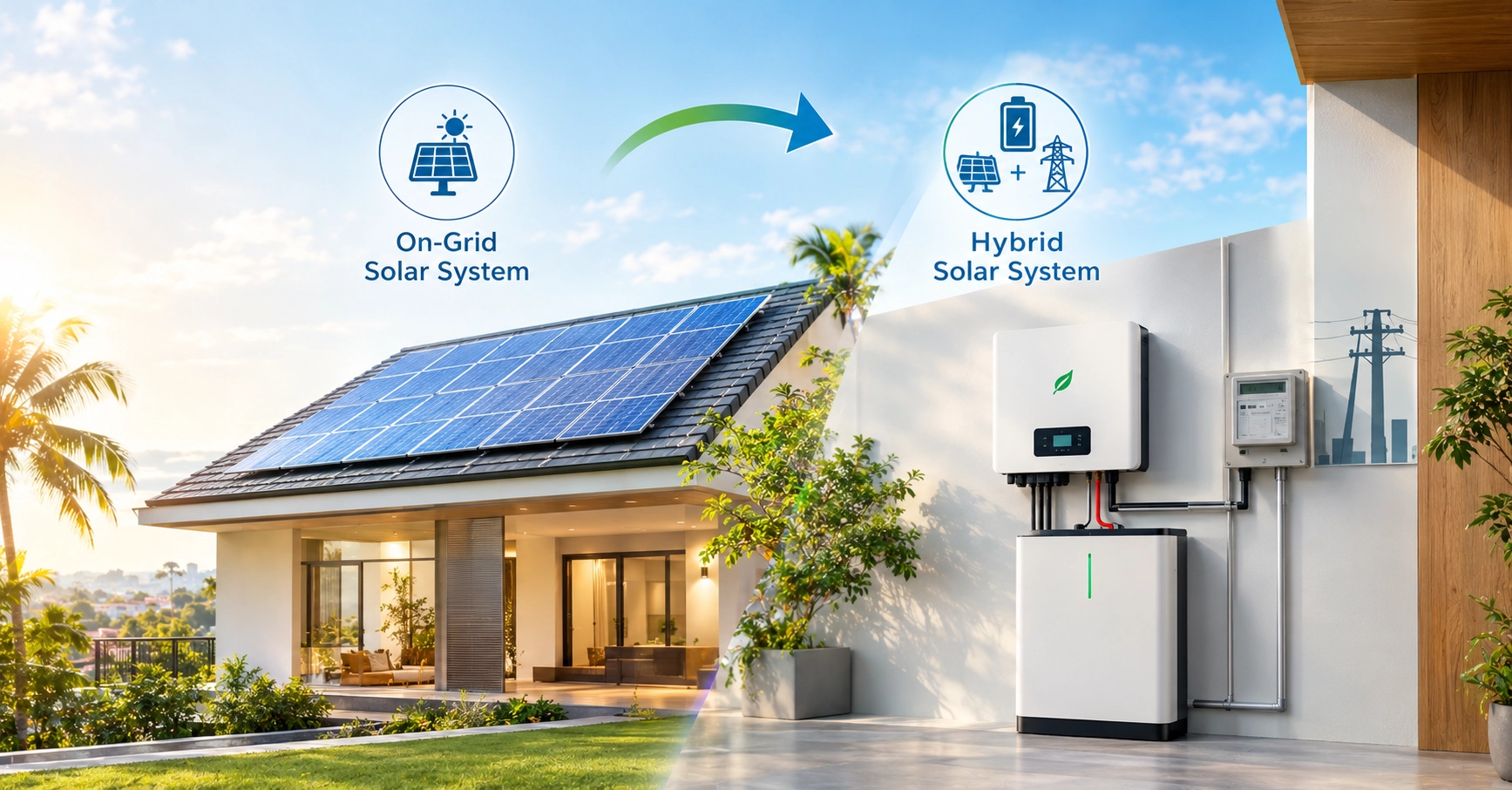
Can You Upgrade an Existing On-Grid Solar System to a Hybrid System?
Oct 14, 2026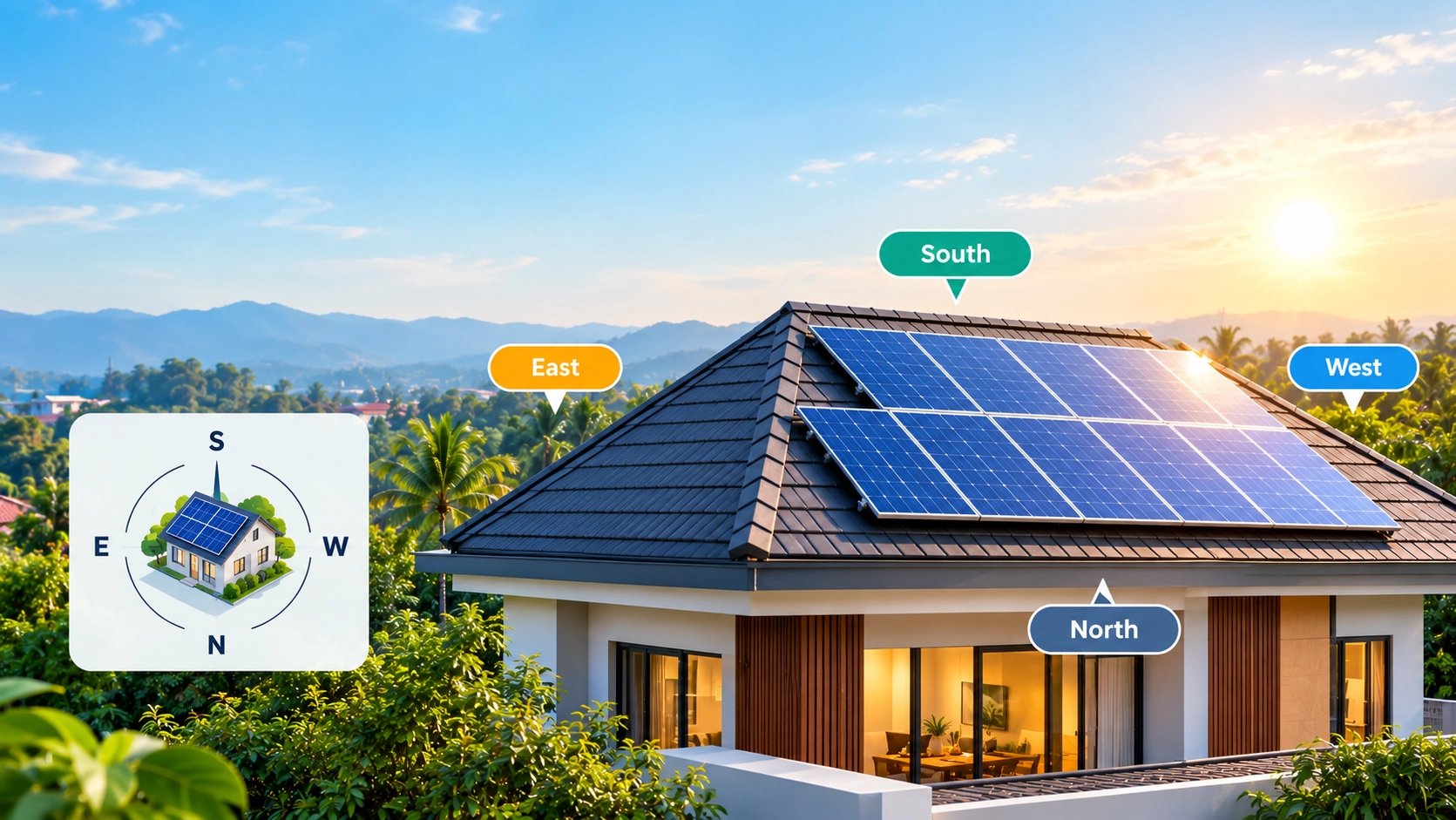
Does Roof Direction Affect Solar Panel Performance?
Oct 13, 2026
Best Solar Panels for Small Rooftops: How to Maximise Solar Power
Oct 12, 2026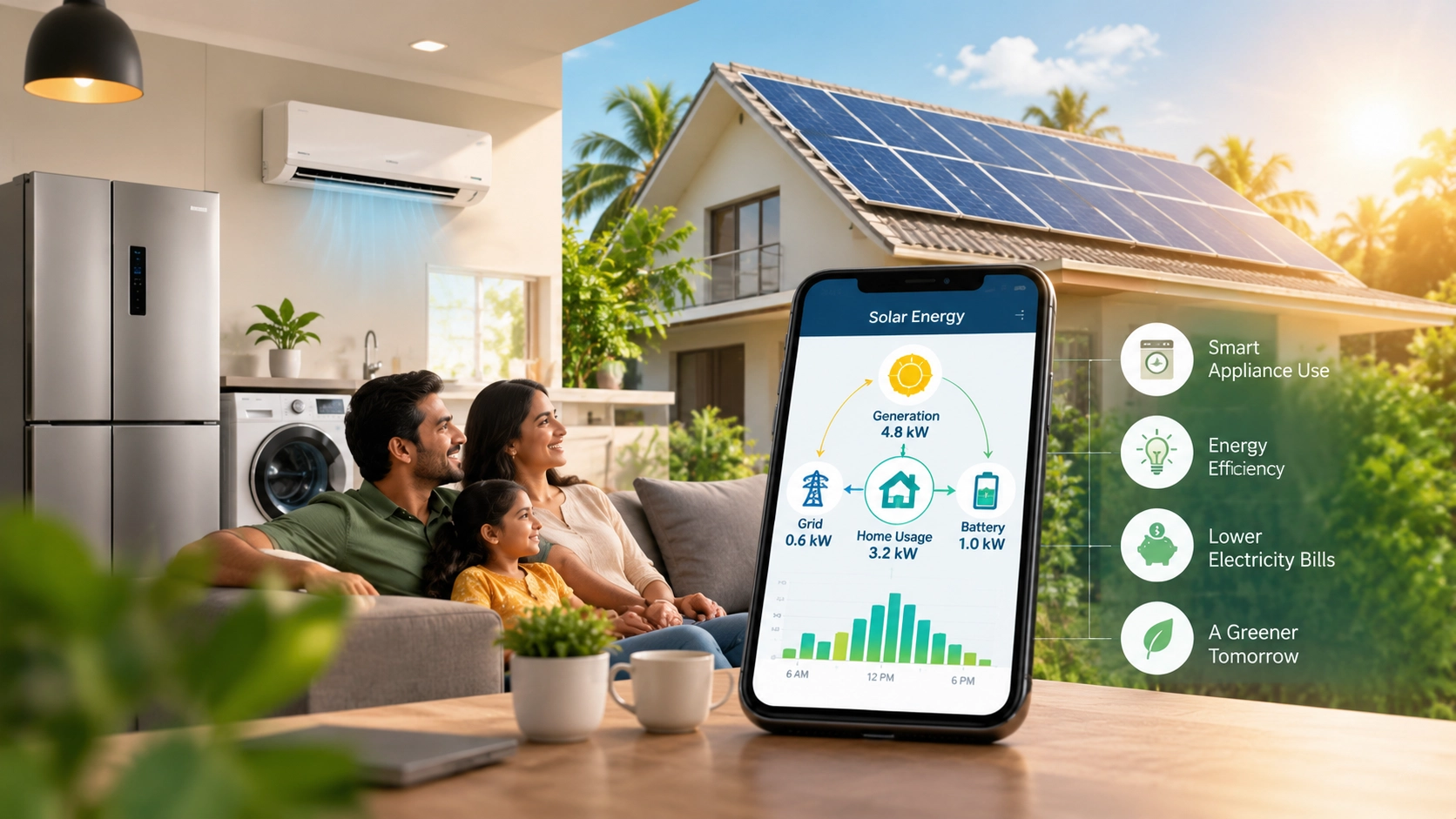
Solar Energy for Home: How Everyday Appliance Habits Influence Solar Savings
Oct 10, 2026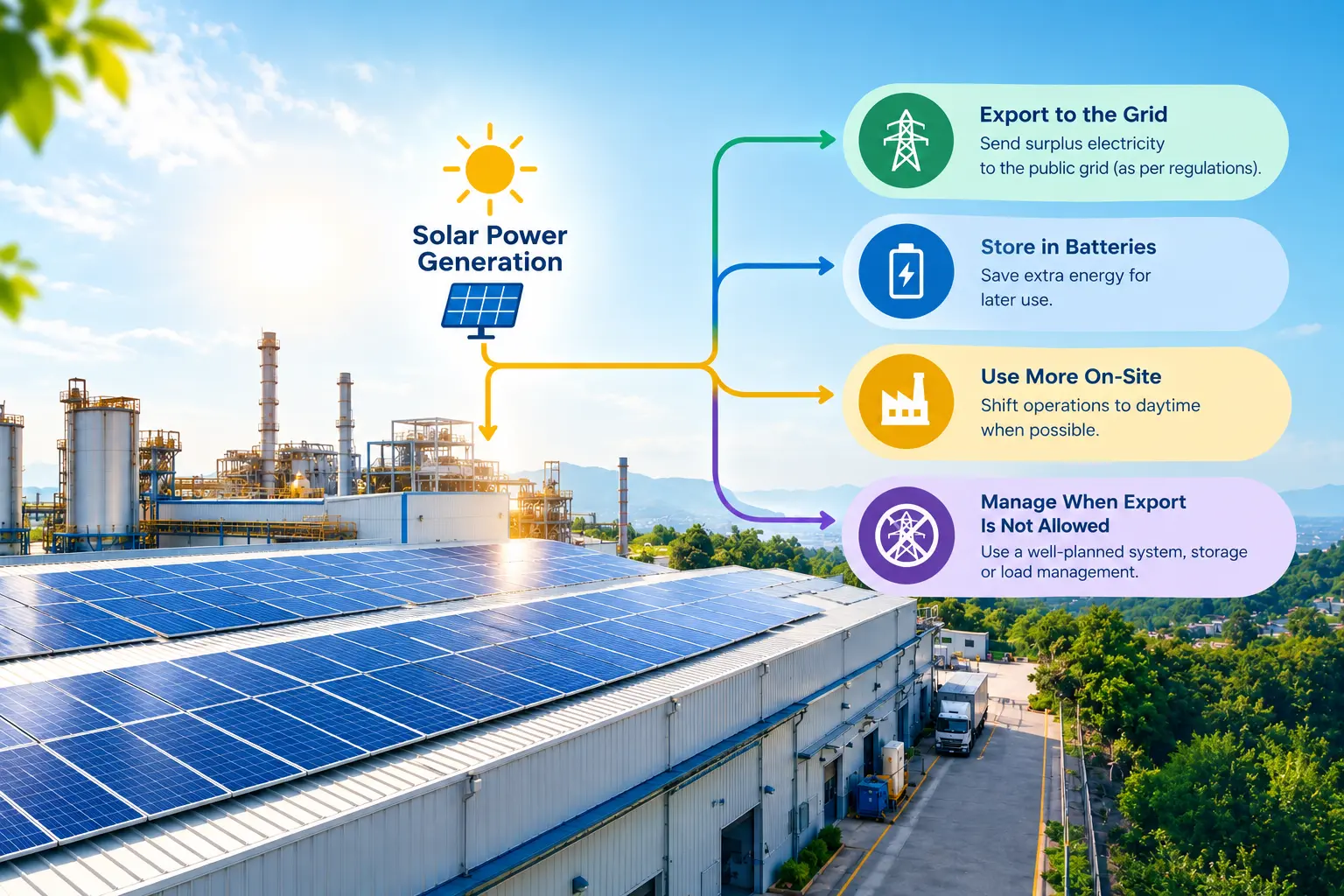
What Happens to Excess Solar Power Generated by an Industrial Solar System?
Oct 09, 2026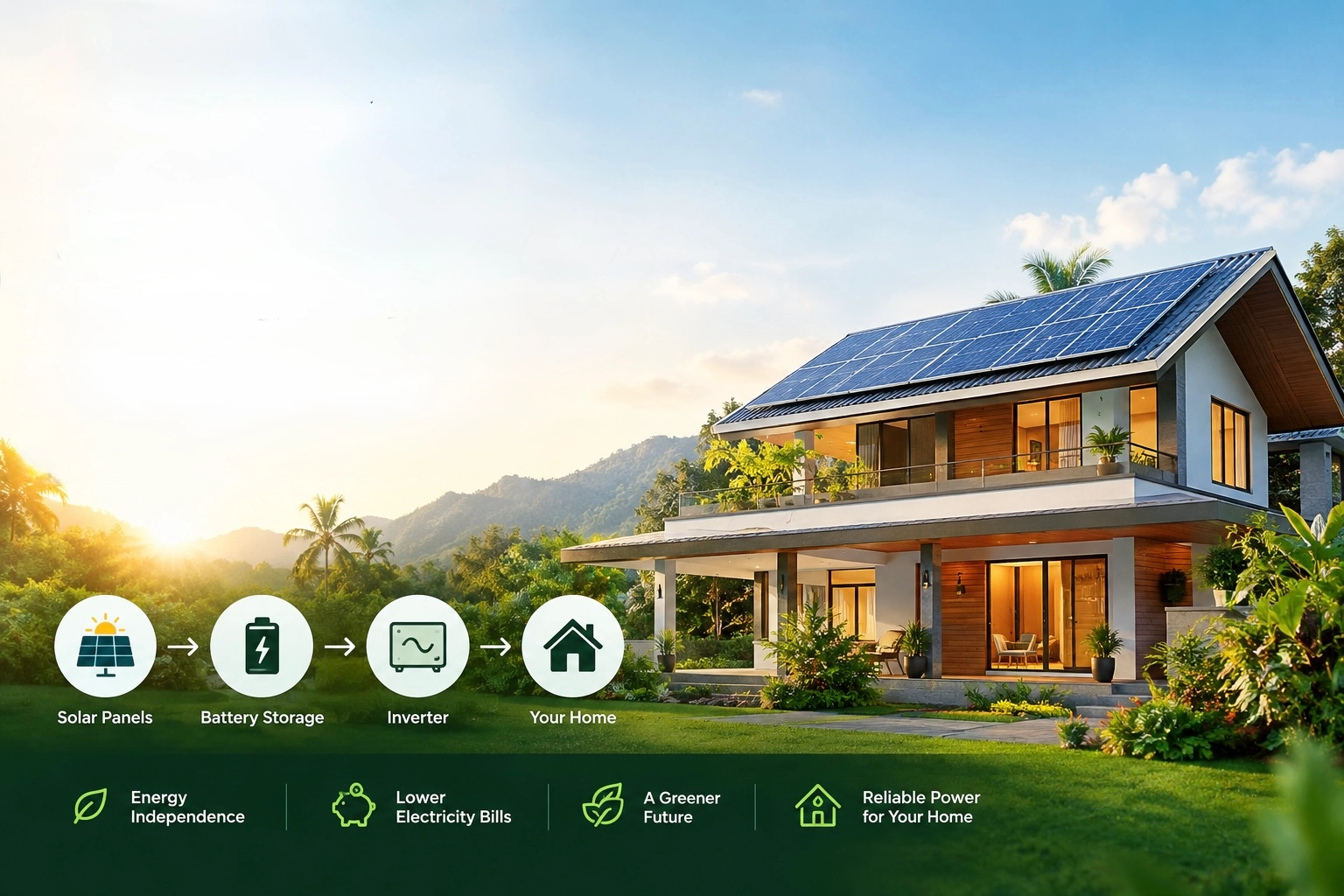
Can an Off-Grid Solar System Power Your Entire Home?
Oct 08, 2026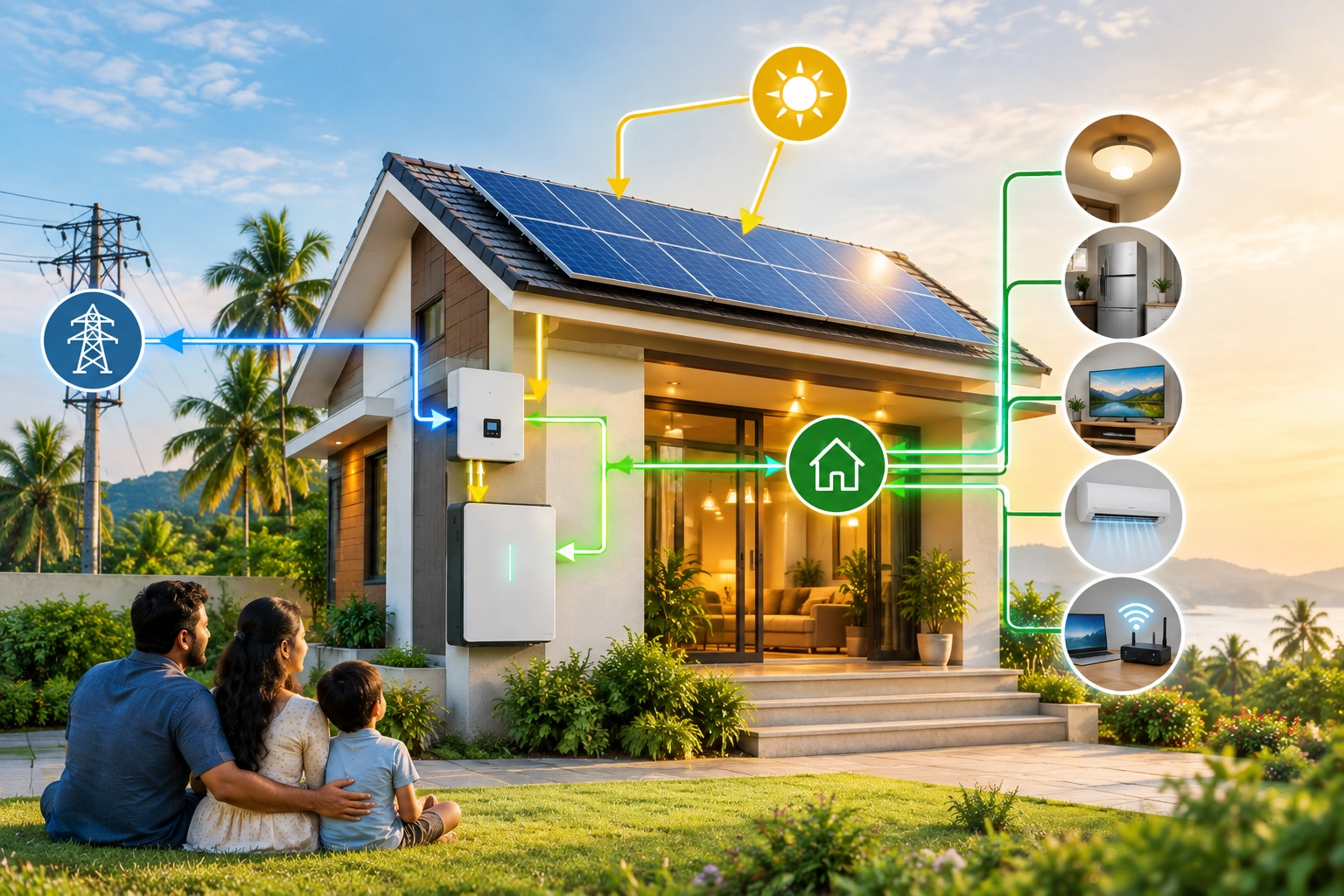
Is a Hybrid Solar System Worth the Investment in Kerala?
Oct 07, 2026Switch to Solar Today!
Save up to 90% on electricity bills with Allsun Nature's customized rooftop solar solutions.
Get Free Quote