
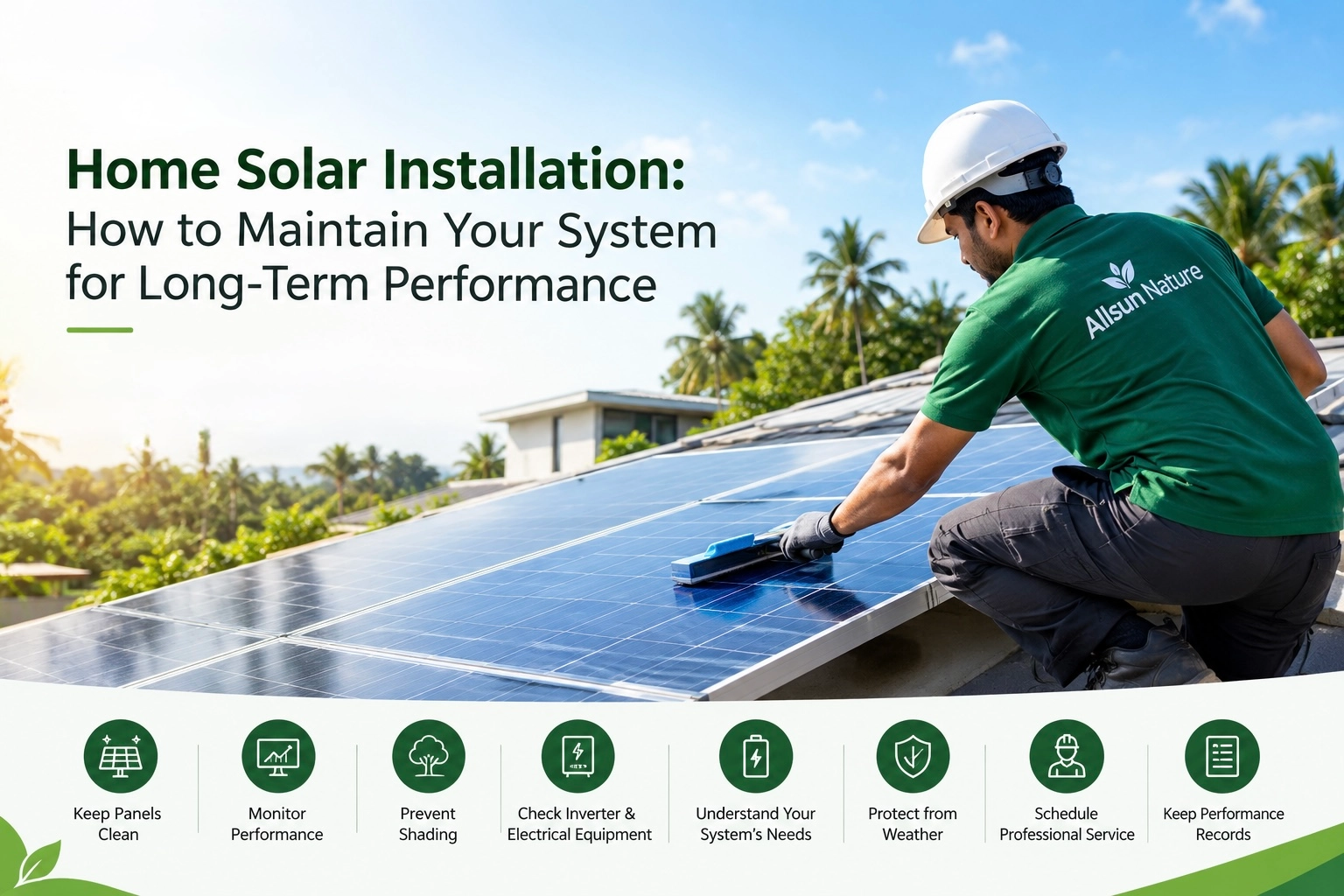
Solar energy is a practical way for homeowners to reduce their dependence on conventional electricity and make better use of renewable energy. However, installing solar panels is only the beginning. Regular monitoring, proper care, and timely maintenance are important for keeping a solar system operating efficiently over the years.
Although solar panels are designed for outdoor use and generally require limited maintenance, dust, shading, heavy rainfall, and equipment problems can affect their performance. Understanding how to maintain your system helps you identify potential issues early and protect your investment.
In this guide, we explore simple maintenance practices that homeowners can follow to support reliable solar energy generation over the long term.
1. Keep Solar Panels Clean
Solar panels are exposed to dust, leaves, bird droppings, and other environmental elements. When dirt accumulates on the surface, it can reduce the amount of sunlight reaching the solar cells and affect electricity generation.
Rain may remove some dust, but it might not eliminate stubborn dirt or bird droppings. Check your panels occasionally and arrange cleaning when necessary, depending on local conditions and the manufacturer's recommendations.
Use suitable cleaning methods and avoid abrasive materials that could scratch the panel surface. Never walk on solar panels or attempt to clean a difficult rooftop without proper safety equipment. Professional cleaning is a safer option when access is challenging.
Keeping panels reasonably clean allows them to receive sunlight effectively and helps maintain consistent performance.
2. Monitor Electricity Generation Regularly
Monitoring your system's electricity production is one of the easiest ways to identify performance changes. Most modern inverters provide a display or mobile application that shows energy generation and system status.
Check the readings periodically and learn how your system performs under normal weather conditions. Electricity generation naturally changes with cloud cover, rainfall, and seasonal variations. However, an unexpected decline during sunny weather may indicate dirt accumulation, shading, or a technical issue.
After a Home Solar Installation, understanding the inverter's monitoring features can help you recognise unusual changes before they become more serious.
Compare energy production across similar days or months instead of relying on a single reading. If the decline continues without an obvious explanation, contact a qualified solar technician for an inspection.
3. Prevent Shading Around Solar Panels
Sunlight is essential for solar electricity generation. Trees, nearby buildings, water tanks, and other rooftop structures can cast shadows on panels and affect their output.
Take time to inspect the surrounding area and identify any new sources of shade. Trees that were small when the panels were installed may grow over time, while new construction can also change the amount of sunlight reaching the rooftop.
If branches are blocking sunlight, arrange appropriate trimming where permitted. Avoid moving rooftop equipment without checking its purpose and the potential effect on system performance.
During the planning stage, selecting a suitable installation area and assessing shade throughout the day can help improve energy generation. Good rooftop planning reduces avoidable performance problems and supports long-term efficiency.
4. Check the Inverter and Electrical Equipment
The inverter converts the electricity generated by solar panels into a form suitable for household use or grid connection. Its proper operation is essential for the overall performance of the system.
Check the inverter display for warning messages, error codes, or unexpected shutdowns. You can also look for visible signs of damage around accessible equipment, but electrical enclosures should never be opened by an unqualified person.
A professional technician can inspect cables, electrical connections, protective devices, and mounting components according to the manufacturer's guidelines. If the inverter shows a persistent fault, arrange technical support rather than attempting repairs yourself.
Timely inspection can help identify minor problems and reduce unnecessary interruptions in electricity generation.
5. Understand Your Solar System's Maintenance Needs
Different solar configurations have different maintenance requirements. An on-grid system operates with the electricity grid, while an off-grid system depends on battery storage for electricity when solar generation is unavailable. A hybrid system can combine solar panels, battery storage, and grid connectivity.
A home solar power system with battery storage requires additional attention to battery condition, temperature, charging behaviour, and manufacturer-specific maintenance instructions.
Keep the equipment in the recommended environment and pay attention to monitoring alerts. Follow the manufacturer's guidance on ventilation, battery care, and servicing. Never ignore unusual smells, visible damage, or repeated system warnings; contact a qualified professional if you notice these issues.
Understanding your system's configuration makes it easier to follow the correct maintenance routine and communicate effectively with your service provider.
6. Protect the System from Rain and Harsh Weather
Solar panels are designed to withstand outdoor conditions, but the entire installation must be properly maintained to remain reliable.
In Kerala, heavy rainfall, humidity, and seasonal storms make it useful to check for visible signs of roof leakage, damaged mounting structures, loose components, or water exposure around electrical equipment.
After severe weather, arrange a professional inspection if you suspect damage. Never climb onto a wet roof or touch electrical equipment that may have been affected by water.
Proper mounting, suitable waterproofing, and quality installation practices help protect the system. Homeowners should also keep installation documents and warranty details available in case repairs or replacements become necessary.
7. Schedule Professional Maintenance
Regular visual checks are helpful, but they cannot replace a professional inspection. Qualified technicians have the equipment and knowledge needed to assess electrical safety, inverter operation, panel condition, and mounting stability.
The recommended service frequency depends on the equipment, environmental conditions, and manufacturer's instructions. Follow the maintenance schedule provided by your installer rather than assuming every system requires the same service interval.
For homeowners planning a Home Solar Installation, it is worth discussing after-sales support, warranty coverage, service availability, and maintenance requirements before making a decision.
Choosing an experienced installer who provides clear maintenance guidance can make solar ownership easier and help resolve technical issues when they arise.
8. Keep Records of System Performance
Maintaining basic records helps you understand how your solar system performs over time. Save installation documents, warranty information, service reports, and details of any repairs or component replacements.
You can also record monthly electricity generation and compare it with previous periods. Consider seasonal weather changes before deciding that a reduction indicates a fault.
A well-maintained home solar panel system benefits from regular performance reviews because they help homeowners recognise unusual patterns and provide useful information to technicians.
Remember that electricity bills alone do not show the complete picture. Household consumption, grid imports, exported electricity, and changes in usage habits can all affect your monthly bill.
Conclusion
Solar panels can provide dependable electricity for many years when they are properly installed and maintained. Simple habits such as keeping panels clean, monitoring energy production, checking for shading, and arranging professional inspections can support long-term performance.
If you are planning a Home Solar Installation, understanding maintenance requirements from the beginning can help you make an informed decision and protect your investment. Allsun Nature can help homeowners explore suitable solar solutions and understand the importance of quality installation and ongoing system care.
With proper planning and regular attention, homeowners can make better use of solar energy and enjoy the benefits of their system for years to come.
Frequently Asked Questions
Recent Blogs
EV Charging Stations Cost: What Factors Affect the Total Price?
Oct 22, 2026
Solar Companies: What Homeowners Should Know Before Going Solar
Oct 17, 2026
Can a Home Solar Panel System Reduce Your Electricity Bill to Zero?
Oct 15, 2026
Can You Upgrade an Existing On-Grid Solar System to a Hybrid System?
Oct 14, 2026
Does Roof Direction Affect Solar Panel Performance?
Oct 13, 2026
Best Solar Panels for Small Rooftops: How to Maximise Solar Power
Oct 12, 2026
Solar Energy for Home: How Everyday Appliance Habits Influence Solar Savings
Oct 10, 2026
What Happens to Excess Solar Power Generated by an Industrial Solar System?
Oct 09, 2026
Can an Off-Grid Solar System Power Your Entire Home?
Oct 08, 2026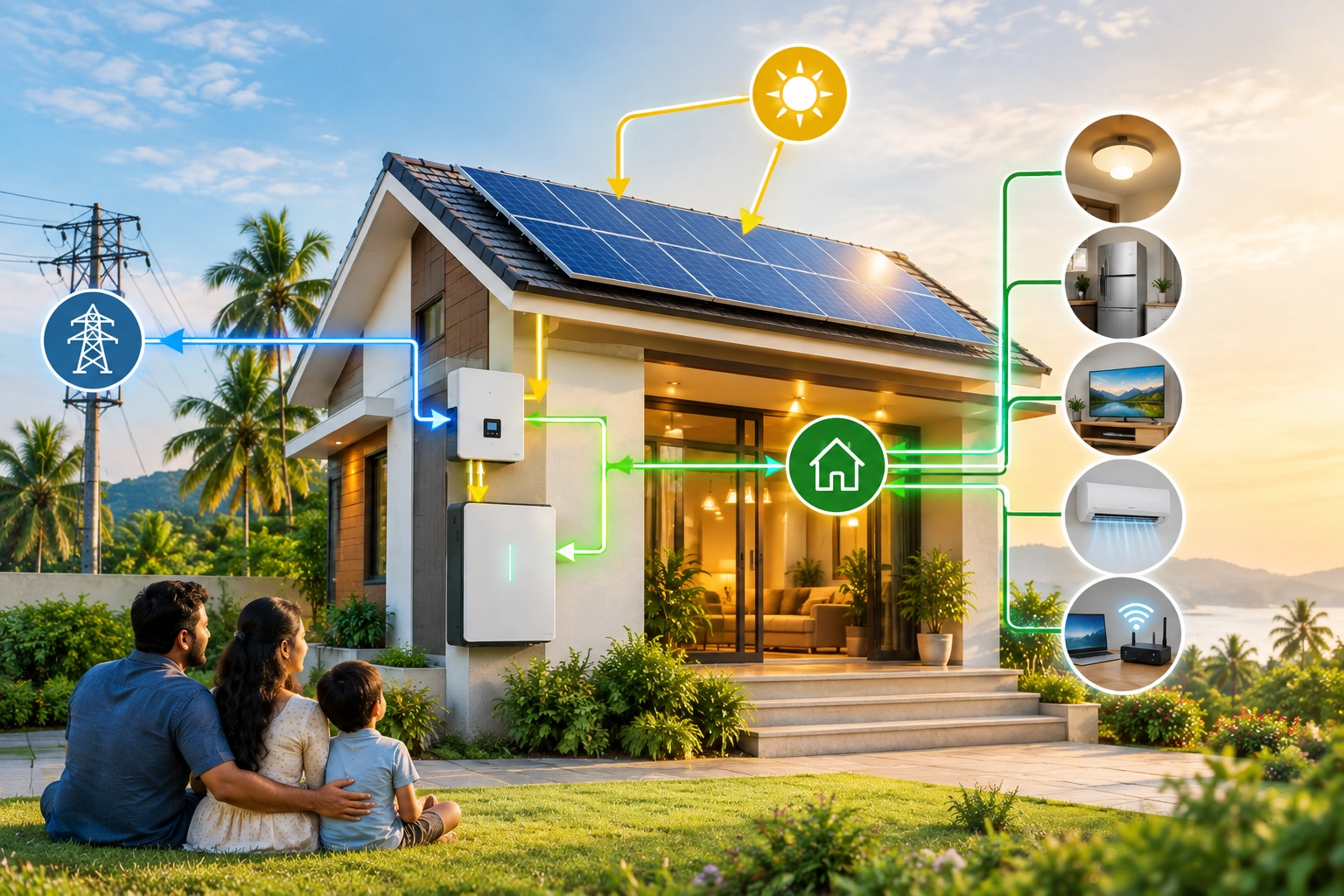
Is a Hybrid Solar System Worth the Investment in Kerala?
Oct 07, 2026Switch to Solar Today!
Save up to 90% on electricity bills with Allsun Nature's customized rooftop solar solutions.
Get Free Quote