

Switching to solar energy is a practical way for homeowners to reduce electricity expenses and make better use of renewable energy. With rising electricity consumption and growing interest in sustainable living, many families are considering rooftop solar systems for their homes. However, choosing the right system involves more than simply purchasing solar panels. Homeowners need to understand their electricity requirements, roof conditions, installation quality, costs, and long-term maintenance before making a decision.
Choosing experienced Solar Companies can make this process easier by helping homeowners understand the available options and select a system that suits their property. With proper planning and professional installation, residential solar can become a valuable long-term investment.
1. Understand Your Home's Electricity Requirements
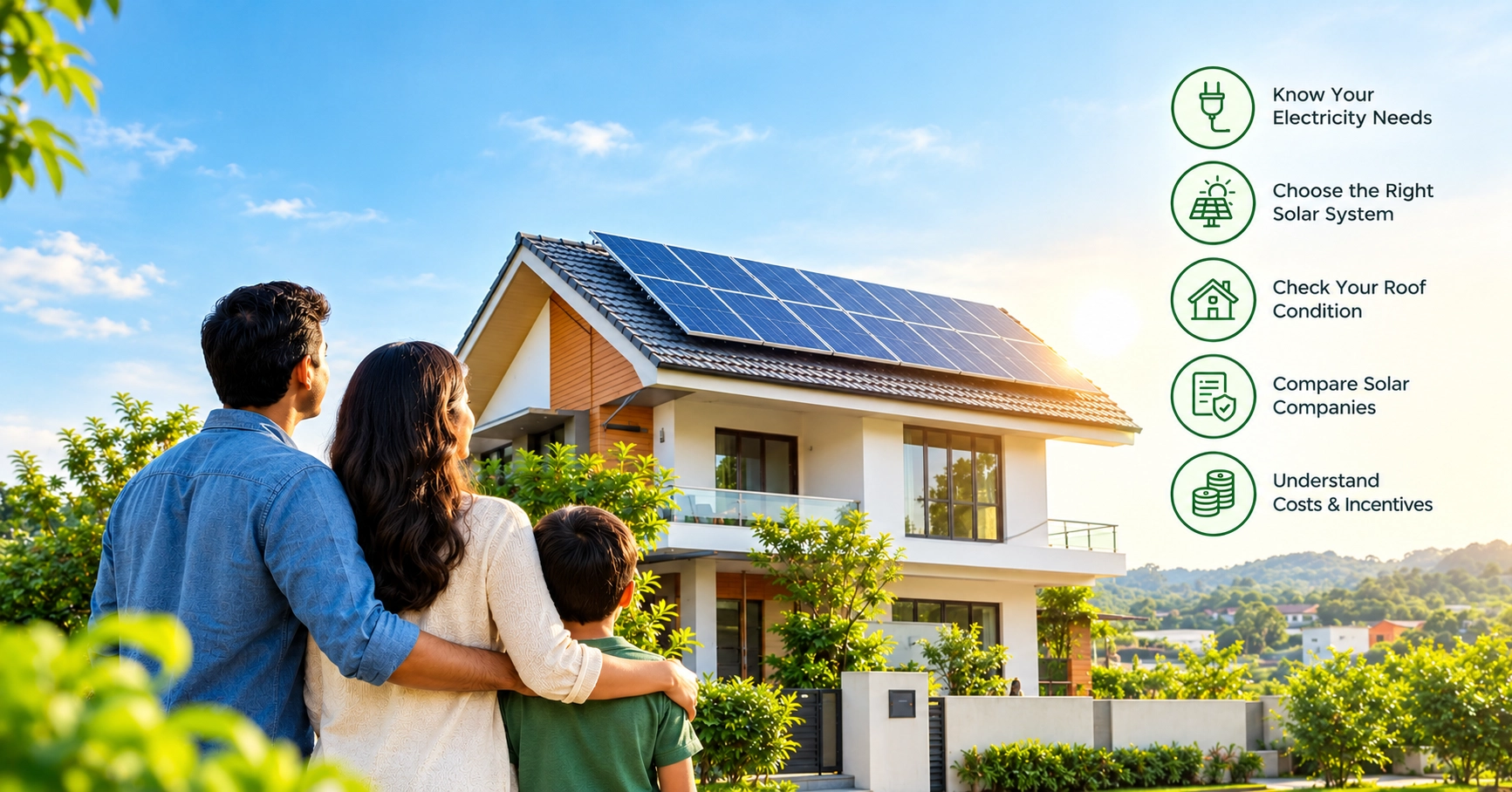
Before installing a solar system, start by reviewing your household's electricity consumption. Check your recent electricity bills to understand how many units your family uses each month. Consider the appliances you use regularly, including air conditioners, refrigerators, washing machines, water pumps, and other electrical equipment.
Your electricity consumption helps determine the appropriate solar system capacity. A household with moderate energy requirements may need a different system from a larger home with multiple air conditioners and other high-consumption appliances.
Professional installers can assess your energy usage and recommend a suitable system size. Selecting the right capacity helps avoid unnecessary expenses while ensuring that your solar installation meets your household's needs.
2. Choose the Right Solar System for Your Home
Homeowners can choose between different solar configurations depending on their electricity requirements, budget, and backup power needs.
On-grid solar systems connect to the electricity grid and are commonly selected by households looking to reduce their electricity bills. Depending on the applicable regulations and metering arrangement, surplus electricity may be exported to the grid.
Off-grid solar systems operate independently of the electricity grid and generally require battery storage to provide power when sunlight is unavailable.
Hybrid solar systems combine grid connectivity with battery storage, offering greater flexibility for managing electricity usage and backup requirements.
Each option has different costs, operating characteristics, and benefits. Before making a decision, discuss your daily energy consumption, power-cut frequency, and backup requirements with your installer.
3. Evaluate Your Roof Before Installation
Roof conditions play an important role in solar electricity generation. The available installation area, roof orientation, slope, structural strength, and surrounding shade can influence system performance.
Trees, nearby buildings, water tanks, and other obstacles may cast shadows over the panels and reduce electricity production. A professional site assessment helps identify these issues before installation begins.
Homeowners should also consider roof condition and future maintenance requirements. Installing solar panels on a roof that needs major repairs may create additional expenses later. Addressing necessary repairs beforehand can make the installation process more efficient.
Experienced installers can evaluate the available space and recommend a suitable panel layout to make effective use of the roof.
4. Compare Solar Companies Before Making a Decision
Choosing a suitable installer is one of the most important steps in a residential solar project. Different providers may offer different equipment, installation methods, warranties, and after-sales services.
When comparing Solar Companies, homeowners should consider the following factors:
Experience with residential solar installations.
Quality and specifications of solar panels and inverters.
Installation standards and electrical safety practices.
Warranty coverage for equipment and workmanship.
Availability of maintenance and technical support.
Clear quotations with itemised costs and inclusions.
Avoid making a decision based only on the lowest quotation. A reliable provider should explain the proposed system, expected performance, limitations, and ongoing responsibilities clearly.
Requesting detailed quotations from multiple providers makes it easier to compare the overall value of each proposal.
5. Understand the Cost of Solar Panels and Installation
The total cost of a residential solar project depends on several factors, including system capacity, panel technology, inverter selection, mounting structures, electrical work, and installation complexity.
Battery storage can increase the initial investment, particularly when a household requires substantial backup power. Roof conditions and additional electrical work may also affect the final quotation.
When reviewing Solar Panels and Installation packages, check exactly what is included in the price. Confirm whether the quotation covers mounting structures, wiring, protection devices, installation labour, commissioning, and applicable documentation.
Homeowners should also ask about any ongoing maintenance costs and the conditions attached to warranties.
Rather than comparing prices alone, evaluate the equipment quality, installation standards, expected energy generation, and support provided. This approach helps you make a more informed financial decision.
6. Check Solar Subsidies and Applicable Regulations
Eligible residential customers may be able to reduce their initial investment through government solar subsidy programmes. In India, the PM Surya Ghar: Muft Bijli Yojana supports eligible residential rooftop solar installations, subject to the scheme's current requirements.
Before applying, homeowners should verify the latest eligibility conditions, subsidy amounts, installation requirements, and approved vendor procedures through official government resources.
For households in Kerala, it is also important to understand the applicable Kerala State Electricity Board (KSEB) requirements, grid-connection procedures, and metering arrangements.
Do not assume that every solar installation automatically qualifies for a subsidy. Confirm the current rules and documentation requirements before finalising your project.
7. Select Quality Equipment for Long-Term Performance
Solar panels and inverters are essential components of a residential solar system. Their specifications, reliability, warranty conditions, and compatibility influence the overall performance of the installation.
When choosing a solar panel for home use, consider factors such as available roof space, rated power output, efficiency, product warranty, and the manufacturer's service support.
Higher-efficiency panels may be useful when roof space is limited, while other panel options may offer better value depending on the project requirements.
The inverter should also match the system capacity and configuration. Homeowners should ask about monitoring features, safety protections, and the process for handling equipment faults.
A balanced approach to equipment selection helps ensure that the system is suitable for the property and its expected electricity consumption.
8. Understand Solar Savings and the Payback Period
Solar energy can reduce the amount of electricity a household purchases from the grid. However, the actual savings depend on several factors, including system capacity, sunlight availability, household consumption patterns, electricity tariffs, and the applicable billing arrangement.
A realistic savings estimate should consider the expected electricity generation and how much of that electricity the household can use effectively. Exported electricity may be credited differently depending on the applicable metering and tariff rules.
The payback period is the estimated time required for accumulated savings to recover the initial investment. It is not identical for every household.
Ask your installer for a projection based on your electricity bills, proposed system size, expected generation, and total installation cost. Treat estimates as projections rather than guaranteed results.
9. Plan for Maintenance and After-Sales Support
Although solar systems generally require limited routine maintenance, periodic checks help maintain safe and efficient operation.
Dust, leaves, bird droppings, and other deposits can affect panel performance. Cleaning may be necessary depending on local conditions, rainfall, and the amount of dirt accumulating on the panels.
Homeowners should also monitor system performance and check for unexpected drops in electricity generation. Any electrical faults, damaged cables, unusual inverter warnings, or other safety concerns should be assessed by a qualified professional.
Before installation, understand the maintenance services offered, warranty claim procedures, and availability of technical support. Good after-sales service can make it easier to address issues throughout the system's operating life.
10. Make an Informed Decision Before Going Solar
Installing rooftop solar requires careful consideration of energy needs, equipment quality, roof suitability, installation costs, and long-term support. Taking time to evaluate these factors helps homeowners choose a system that fits their requirements instead of relying on price or promotional claims alone.
For homeowners researching the best solar company in Kerala, it is worth comparing providers based on technical expertise, transparent quotations, reliable installation practices, suitable equipment, and dependable after-sales service.
A well-planned solar installation can help households make better use of renewable energy and manage electricity expenses more effectively.
Conclusion
Going solar can be a valuable step towards a more energy-efficient home when the system is selected and installed correctly. Understanding your electricity requirements, comparing installers, checking subsidy eligibility, and planning for maintenance can help you make a confident decision.
Allsun Nature helps homeowners explore solar solutions based on their property and energy requirements. By considering the right system design, quality equipment, and professional installation, homeowners can take a practical step towards using clean energy for their everyday needs.
Frequently Asked Questions
Recent Blogs
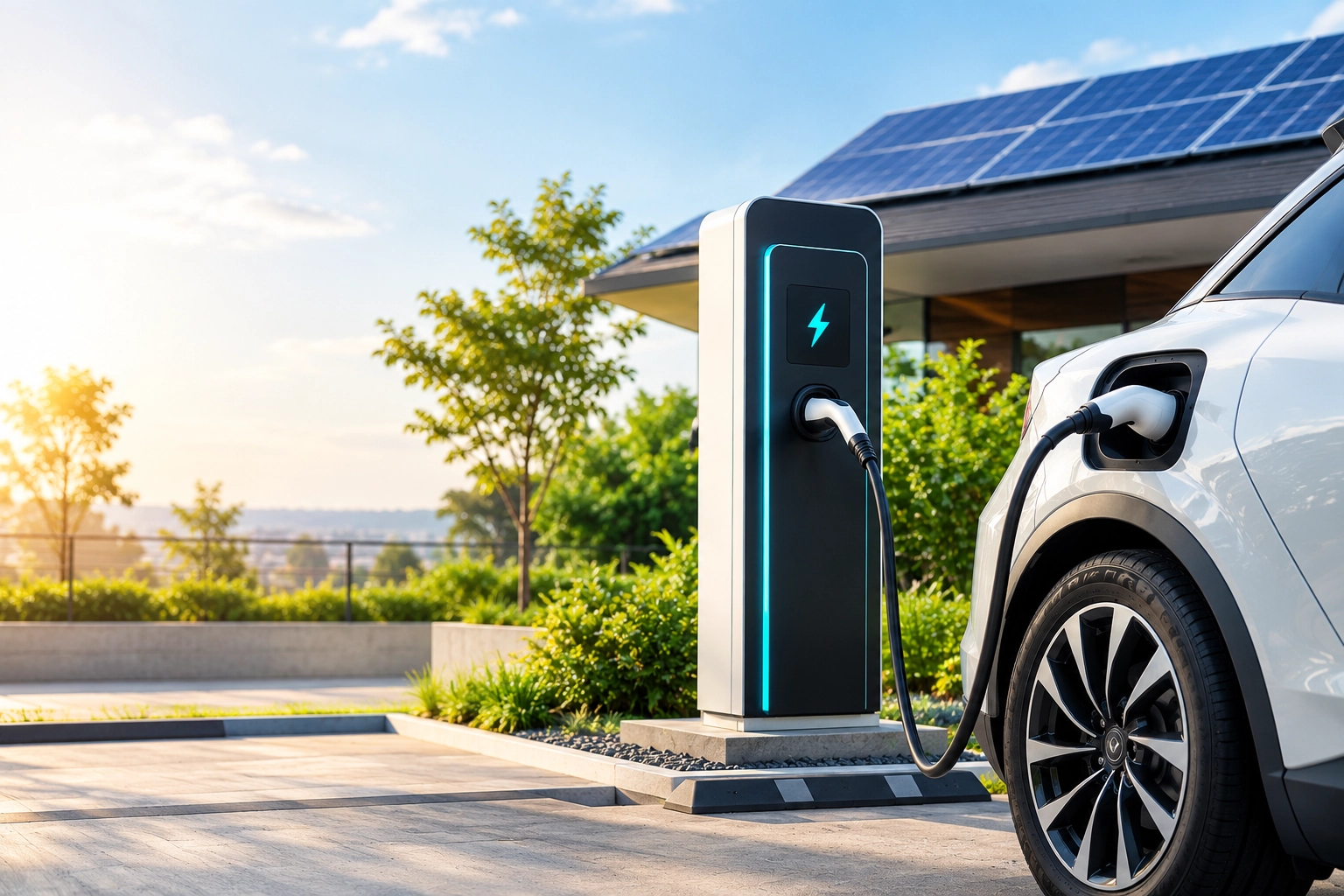
EV Charging Stations Cost: What Factors Affect the Total Price?
Oct 22, 2026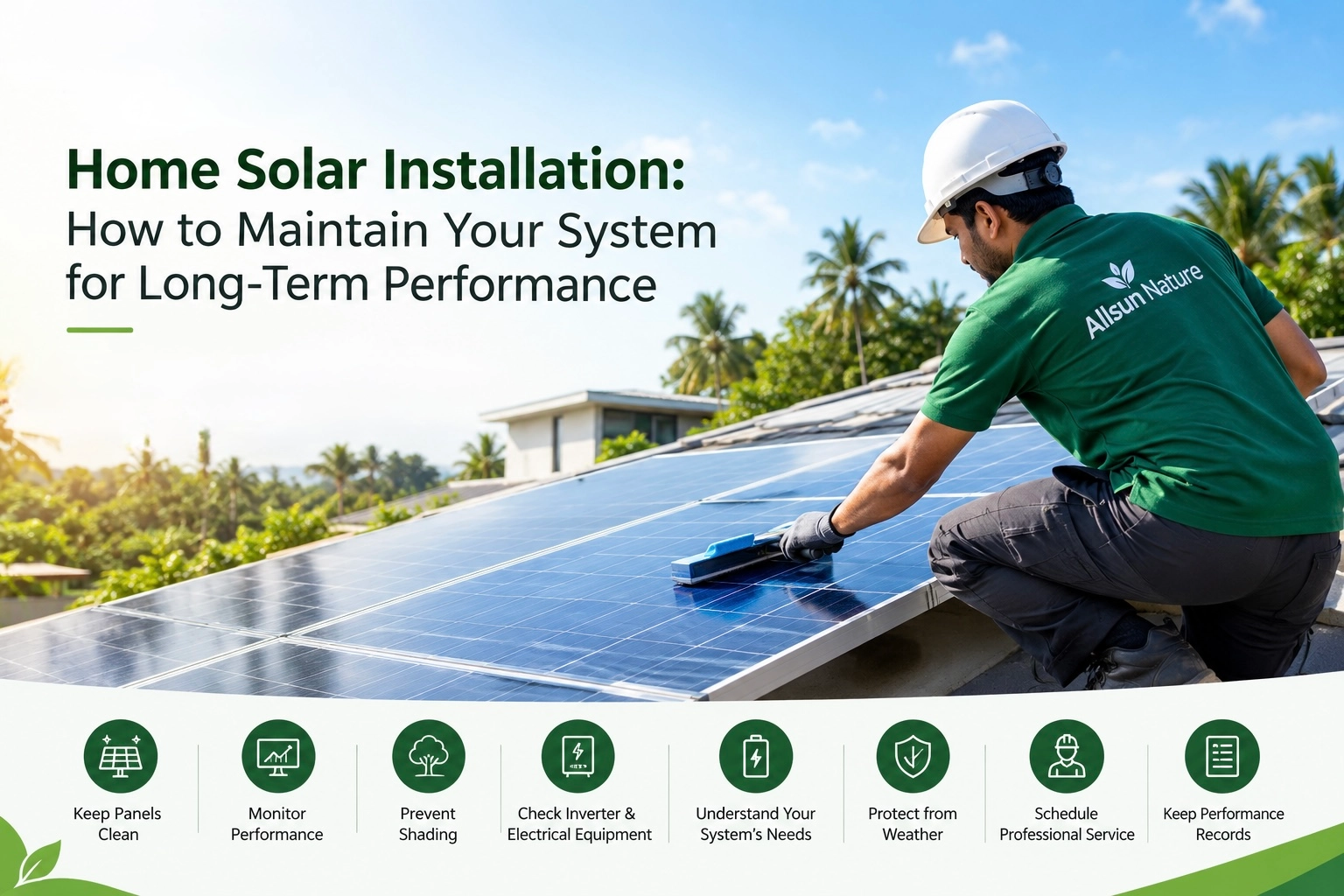
Home Solar Installation: How to Maintain Your System for Long-Term Performance
Oct 21, 2026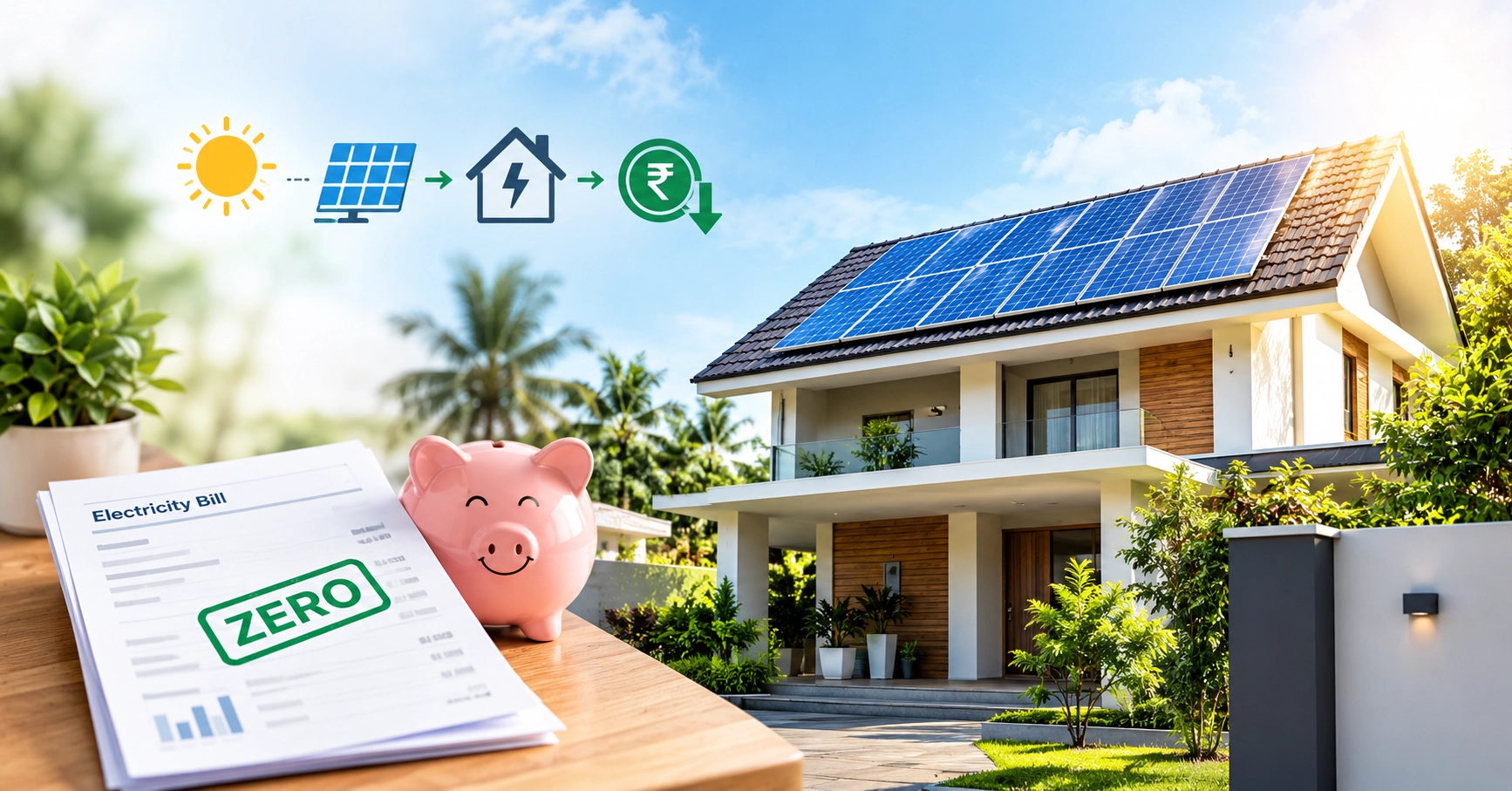
Can a Home Solar Panel System Reduce Your Electricity Bill to Zero?
Oct 15, 2026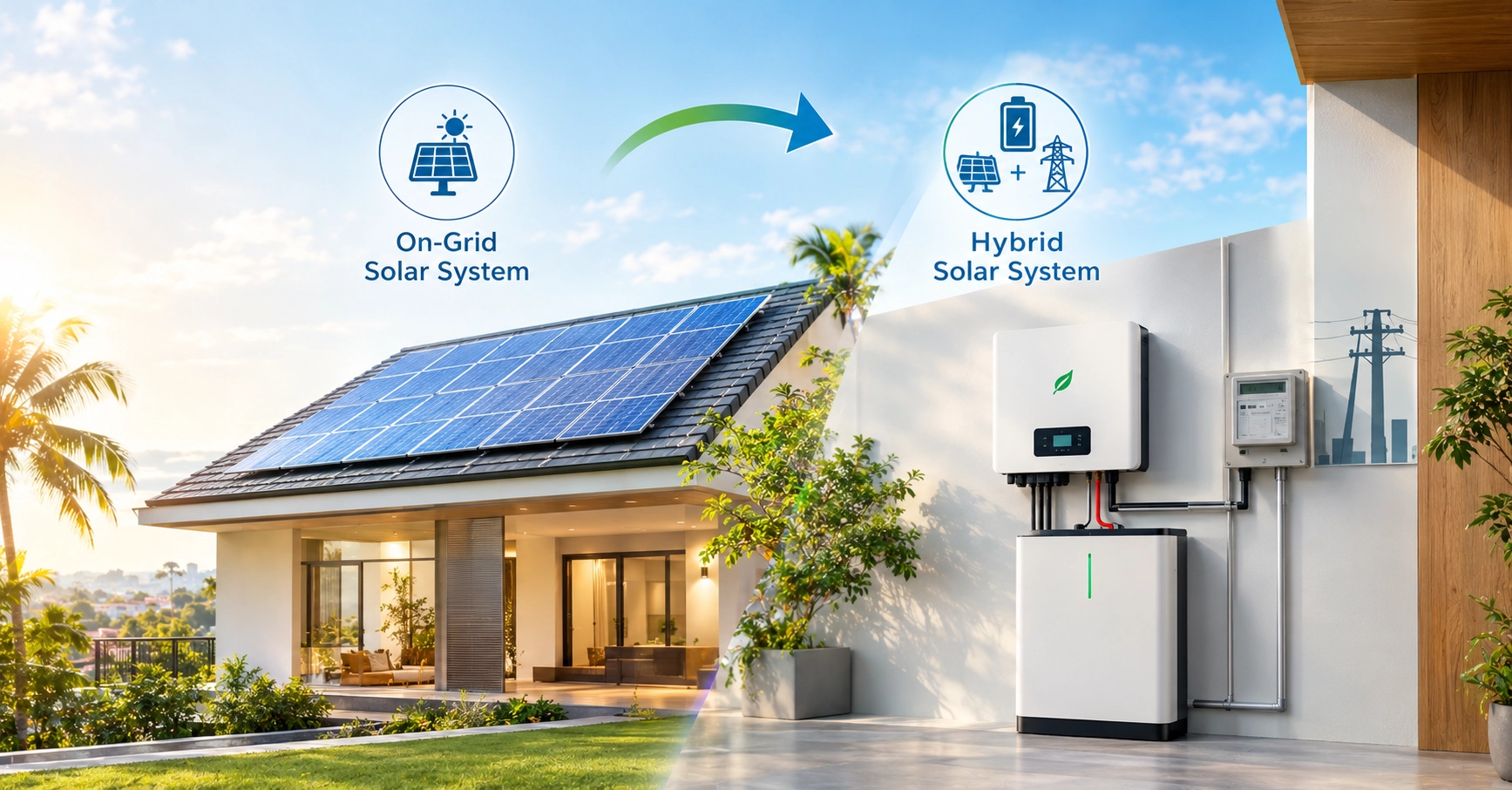
Can You Upgrade an Existing On-Grid Solar System to a Hybrid System?
Oct 14, 2026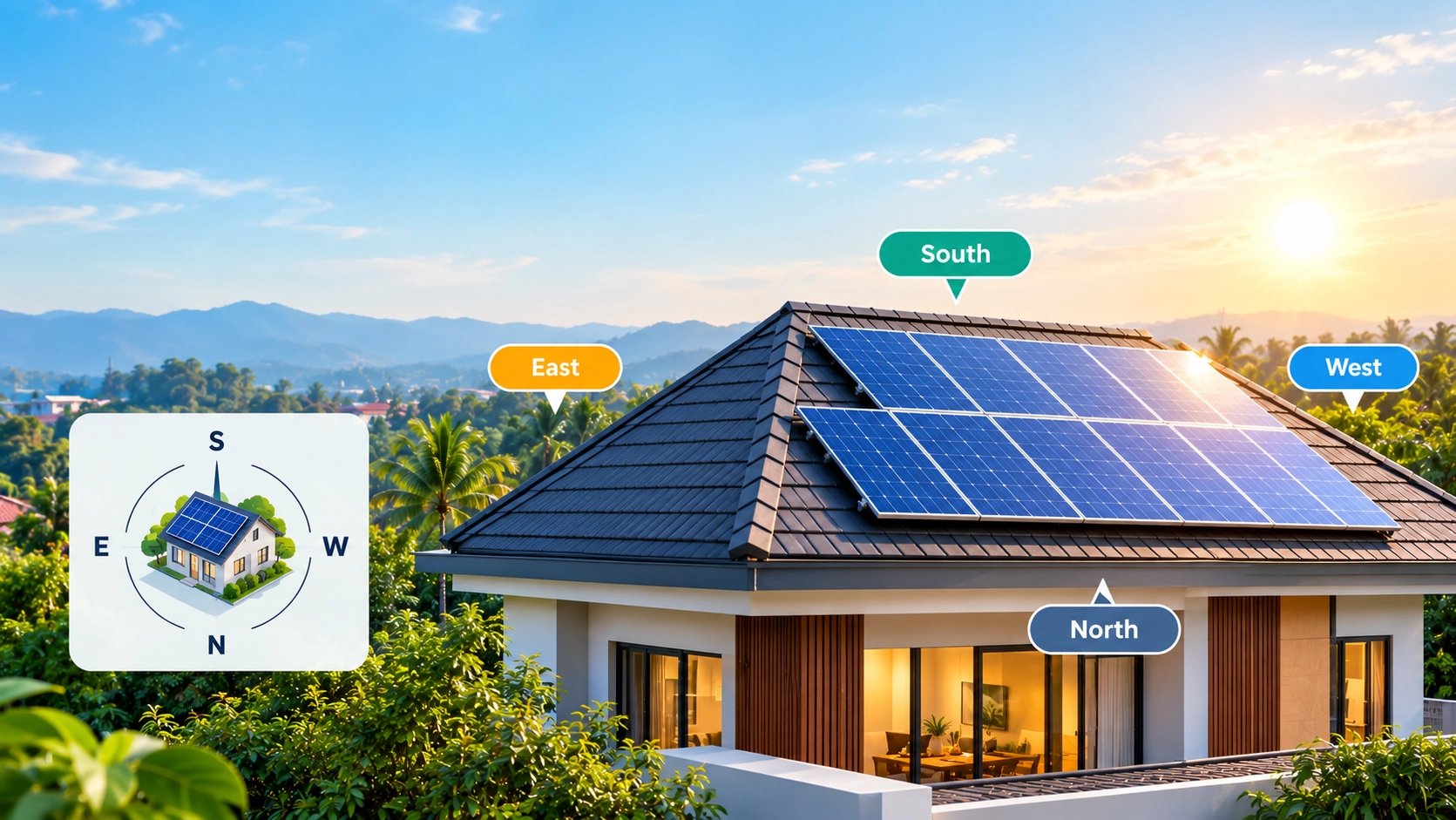
Does Roof Direction Affect Solar Panel Performance?
Oct 13, 2026
Best Solar Panels for Small Rooftops: How to Maximise Solar Power
Oct 12, 2026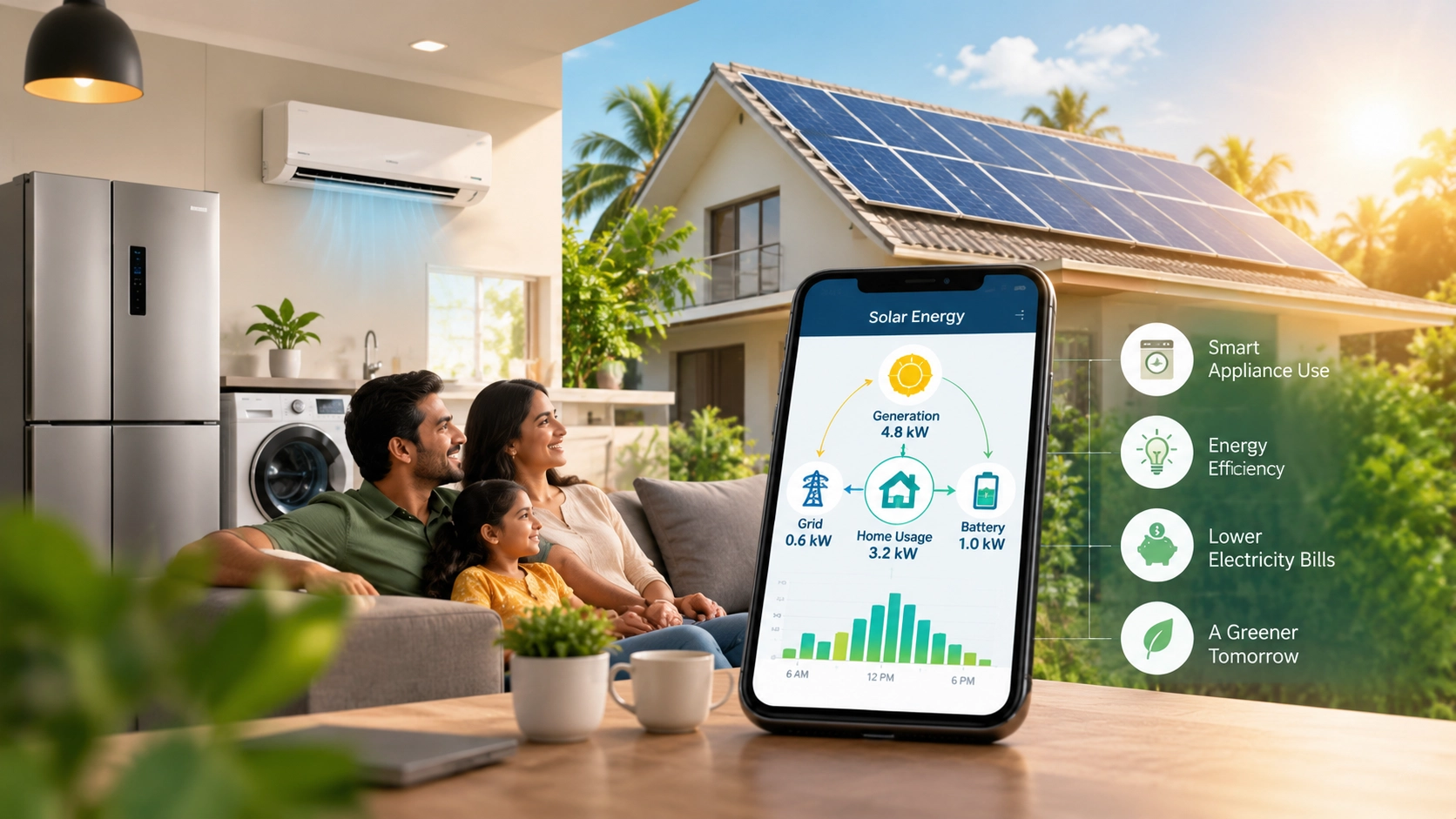
Solar Energy for Home: How Everyday Appliance Habits Influence Solar Savings
Oct 10, 2026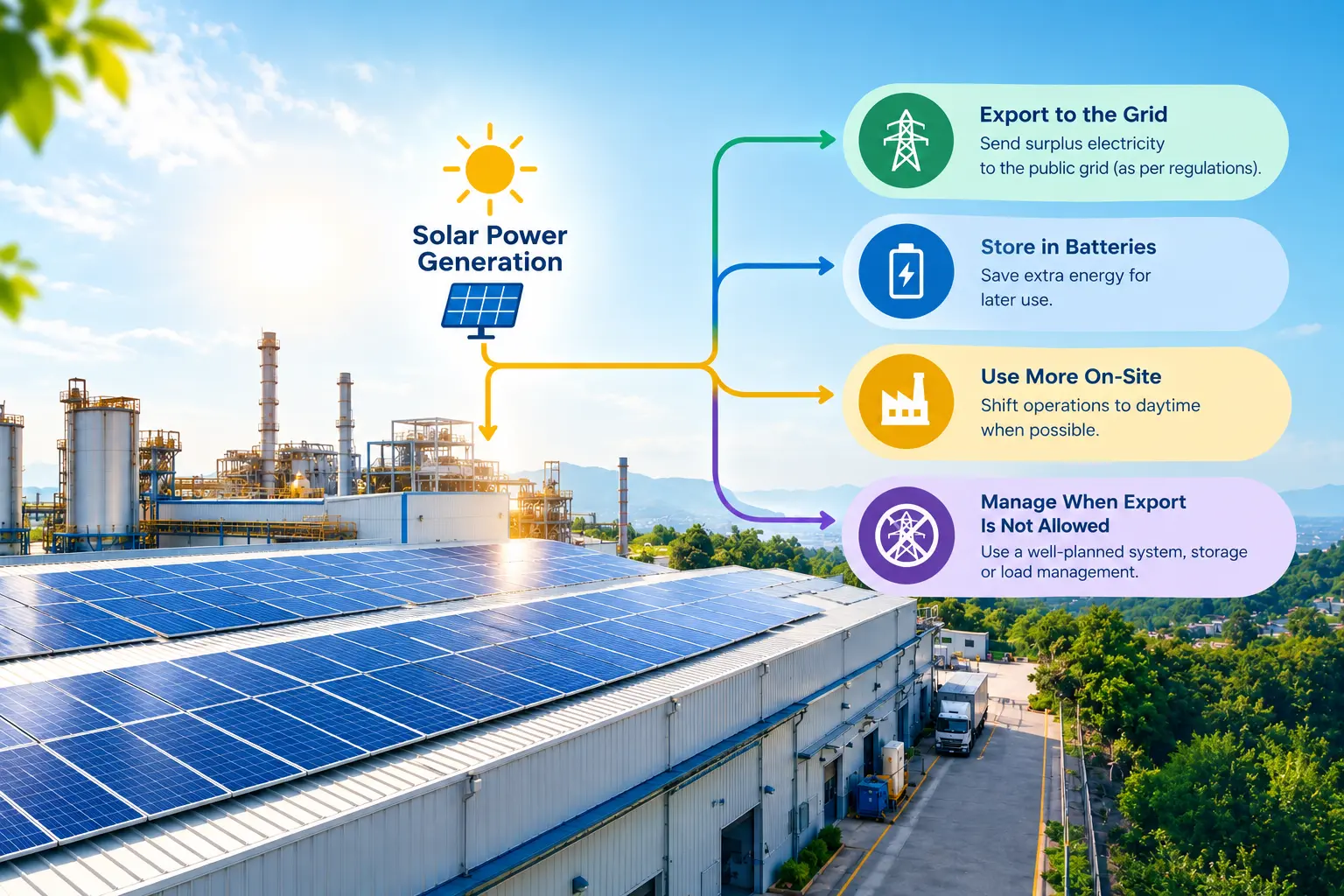
What Happens to Excess Solar Power Generated by an Industrial Solar System?
Oct 09, 2026
Can an Off-Grid Solar System Power Your Entire Home?
Oct 08, 2026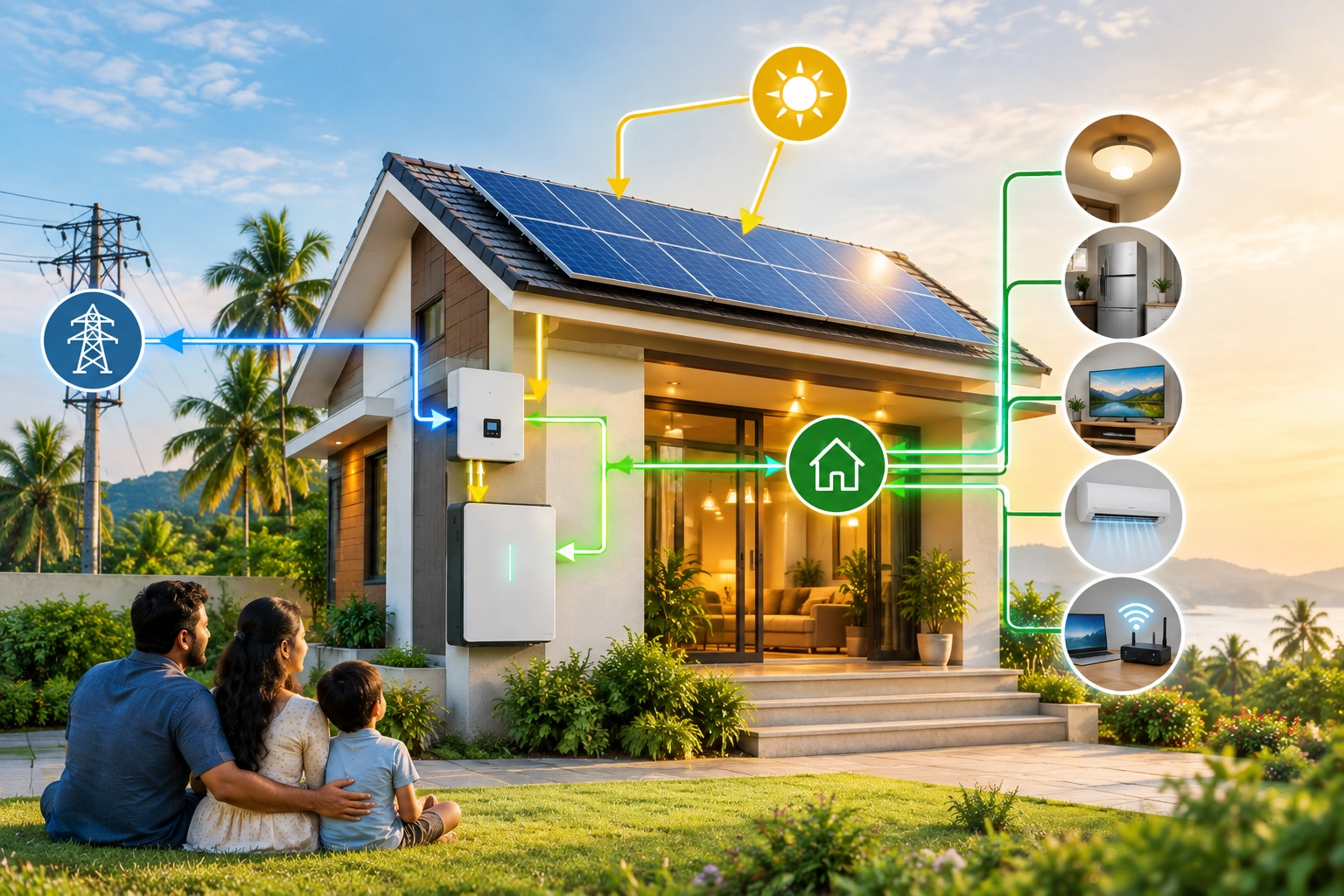
Is a Hybrid Solar System Worth the Investment in Kerala?
Oct 07, 2026Switch to Solar Today!
Save up to 90% on electricity bills with Allsun Nature's customized rooftop solar solutions.
Get Free Quote