


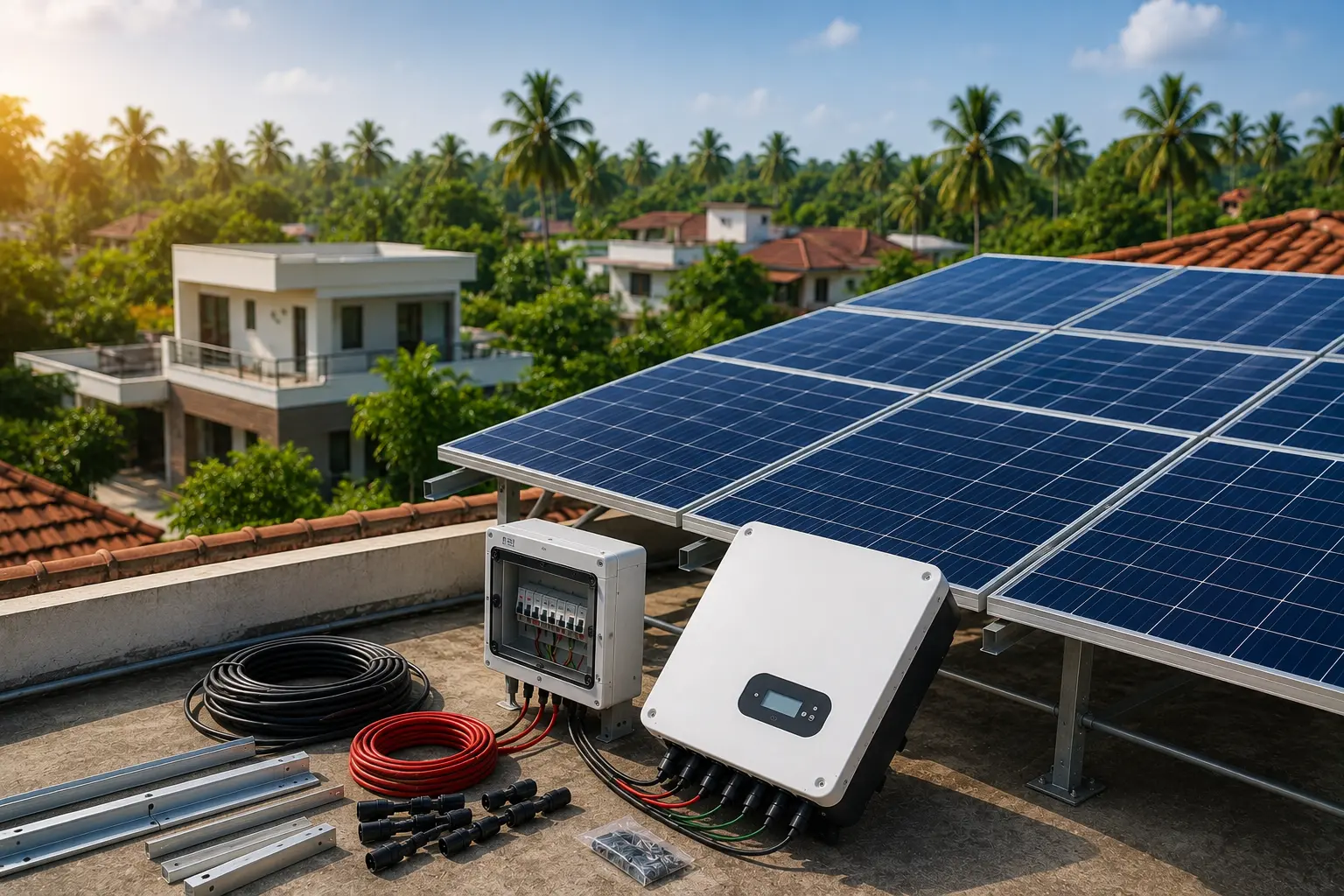
With electricity bills becoming a growing concern for many households, homeowners across Kerala are increasingly turning to rooftop solar systems as a smart, long-term solution. Besides reducing monthly electricity expenses, solar energy offers clean, renewable power and helps protect against future increases in electricity tariffs.
One of the biggest advantages of installing solar panels today is the availability of government subsidies, which significantly reduce the initial investment. For eligible residential consumers, these financial incentives make switching to solar more affordable and improve the return on investment.
However, many homeowners still have questions:
- Am I eligible for a solar subsidy?
- How do I apply online?
- What is KSEB's role?
- How much does a 3kW or 5kW solar system cost after subsidy?
If you're planning a rooftop solar installation, this guide answers these common questions and explains everything you need to know before making your investment.
Why Solar Energy Is Becoming Popular in Kerala
Kerala's favorable climate and increasing awareness of renewable energy have made rooftop solar one of the most practical investments for homeowners. With sufficient sunlight throughout the year, solar panels can generate a substantial portion of a household's electricity needs, helping families reduce dependence on conventional power.
In addition to lowering electricity bills, a well-designed solar system offers long-term reliability, minimal maintenance, and contributes to a cleaner environment.
How Does the Solar Subsidy Help Homeowners?
Installing a solar power system involves an upfront investment, but government subsidies help reduce this cost for eligible residential consumers. As a result, homeowners can recover their investment more quickly through monthly savings on electricity bills.
Combined with the long lifespan of modern solar panels, the subsidy makes rooftop solar one of the most cost-effective home improvements available today.
Things to Know Before Applying
Before applying for a solar subsidy, homeowners should consider:
- Their average monthly electricity consumption.
- Available shadow-free roof space.
- The right solar system capacity.
- Choosing quality solar panels and inverters.
- Working with an experienced installation company.
- Understanding the latest subsidy guidelines and approval process.
Proper planning helps ensure better system performance and maximizes long-term savings.
Choosing the Right Solar System Size
Selecting the correct system size is just as important as receiving the subsidy. A system that is too small may not meet your electricity requirements, while an oversized system may not provide the best return on investment.
Professional installers typically evaluate your electricity bills, roof dimensions, and future energy needs before recommending the most suitable capacity for your home.
Why Professional Installation Matters
Even the best solar panels cannot perform efficiently if they are installed incorrectly. Professional installation ensures proper panel orientation, safe electrical connections, compliance with local regulations, and optimal energy generation throughout the year.
Choosing an experienced solar company also simplifies documentation, approvals, and post-installation support.
Make the Most of Your Solar Investment
Government subsidies make rooftop solar more affordable, but the true value of your investment depends on choosing the right products, system design, and installation partner. High-quality components, expert workmanship, and ongoing support can significantly improve your system's performance and lifespan.
If you're considering rooftop solar for your home in Kerala, consulting experienced professionals can help you select the right system, understand the subsidy process, and maximize your long-term savings.
Contact Allsun Nature for Solar panel installations
Frequently Asked Questions
Recent Blogs

Best Solar System for a 2BHK, 3BHK or 4BHK Home in Calicut
Sep 17, 2026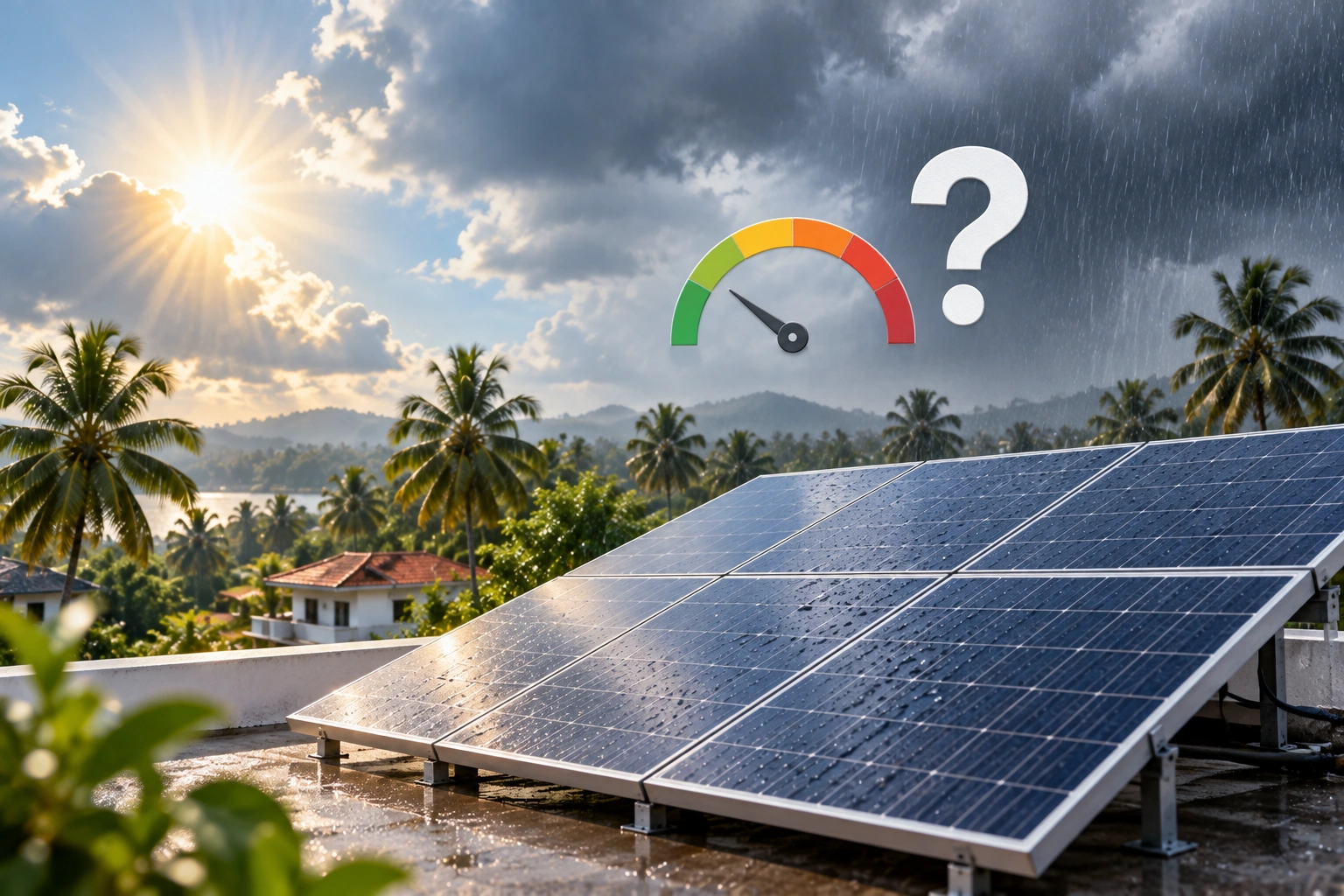
Why Is My Solar Panel Generating Less Power in Kerala?
Sep 16, 2026
Not All Solar Systems Are the Same: Find the Right One for Your Calicut Property
Sep 15, 2026
Kerala’s Power Crisis: Can Solar Help Homes Cope With Rising Power Cuts?
Sep 14, 2026
3kW vs 5kW Solar System for Kerala Homes: Cost, Power Generation & AC Usage
Sep 14, 2026
Solar Panel Installation in Kerala: Cost, Process, Subsidy & How to Choose the Right Company
Sep 11, 2026
How to Choose the Right Solar System Size for Your Home in Calicut
Sep 10, 2026
Solar Panel Maintenance in Kerala: A Homeowner's Guide for Coastal Cities
Sep 09, 2026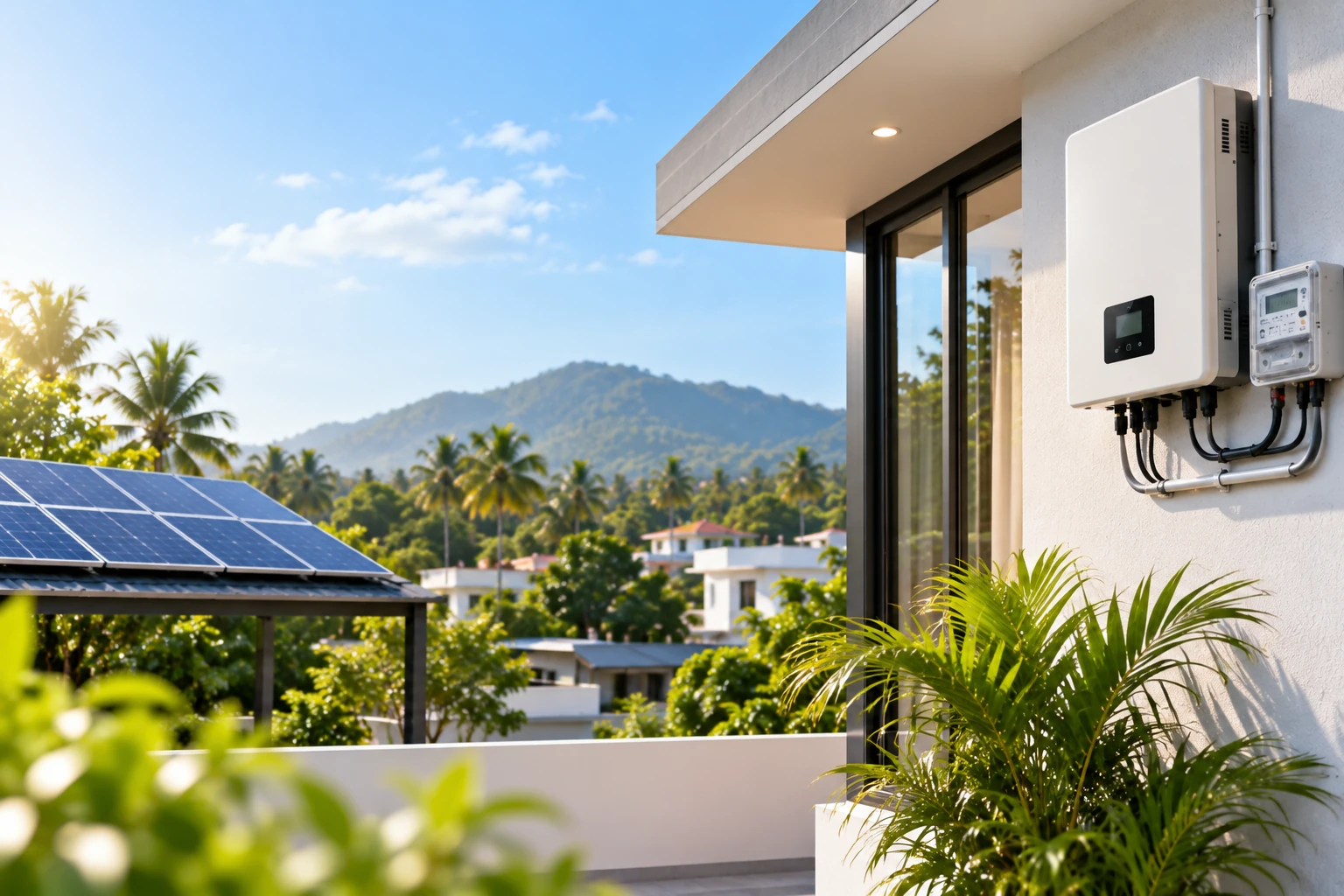
On-Grid Solar System in Kerala: How It Works, Cost, Benefits & KSEB Connection
Sep 08, 2026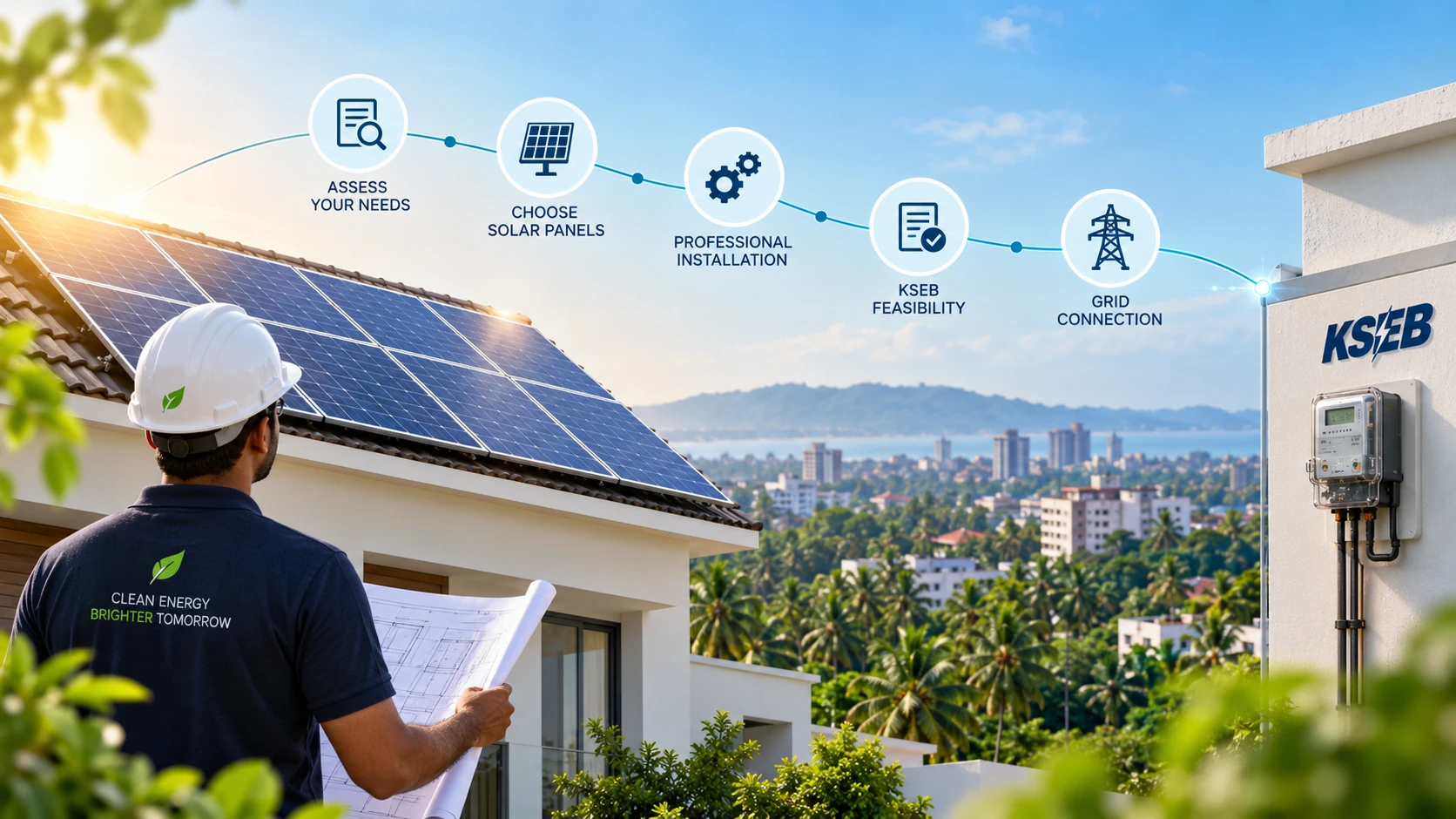
Solar Installation in Calicut: From Panel Selection to KSEB Connection
Sep 08, 2026Switch to Solar Today!
Save up to 90% on electricity bills with Allsun Nature's customized rooftop solar solutions.
Get Free Quote