

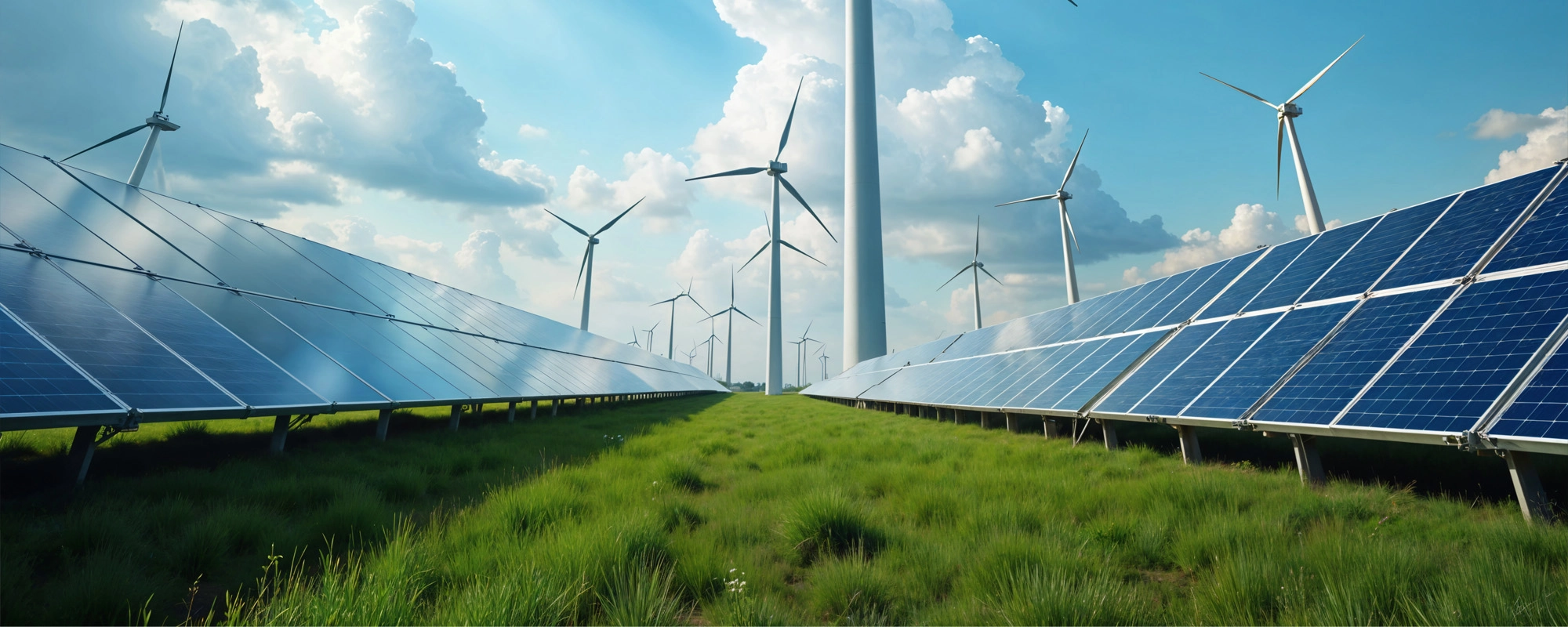

Kerala receives plenty of sunlight throughout the year, making rooftop solar a practical option for many homes and businesses. As electricity consumption continues to change with the use of air conditioners, electric vehicles, home appliances and other devices, many property owners are looking for ways to manage their long-term energy needs more efficiently.
Rooftop solar is not simply about installing panels on a roof. It is a long-term decision that involves understanding your electricity usage, available roof space, system capacity, future requirements and the way your solar system will work with the electricity grid.
For homeowners planning to move towards cleaner energy, proper planning at the beginning can make the entire solar journey easier and more useful in the years ahead.
Why Consider Rooftop Solar in Kerala?
Electricity requirements can change over time. A family may start with basic household appliances and later add an air conditioner, water heater, induction stove, electric vehicle charger or other high-consumption equipment.
A properly planned rooftop solar system can help generate electricity from sunlight and reduce dependence on electricity purchased from the grid. The actual savings depend on factors such as system size, electricity consumption, roof conditions, sunlight availability, equipment quality and applicable electricity regulations.
Kerala's residential rooftop solar sector has also received support through government initiatives. The PM-Surya Ghar: Muft Bijli Yojana provides Central Financial Assistance for eligible residential rooftop solar installations, subject to the applicable scheme guidelines.
Start With Your Current Electricity Usage
Before deciding on a system, look at your recent electricity bills instead of choosing a system size only based on the size of your house.
Check your monthly consumption and identify appliances that use significant amounts of electricity. If you are planning to add an EV charger, air conditioner or other major appliance in the future, include those plans when discussing the system.
This approach can help you choose a system that suits both your current needs and your expected future consumption.
For example, a household with moderate electricity usage may have different requirements from a larger home with multiple air conditioners and an electric vehicle. There is no single system size that works for every property.
Choosing the Right Solar System
The type of solar system you choose depends on how you want to use the generated electricity.
An On Grid Solar System works along with the electricity grid. Solar power generated during the day can be used by the property, while electricity can continue to be drawn from the grid when required, subject to the applicable connection and metering arrangements.
For many homes connected to the grid, this type of system can be considered when the main objective is to generate solar electricity while remaining connected to the existing power network.
Other configurations, such as hybrid systems with battery storage, may be considered when backup power and energy storage are important requirements. The right option depends on the property's electricity usage, backup expectations and budget.
Think Beyond Today's Requirements
One of the most important parts of long-term solar planning is considering how your electricity requirements may change.
Ask yourself a few simple questions:
Are you planning to purchase an electric vehicle?
Will you add more air conditioners?
Are you planning to expand your home?
Could your electricity consumption increase in the coming years?
Do you need backup power during outages?
Is battery storage something you may consider later?
These questions can help create a more practical solar plan instead of focusing only on today's electricity bill.
Is Your Roof Suitable?
Roof space is another important factor. A solar system needs suitable space with adequate exposure to sunlight. Shading from nearby buildings, trees, water tanks or other structures can affect solar generation.
The roof's structure, orientation, available area and accessibility should also be considered before installation. A professional site assessment can help identify these factors and determine how the panels can be arranged.
For homeowners looking for a solar panel for home, choosing the right equipment is only one part of the process. The overall design, placement, electrical components and installation quality also play an important role in system performance.
Quality Installation Matters
Solar panels may receive most of the attention, but a rooftop solar project involves several other components. Mounting structures, cables, inverter, protection devices and electrical connections all need to work together properly.
A carefully planned Solar Panel Installation can help ensure that the system is safely integrated with the property's electrical setup.
Installation should also consider future maintenance. Panels need to remain accessible for inspection and cleaning, while electrical components should be installed according to applicable safety requirements.
KSEB regulations and services include procedures related to rooftop renewable-energy systems, applications, interconnection and metering. The applicable process can depend on the system and consumer category, so property owners should check the current requirements before proceeding.
Choosing the Right Solar Partner
Solar is a long-term investment, so choosing an installer should involve more than comparing the initial quotation.
Look at the company's experience, system design approach, equipment specifications, installation practices, documentation and after-sales support. A good solar provider should be able to explain why a particular system size is recommended rather than simply offering a standard package.
When searching for the best solar company in kerala, homeowners can compare factors such as project experience, technical support, installation quality, warranty information and service availability before making a decision.
Maintenance and Long-Term Performance
Rooftop solar systems generally require routine attention rather than complicated daily maintenance. Keeping panels reasonably clean can help maintain their ability to receive sunlight, particularly where dust or other deposits accumulate.
It is also useful to monitor the system's performance and keep records of electricity generation. If generation changes unexpectedly, an inspection can help identify possible issues.
Regular checks can also help detect problems with electrical connections, inverter performance or other components at an early stage.
Plan Solar Around Your Future
The biggest advantage of planning rooftop solar with a long-term view is that you are not simply thinking about today's electricity bill. You are considering how your home, lifestyle and energy requirements may develop over the coming years.
A good solar plan starts with your current consumption, considers future requirements, evaluates the roof properly and selects a suitable system configuration. It should also include safe installation, appropriate documentation and dependable after-sales support.
For Kerala homeowners, rooftop solar can be part of a broader move towards smarter and more sustainable energy use. With the right planning and professional guidance, your rooftop can become a useful energy-generating space for years to come.
Plan Your Rooftop Solar Project
Thinking about installing rooftop solar for your home or business? Start by understanding your electricity consumption, roof conditions and future energy requirements. A professional assessment can help you choose a suitable system for your needs.
Plan your solar journey with Allsun Nature and take a smarter step towards long-term energy savings.
Frequently Asked Questions
Recent Blogs
EV Charging Stations Cost: What Factors Affect the Total Price?
Oct 22, 2026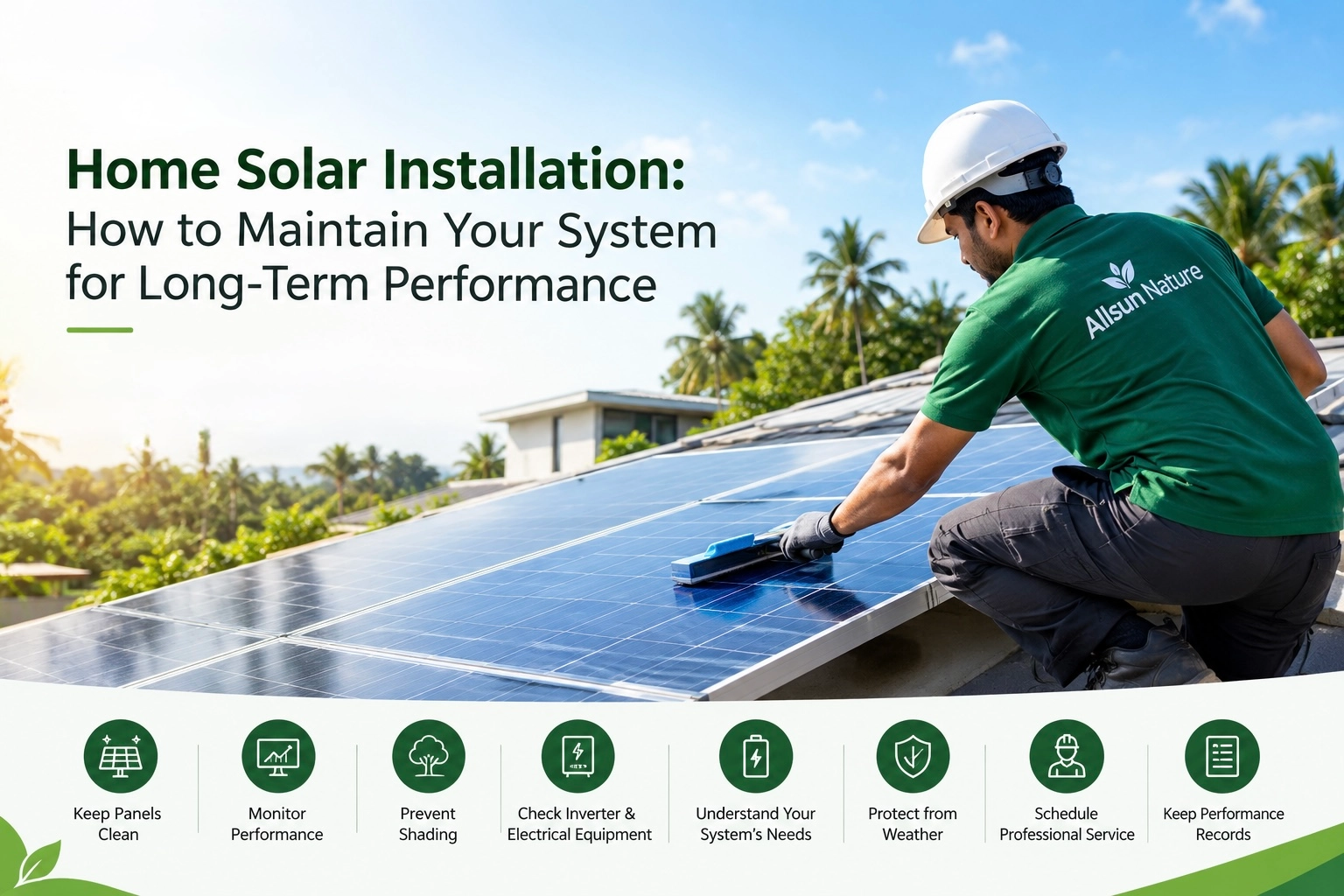
Home Solar Installation: How to Maintain Your System for Long-Term Performance
Oct 21, 2026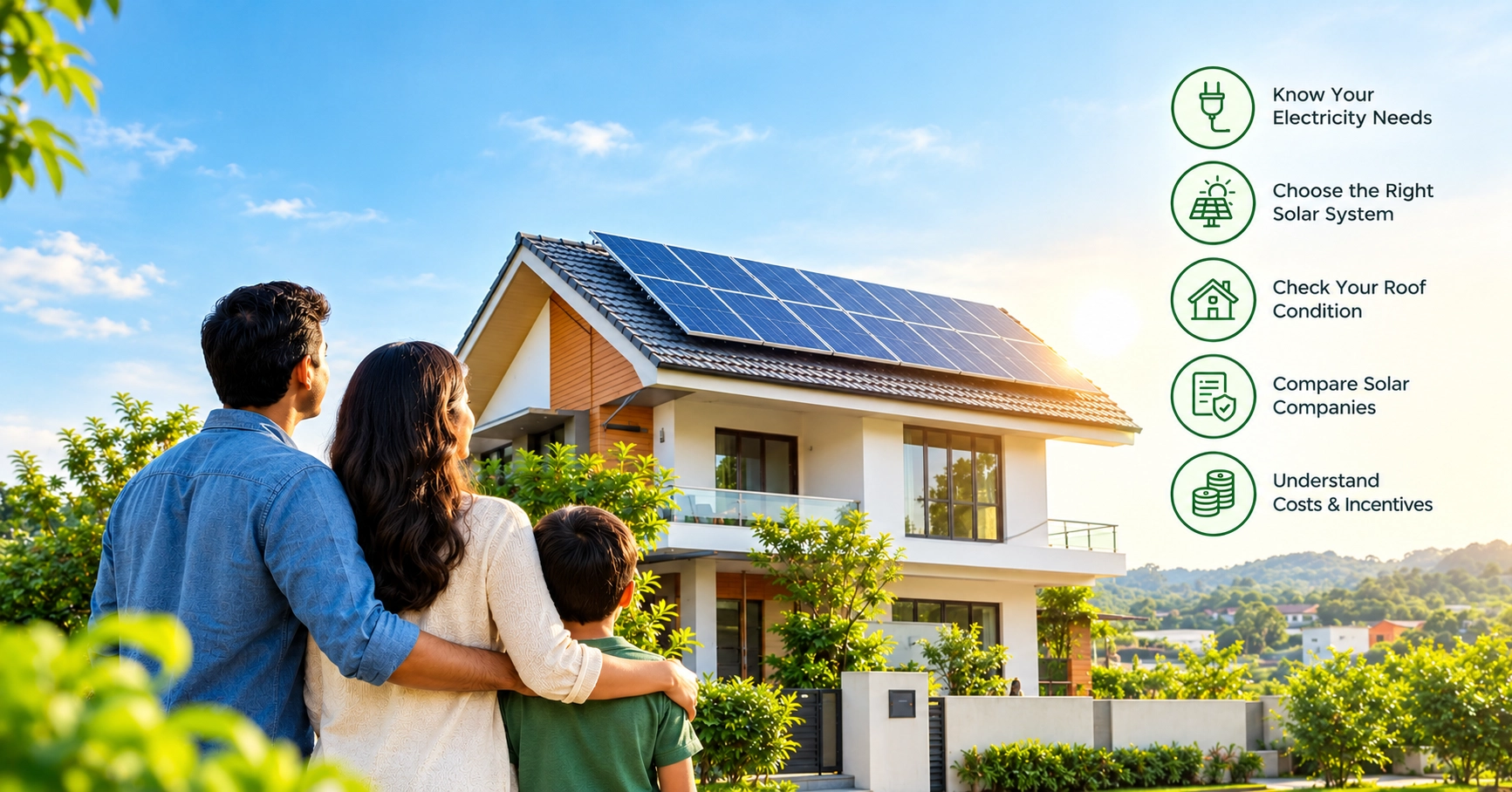
Solar Companies: What Homeowners Should Know Before Going Solar
Oct 17, 2026
Can a Home Solar Panel System Reduce Your Electricity Bill to Zero?
Oct 15, 2026
Can You Upgrade an Existing On-Grid Solar System to a Hybrid System?
Oct 14, 2026
Does Roof Direction Affect Solar Panel Performance?
Oct 13, 2026
Best Solar Panels for Small Rooftops: How to Maximise Solar Power
Oct 12, 2026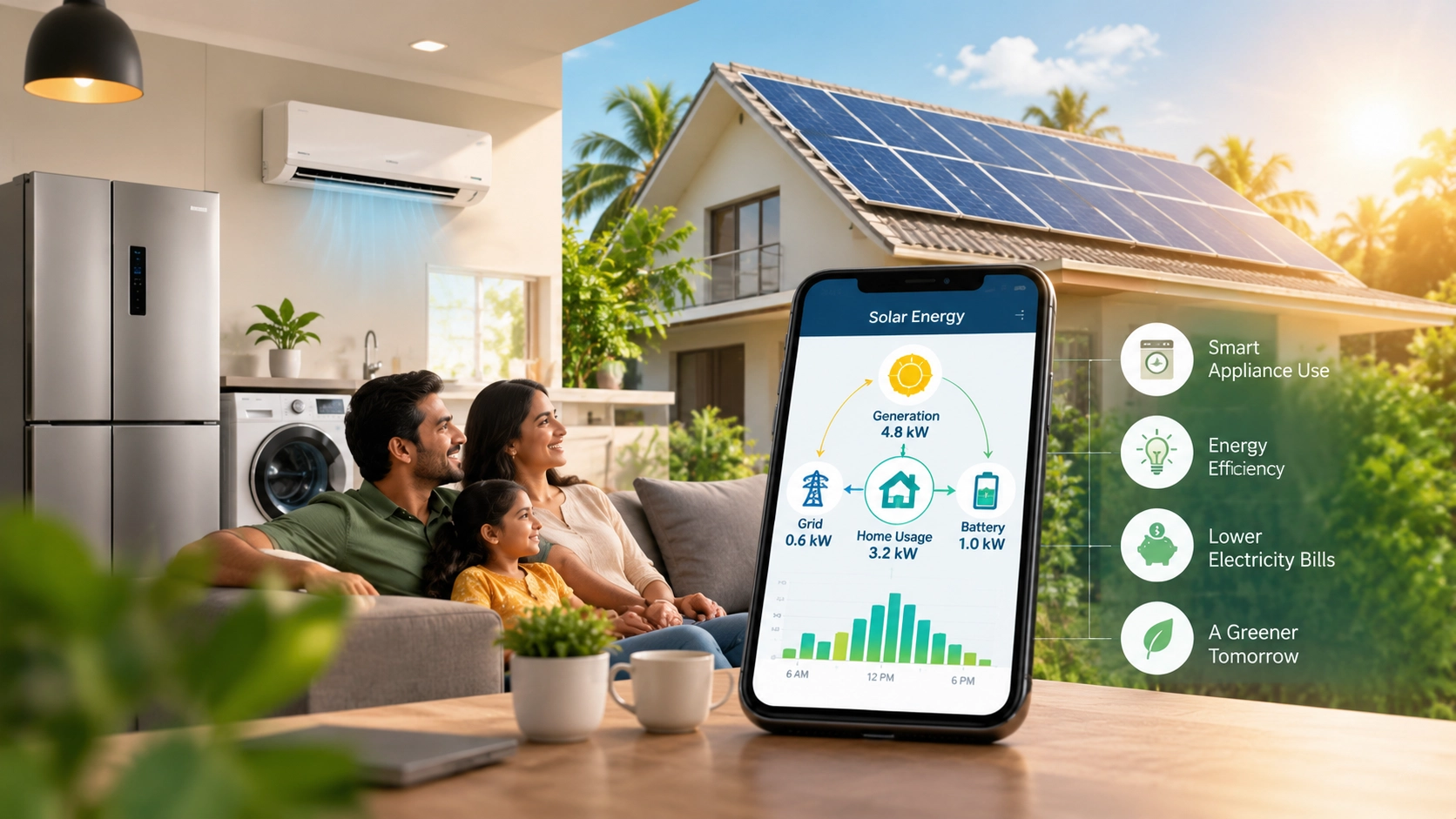
Solar Energy for Home: How Everyday Appliance Habits Influence Solar Savings
Oct 10, 2026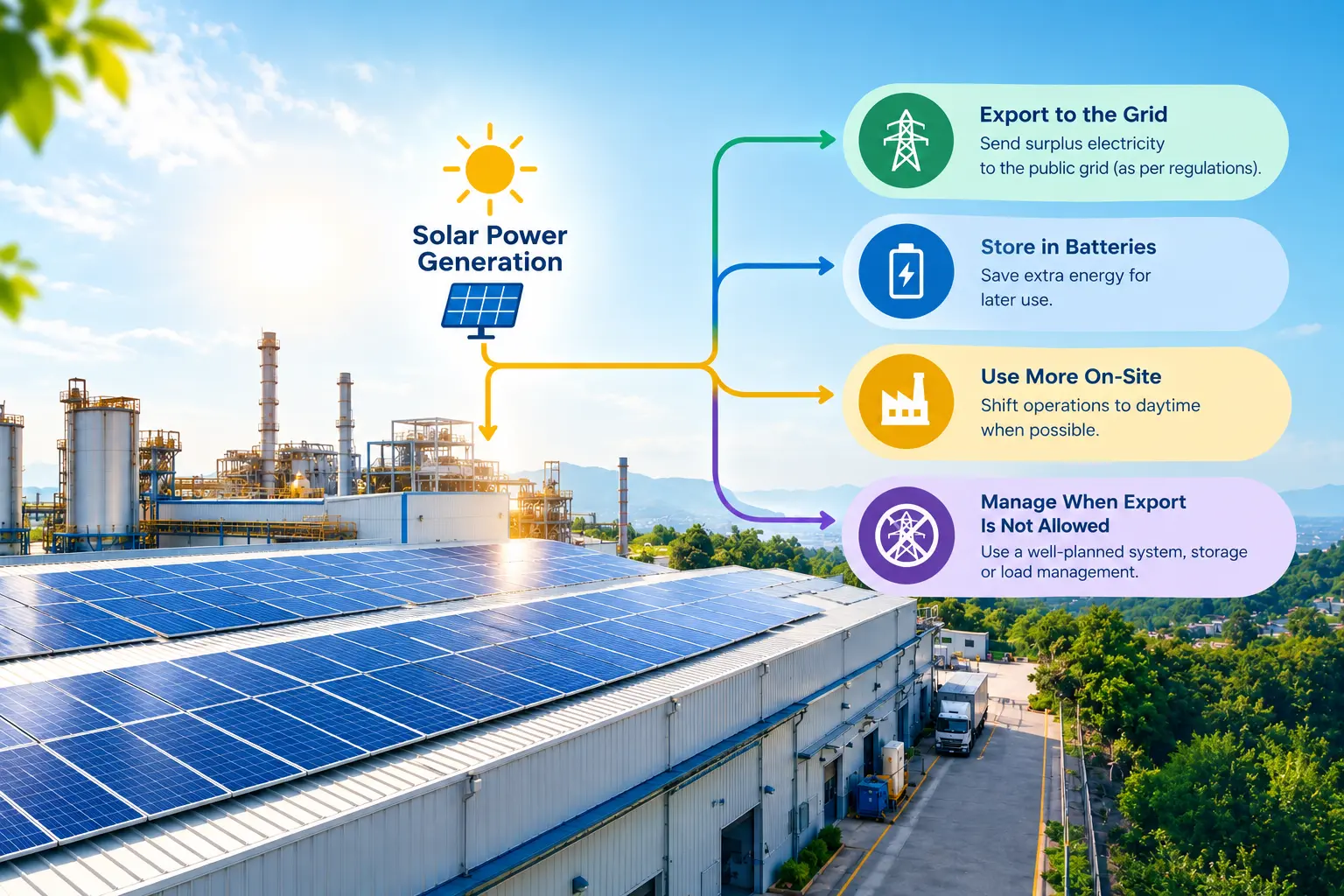
What Happens to Excess Solar Power Generated by an Industrial Solar System?
Oct 09, 2026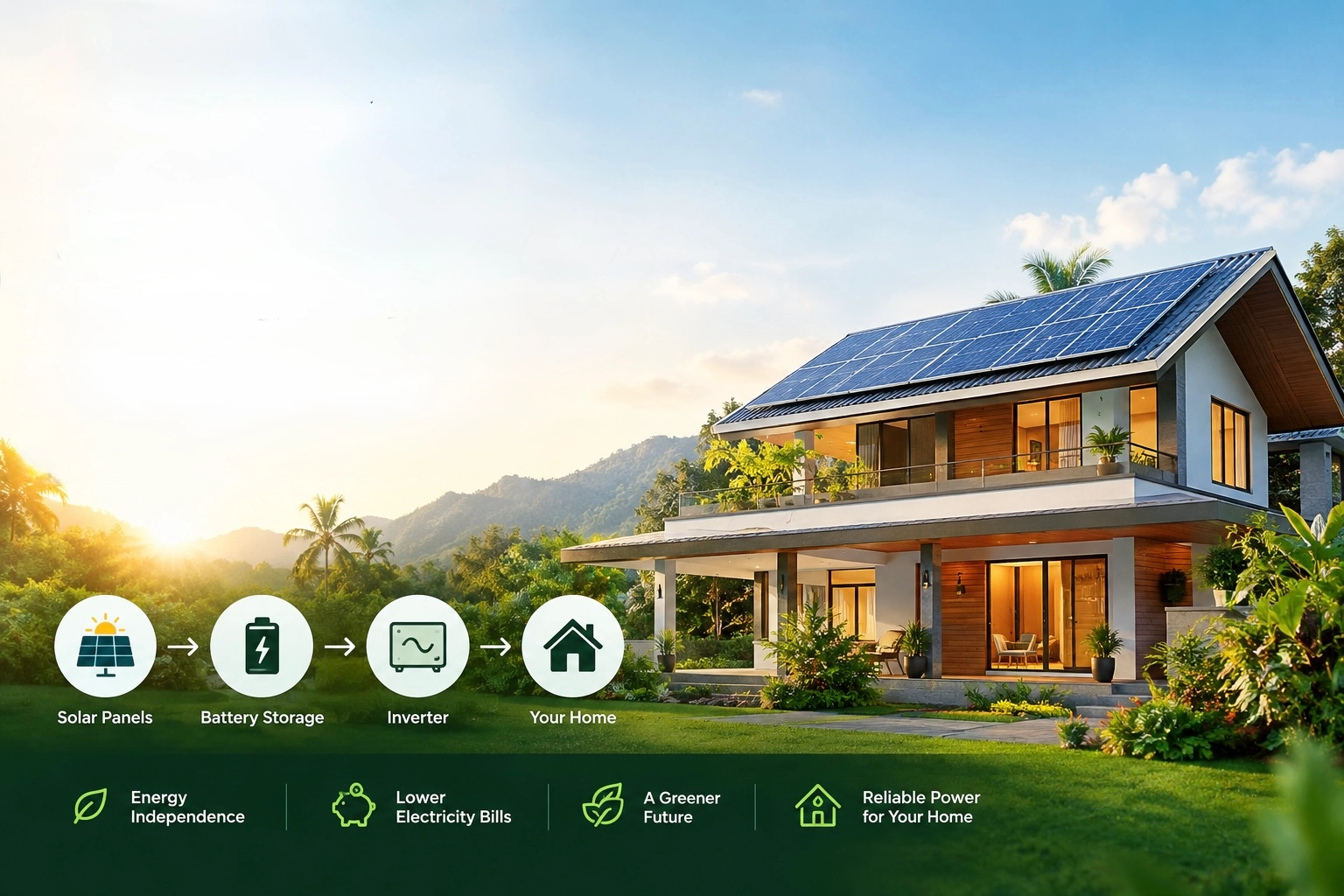
Can an Off-Grid Solar System Power Your Entire Home?
Oct 08, 2026Switch to Solar Today!
Save up to 90% on electricity bills with Allsun Nature's customized rooftop solar solutions.
Get Free Quote