


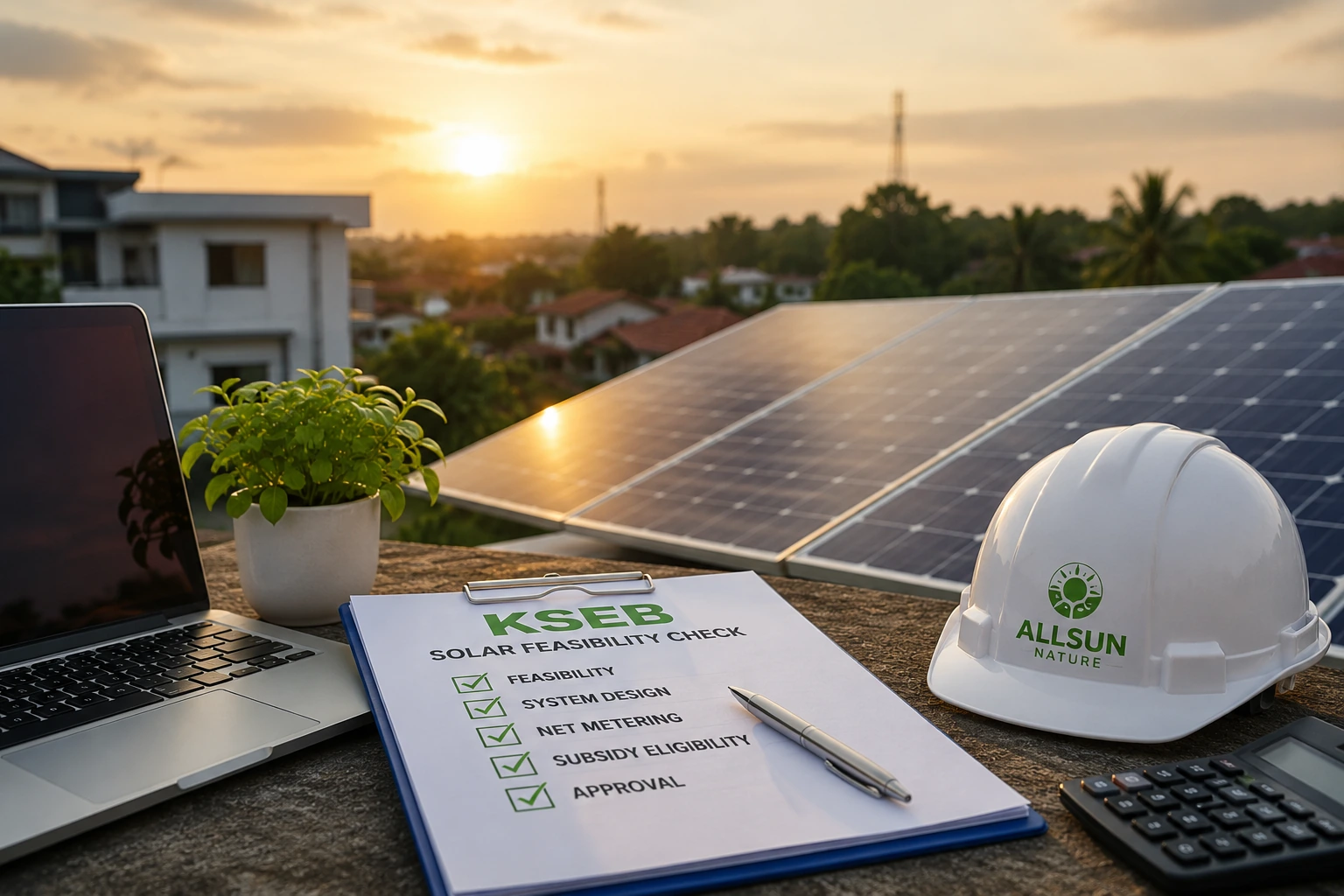
KSEB Solar Feasibility Check in Kerala: What You Need to Know Before Solar Panel Installation
If you are planning to install a solar power system for your home or business in Kerala, one of the first things to consider is the KSEB solar feasibility check. Before your solar system can be connected to the Kerala State Electricity Board (KSEB) network, the available electrical infrastructure and connection capacity need to be assessed.
Understanding the KSEB feasibility check, solar registration, meter requirements and other important steps can help you avoid delays and make your solar panel installation in Kerala smoother.
What Is a KSEB Solar Feasibility Check?
A KSEB solar feasibility check determines whether your existing electricity connection and local distribution network can support the proposed solar power system.
When you apply for a rooftop solar system, details such as your existing electrical connection, proposed solar capacity and the capacity available in the local network may be considered.
The feasibility process is particularly important for homeowners planning an On Grid Solar System, as the generated electricity may be connected to the KSEB electricity network.
Why Is KSEB Feasibility Important Before Solar Installation?
Installing solar panels for homes involves more than simply placing panels on your rooftop. The solar system also needs to work safely with your existing electrical connection.
A feasibility check helps determine:
- Whether the proposed solar capacity can be connected
- Whether the existing connection is suitable
- Whether any technical requirements need to be addressed
- Whether additional approval or modifications may be required
- What type of meter arrangement may be applicable
Therefore, checking KSEB solar feasibility before proceeding with installation can help you plan your home solar panel system properly.
How Does the KSEB Solar Feasibility Check Work?
The exact process can depend on the type and capacity of the proposed solar system and the applicable KSEB procedures.
Generally, the process involves submitting the required solar connection application and system details. KSEB then evaluates the proposed connection based on the relevant technical requirements and network conditions.
Once feasibility is confirmed, the installation and subsequent approval process can proceed according to the applicable requirements.
A professional solar company can also help homeowners understand the application process and prepare the required system information.
KSEB Solar Registration After Feasibility
After the feasibility stage, the next steps involve the registration and approval process for connecting the solar system to the electricity network.
For homeowners, this may involve providing information such as:
- Electricity consumer details
- Proposed solar capacity
- Solar system specifications
- Inverter details
- Required application documents
- Installation-related information
The requirements can vary depending on the project and current KSEB procedures, so it is advisable to check the latest requirements before submitting an application.
What About KSEB Solar Meter Availability?
The electricity meter is an important part of a grid-connected solar installation.
Depending on the approved solar connection and applicable metering arrangement, a suitable meter may be required to measure electricity flow between the solar system, home and grid.
This is why KSEB solar meter availability is another important consideration when planning your installation.
Your solar installer can help coordinate the installation and approval stages and explain what meter arrangement applies to your system.
How Does KSEB Solar Rate Per Unit Work?
One common question from homeowners is: “How much will KSEB pay for the electricity generated by my solar system?”
The answer depends on the applicable electricity regulations, tariff structure and the type of solar connection or metering arrangement.
Instead of assuming a fixed KSEB solar rate per unit, homeowners should verify the current applicable tariff and settlement mechanism at the time of installation.
This is particularly important when calculating the potential savings and payback period of your solar panel system for home.
Is KSEB Subsidy Available for Solar?
Solar subsidy is another major consideration for homeowners in Kerala.
Eligible residential consumers may be able to benefit from government-supported rooftop solar subsidy schemes, subject to the applicable eligibility criteria, capacity limits and current guidelines.
However, subsidy rules and amounts can change. Therefore, homeowners should verify the latest official requirements before making a financial decision.
It is also important to understand that solar subsidy and KSEB's electricity billing or grid-connection process are related but separate aspects of installing a rooftop solar system.
Which Solar System Is Suitable for Your Home?
The KSEB feasibility and connection requirements can also influence how you approach your solar installation.
On-Grid Solar System
An On Grid Solar System is connected to the electricity grid and is commonly considered by homeowners who want to reduce their electricity bills through solar generation.
Hybrid Solar System
A Hybrid Solar System combines solar generation with battery storage and grid connectivity. It can be useful for homeowners who want backup power along with solar energy generation.
Off-Grid Solar System
An Off Grid Solar System operates independently of the electricity grid and generally relies on batteries to store solar energy for use when required.
The right option depends on your electricity consumption, backup requirements, budget and property conditions.
What Should You Check Before Solar Panel Installation in Kerala?
Before starting your solar panel installation in Kerala, consider these important factors:
1. Electricity consumption
Check your average monthly electricity usage to determine an appropriate system size.
2. Rooftop condition
Make sure the roof has sufficient space and receives adequate sunlight.
3. Solar system type
Compare on-grid, hybrid and off-grid options based on your requirements.
4. KSEB feasibility
For grid-connected systems, check whether the proposed system can be connected to the electricity network.
5. Solar panel quality
Choose reliable and suitable solar panels rather than selecting a system based only on price.
6. Inverter and other equipment
The inverter, mounting structure, protection equipment and other components are equally important.
7. Installation quality
Proper installation is essential for the safety, performance and long-term reliability of your solar system.
8. Warranty and after-sales service
Choose a solar company that can provide proper support after installation.
How to Choose the Best Solar Company in Kerala?
Choosing the right installer can make the entire process easier.
When comparing solar companies, look beyond the initial quotation. Consider:
- Experience in residential solar installations
- Quality of solar panels and equipment
- Installation standards
- Warranty support
- KSEB application assistance
- After-sales service
- Maintenance support
- Transparency in pricing
The best solar company in Kerala for your project should be one that understands your electricity requirements and provides a complete solution rather than simply selling solar panels.
Final Thoughts
A KSEB solar feasibility check is an important step to understand before proceeding with a grid-connected solar installation in Kerala. From feasibility and registration to meter arrangements and applicable subsidy schemes, understanding the process can help homeowners make better decisions.
Whether you are considering solar panels for your home, an on-grid system or a hybrid solar system, choosing the right equipment and an experienced installation partner is equally important.
With proper planning, a well-designed home solar panel system can help you make better use of renewable energy while reducing your dependence on conventional electricity.
Planning to Install Solar in Kerala?
Get the right solar solution for your home with expert guidance from Allsun Nature — from system selection to installation.
Get a Free Solar ConsultationFrequently Asked Questions
Recent Blogs

Best Solar System for a 2BHK, 3BHK or 4BHK Home in Calicut
Sep 17, 2026
Why Is My Solar Panel Generating Less Power in Kerala?
Sep 16, 2026
Not All Solar Systems Are the Same: Find the Right One for Your Calicut Property
Sep 15, 2026
Kerala’s Power Crisis: Can Solar Help Homes Cope With Rising Power Cuts?
Sep 14, 2026
3kW vs 5kW Solar System for Kerala Homes: Cost, Power Generation & AC Usage
Sep 14, 2026
Solar Panel Installation in Kerala: Cost, Process, Subsidy & How to Choose the Right Company
Sep 11, 2026
How to Choose the Right Solar System Size for Your Home in Calicut
Sep 10, 2026
Solar Panel Maintenance in Kerala: A Homeowner's Guide for Coastal Cities
Sep 09, 2026
On-Grid Solar System in Kerala: How It Works, Cost, Benefits & KSEB Connection
Sep 08, 2026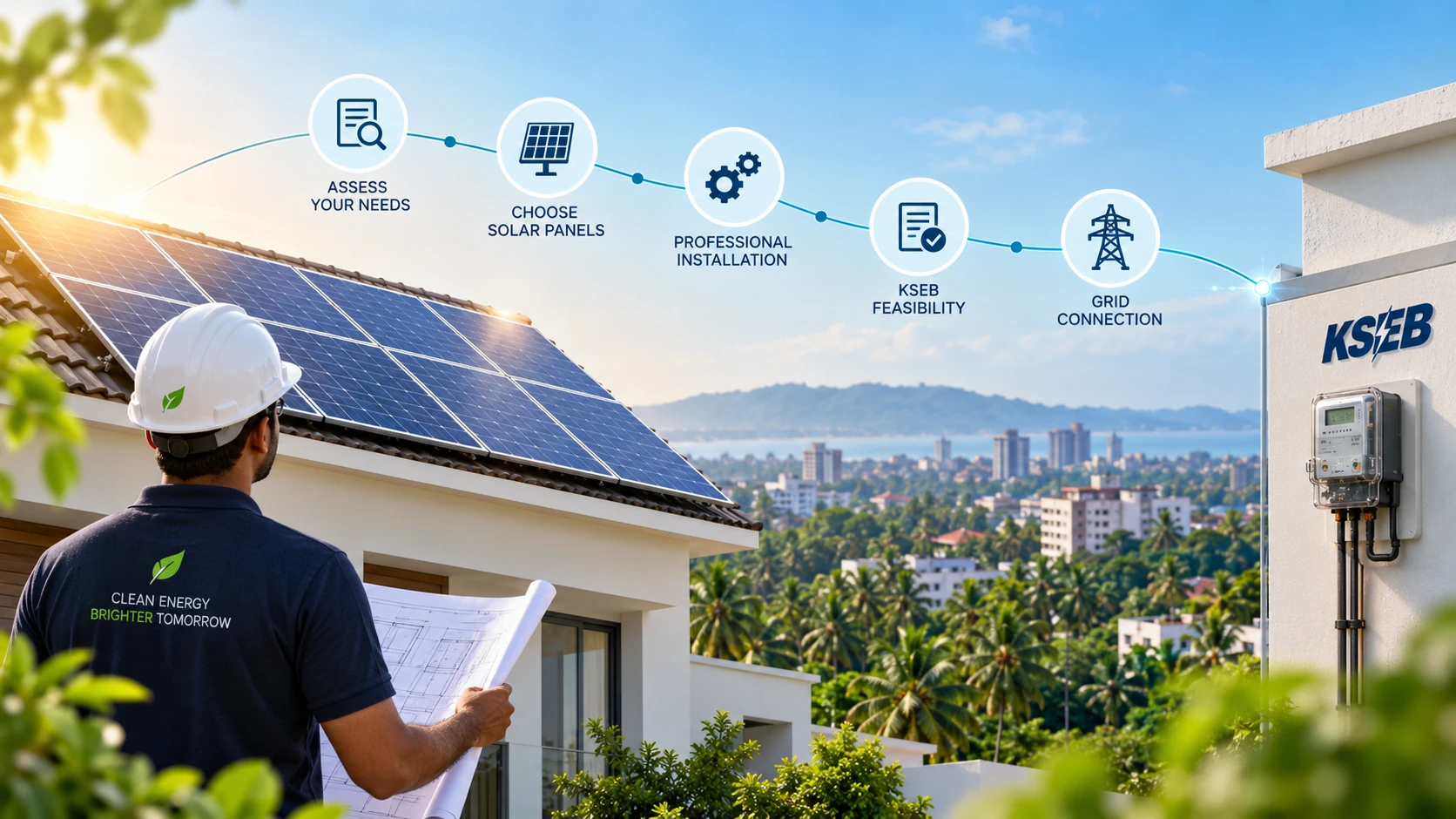
Solar Installation in Calicut: From Panel Selection to KSEB Connection
Sep 08, 2026Switch to Solar Today!
Save up to 90% on electricity bills with Allsun Nature's customized rooftop solar solutions.
Get Free Quote