



Solar power is becoming a practical choice for homeowners looking to reduce electricity expenses and use energy more sustainably. A Solar System in Kozhikode can help households generate clean electricity, rely less on the grid, and manage long-term energy costs. The right setup depends on your roof space, daily electricity usage, and budget.
A well planned solar installation can make better use of sunlight while supporting more energy efficient living.
This guide explains the key factors to consider before installing solar panels at your home in Kozhikode.
Why Consider Solar Energy for Your Home?
Solar panels convert sunlight into electricity that can be used to power household appliances such as lights, fans, refrigerators, televisions, and air conditioners.
Kozhikode receives sunlight throughout the year, making rooftop solar a practical option for many residential properties. Although cloud cover and monsoon weather can affect daily generation, a properly designed system can continue producing electricity under different weather conditions.
Some key benefits of residential solar energy include:
Lower electricity bills: Generate part of your household's electricity instead of purchasing all of it from the grid.
Renewable energy: Use sunlight to produce electricity without directly releasing greenhouse gases during generation.
Long-term value: Solar panels can provide electricity for many years when properly installed and maintained.
Greater energy awareness: Monitoring your solar generation helps you understand and manage household electricity consumption.
A suitable Solar System in Kozhikode can support these benefits when its capacity matches your home's energy requirements.
Understanding Different Types of Home Solar Systems
Before choosing a system, it is important to understand the three main residential solar options.
1. On-Grid Solar System
An on-grid solar system is connected to the local electricity grid. Solar panels generate electricity during daylight hours, and your home uses the available solar power first.
When solar generation exceeds household demand, surplus electricity may be exported to the grid, subject to the applicable net-metering or other utility arrangements. When solar production is insufficient, electricity is drawn from the grid.
This option is suitable for homeowners who want to reduce electricity bills without investing in battery storage. However, standard grid-connected systems generally shut down during a power outage for safety reasons.
2. Off-Grid Solar System
An off-grid solar system operates independently of the electricity grid and typically uses batteries to store energy for later use. For homeowners considering a Solar System in Kozhikode, this option can be useful for properties with limited or unreliable grid access.
However, the system must be carefully sized to meet household demand, including nighttime usage and periods of low sunlight.
Battery capacity, backup requirements, and seasonal solar generation are important considerations when choosing this option.
3. Hybrid Solar System
A hybrid solar system combines solar panels, grid connectivity, and battery storage. It can supply daytime electricity, store excess energy, and provide backup power during outages when configured appropriately.
For households that experience frequent power interruptions or need backup for essential appliances, a hybrid system may be worth considering. Its cost depends on the solar capacity, battery size, inverter, and backup requirements.
How to Choose the Right Solar Capacity
The ideal capacity depends on how much electricity your family uses and how much sunlight your rooftop receives. Selecting a system that is too small may limit savings, while an oversized system may increase the initial investment without providing proportional benefits.
Start by reviewing your recent electricity bills. Check your monthly consumption in kilowatt-hours (kWh), also called units.
Consider these factors:
Monthly electricity consumption: Review your usage over several months to understand your average demand.
Appliance usage: Account for air conditioners, water heaters, refrigerators, pumps, and other high-consumption appliances.
Available rooftop space: Ensure there is enough suitable area for panels without excessive shading.
Future requirements: Consider whether you plan to add appliances or an electric vehicle.
Budget and backup needs: Decide whether you need battery storage or only grid-connected solar generation.
A professional assessment can help estimate the capacity that suits your household. The right Solar System in Kozhikode should be designed around actual energy consumption rather than a standard package alone.
What to Check Before Installing Rooftop Solar
Your roof plays an important role in determining solar performance. Before proceeding with installation, evaluate the following:
Roof direction and sunlight
The direction and angle of the panels influence how much sunlight they receive. The installer should assess the roof orientation and recommend a suitable panel arrangement for local conditions.
Shading
Trees, nearby buildings, water tanks, and other structures can cast shadows on solar panels. Even partial shading may affect system output, so shading should be assessed throughout the day.
Roof condition
The roof should be structurally sound and capable of supporting the installation. If repairs or waterproofing are needed, completing them before installation can help avoid future disruption.
Weather and maintenance
Kozhikode experiences heavy monsoon rainfall and humid conditions, so choosing the right components is important for a Solar System in Kozhikode. Ensure the installation includes suitable mounting structures, proper cable management, and weather protection to help the system perform reliably in local conditions.
Understanding Solar Panel Installation in Kozhikode
A reliable Solar Panel Installation process begins with a site inspection and energy assessment. The installer evaluates your electricity consumption, rooftop suitability, and preferred system type before recommending a design.
The typical process includes:
Site assessment: Inspect the roof, shading, electrical infrastructure, and available installation area.
System design: Determine panel capacity, inverter specifications, and battery requirements if needed.
Approvals and documentation: Complete applicable utility applications and approvals for the selected system.
Installation: Mount the panels, install the inverter, and connect the electrical components according to safety requirements.
Testing and commissioning: Verify system operation, safety protections, and monitoring functions.
Customer guidance: Explain system operation, maintenance, and how to monitor electricity generation.
Choosing experienced professionals helps ensure that the system is designed and installed according to relevant technical and safety requirements.
How Much Does a Home Solar System Cost?
The cost of a Solar System in Kozhikode varies depending on several factors, so a site-specific quotation is more useful than relying on a single general price.
The main cost factors include:
Solar system capacity
Panel type and quality
Inverter specifications
Battery storage, if required
Mounting structures and roof complexity
Installation, wiring, and electrical work
Applicable approvals and available subsidies
Homeowners should compare quotations carefully. Check whether the price includes installation, electrical components, monitoring, warranty details, and any required documentation.
Government subsidies may be available for eligible residential installations under applicable schemes. Since eligibility, subsidy amounts, and application procedures can change, verify the latest information through official government or utility channels before making a financial decision.
How to Choose a Reliable Solar Installer
Comparing Solar Companies is an important step in making a confident investment. Instead of choosing based on price alone, evaluate the quality of the proposed system and the support offered after installation.
Look for an installer that:
Conducts a proper site inspection before recommending capacity
Explains system options and expected performance clearly
Provides transparent quotations and product specifications
Offers clear warranty and after-sales service information
Follows applicable electrical safety and installation standards
Helps with relevant approvals and documentation
Homeowners searching for the best solar company in Kerala should also check customer reviews, installation experience, and the quality of technical support.
Maintaining Your Solar System
Solar panels generally require limited maintenance, but periodic care helps maintain performance.
Keep panels free from accumulated dust, leaves, and other debris. In many cases, rainfall helps wash away surface dirt, although occasional cleaning may still be necessary. Follow the manufacturer's cleaning instructions and avoid unsafe roof access.
Monitor your system's electricity generation regularly. If you notice an unexpected drop in output, contact your installer to check for shading, wiring issues, inverter faults, or other problems.
Also, keep installation documents, warranties, and service records in a safe place.
Conclusion
Installing a Solar System in Kozhikode can be a valuable step toward reducing household electricity expenses and using renewable energy. The key is choosing a system that matches your family's consumption, roof conditions, and budget.
By understanding on-grid, off-grid, and hybrid options, comparing installation proposals, and selecting a dependable installer, homeowners can make informed decisions about solar energy.
Allsun Nature helps homeowners explore suitable solar solutions through professional assessment, system planning, and installation support. Contact the team to discuss your home's energy requirements and find a solar option that works for your property.
Frequently Asked Questions
Recent Blogs

How Solar Panel Dealers in Kochi Make Solar Installation Easier
Nov 20, 2026
Solar Panel in Kerala: How Weather Conditions Affect Solar Power Generation
Nov 19, 2026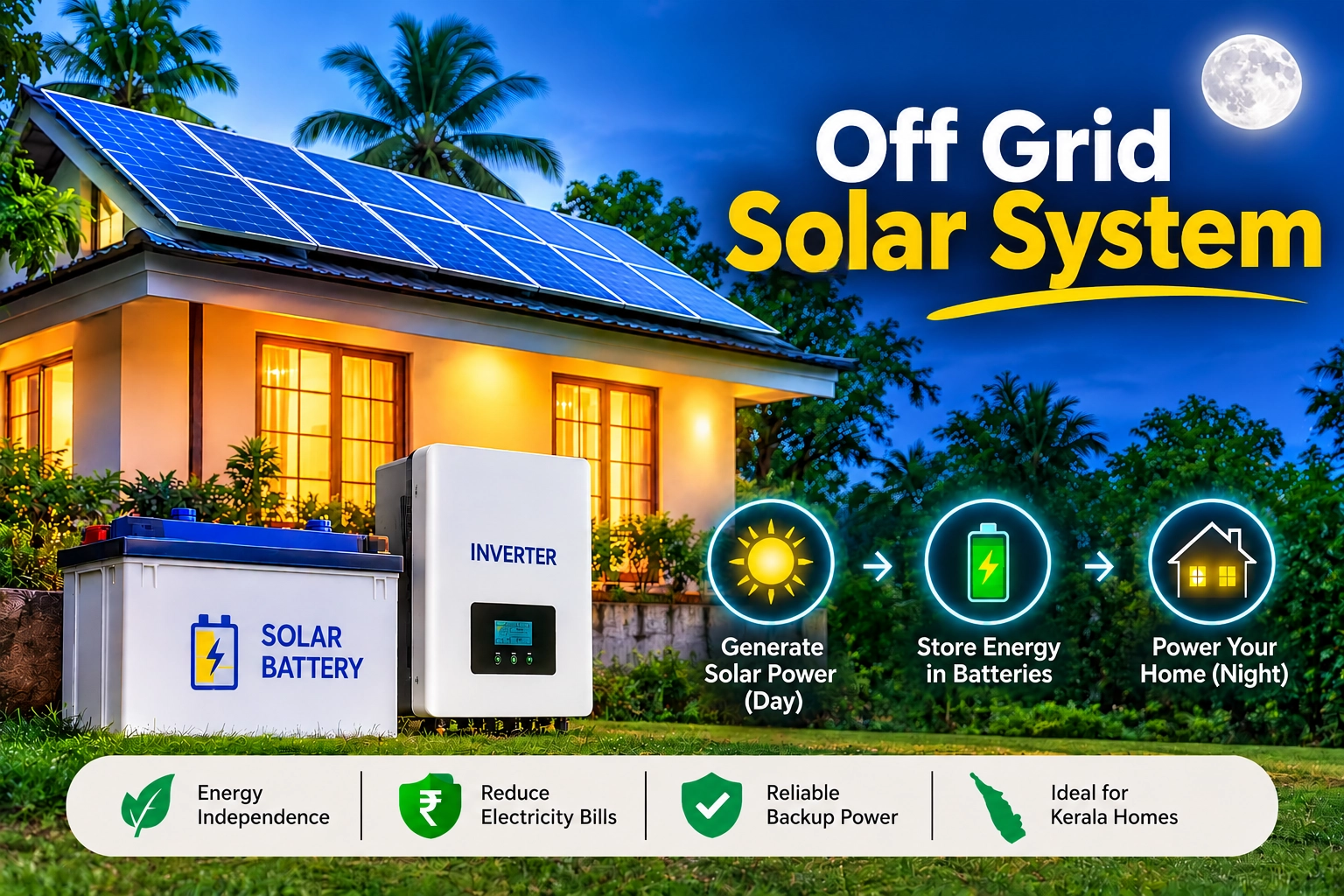
Off Grid Solar System: How Solar Batteries Store Energy for Night Time Use
Nov 18, 2026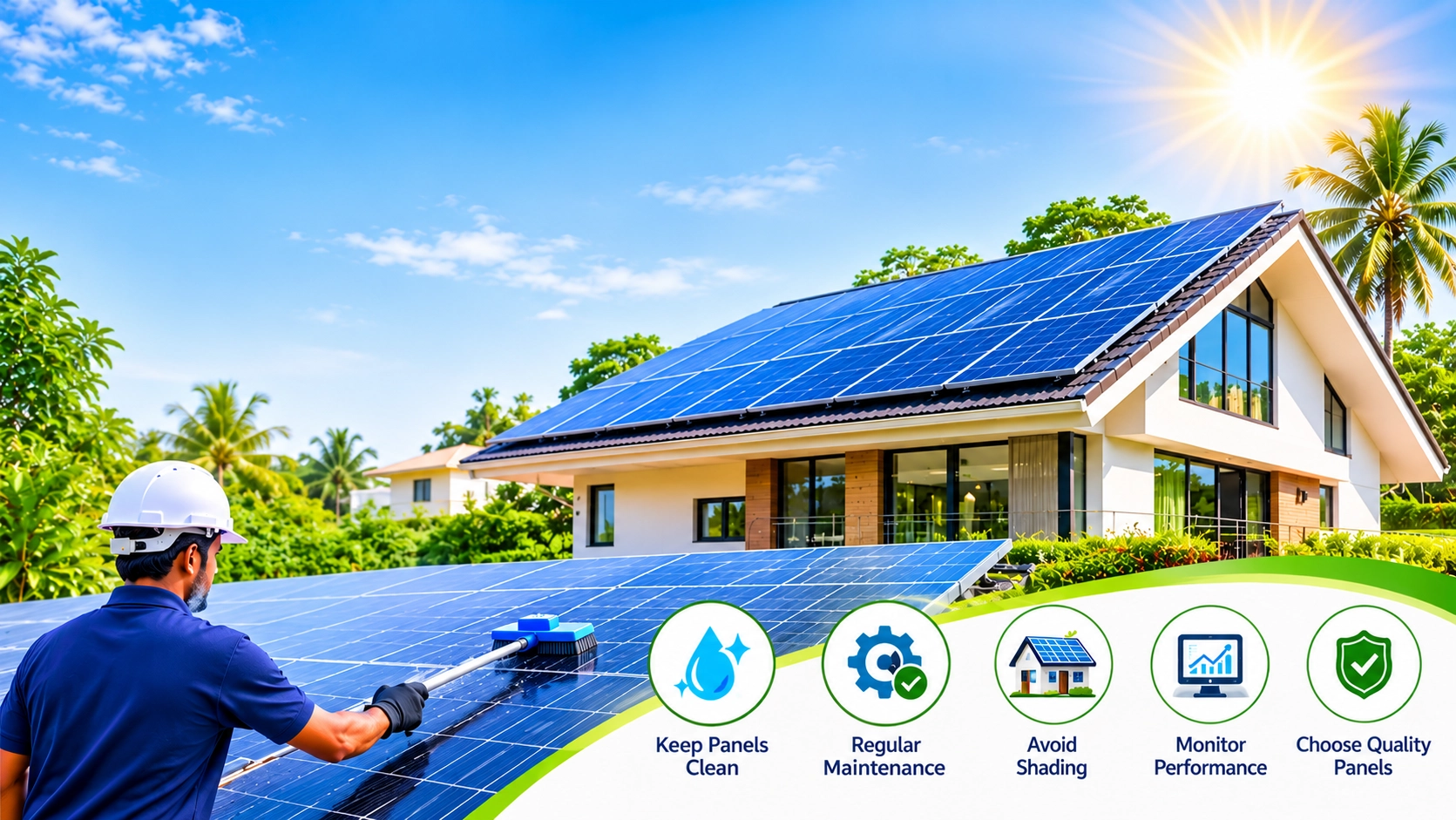
How to Improve Solar Panel Efficiency Throughout the Year
Nov 16, 2026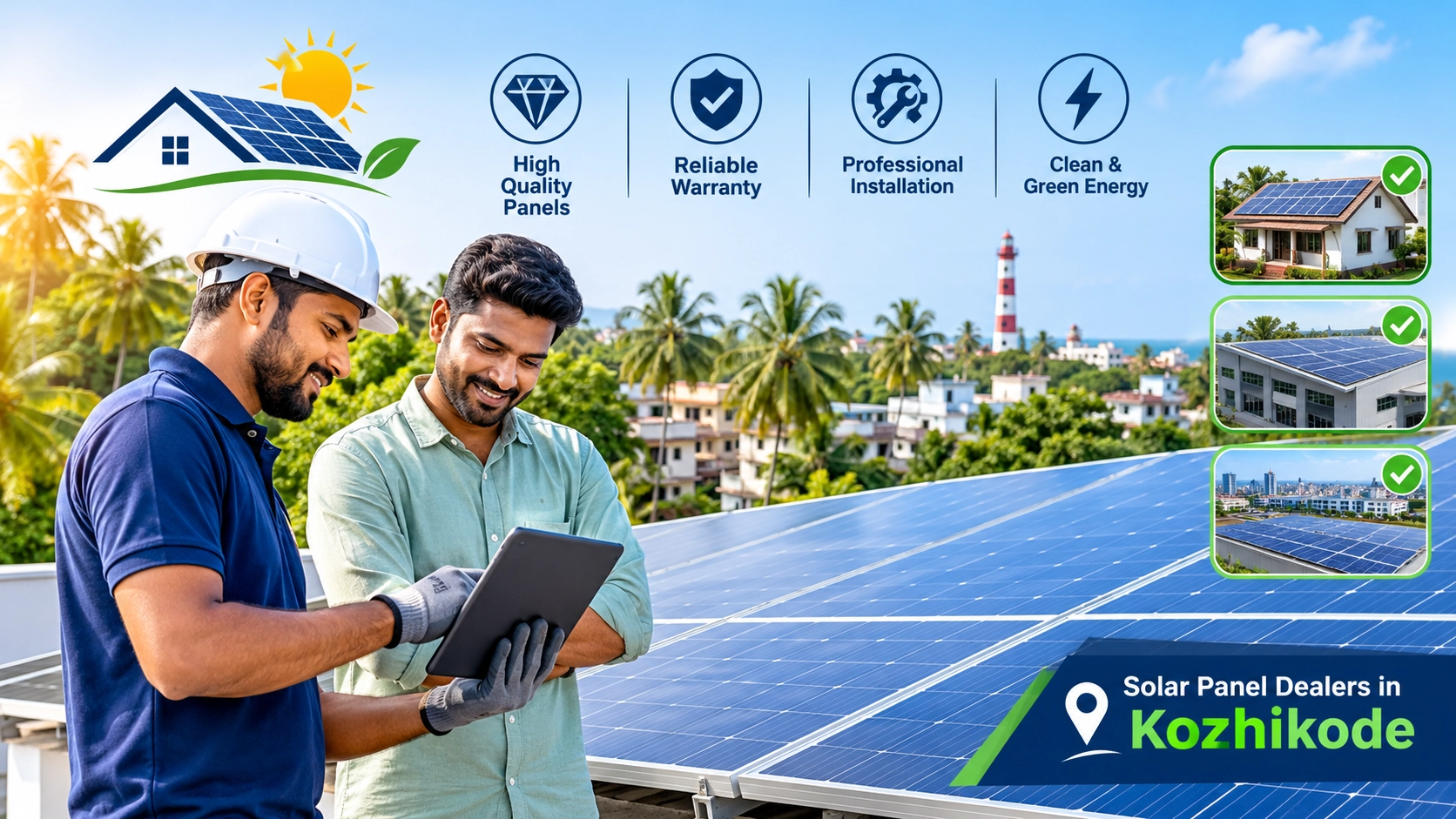
Solar Panel Dealers in Kozhikode: Understanding Quality, Warranty and Installation
Nov 14, 2026
Solar Panel Calicut: Important Factors to Consider Before Installing Solar Panels
Nov 12, 2026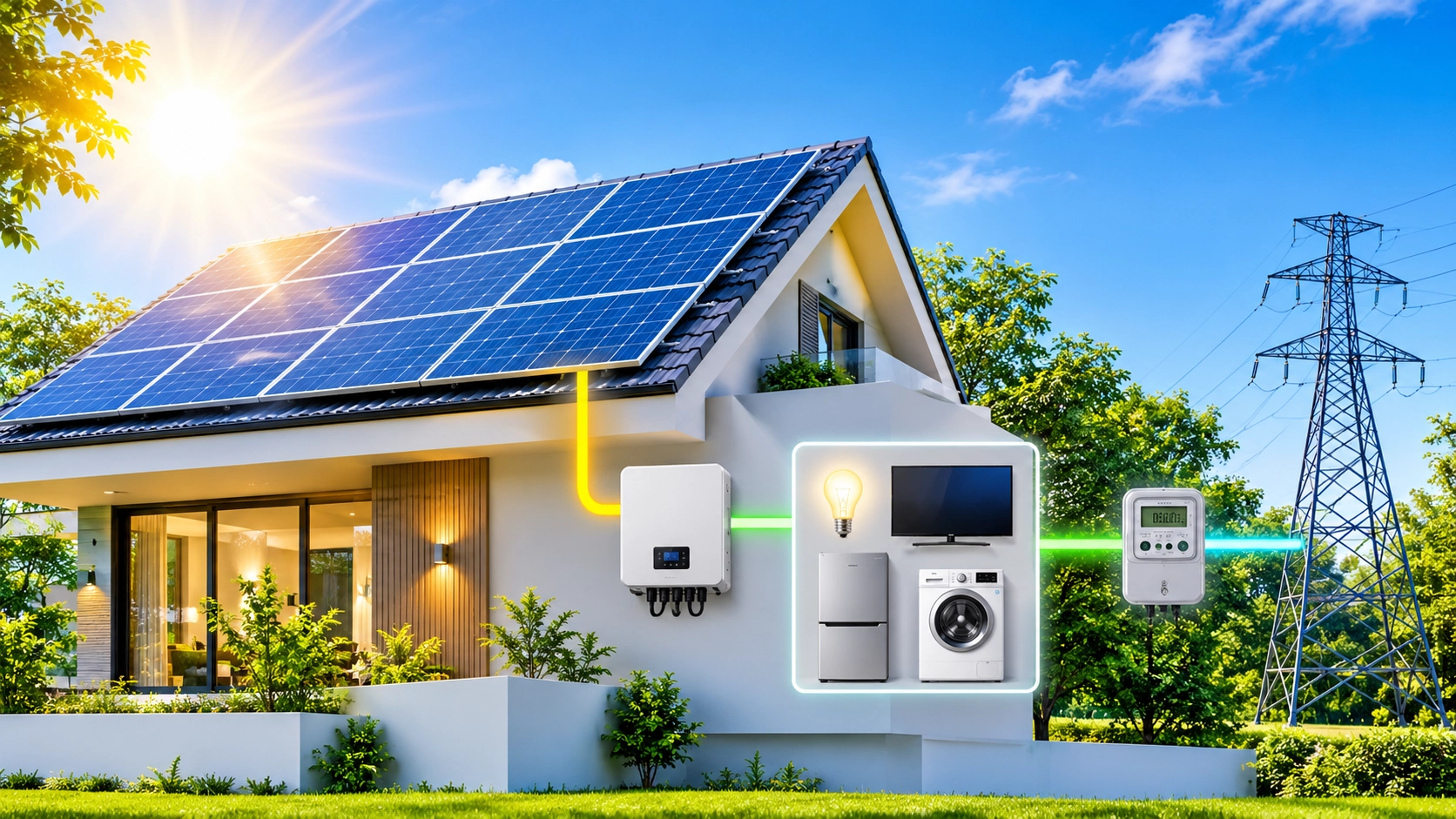
On Grid Solar System: Understanding Electricity Generation and Consumption
Nov 11, 2026
Hybrid Solar System: Understanding Solar Panels, Batteries and Inverters
Nov 10, 2026
What to Expect When Working with Professional Solar Companies
Nov 09, 2026
Solar Products in Trivandrum for Homes and Businesses: Types, Uses and Benefits
Nov 07, 2026Switch to Solar Today!
Save up to 90% on electricity bills with Allsun Nature's customized rooftop solar solutions.
Get Free Quote