

Solar energy has become a practical choice for households and businesses looking to reduce their dependence on conventional electricity. With increasing awareness of renewable energy, many property owners are exploring grid-connected solar solutions to manage their daily power requirements. An On Grid Solar System is one of the popular options because it allows users to generate electricity from sunlight while remaining connected to the main electricity grid.
Understanding how electricity is generated, consumed and shared with the grid can help homeowners make better decisions before installing a solar power system. From daytime energy production to electricity usage at night, knowing how the system works makes it easier to understand its benefits and limitations.
What Is an On Grid Solar System?
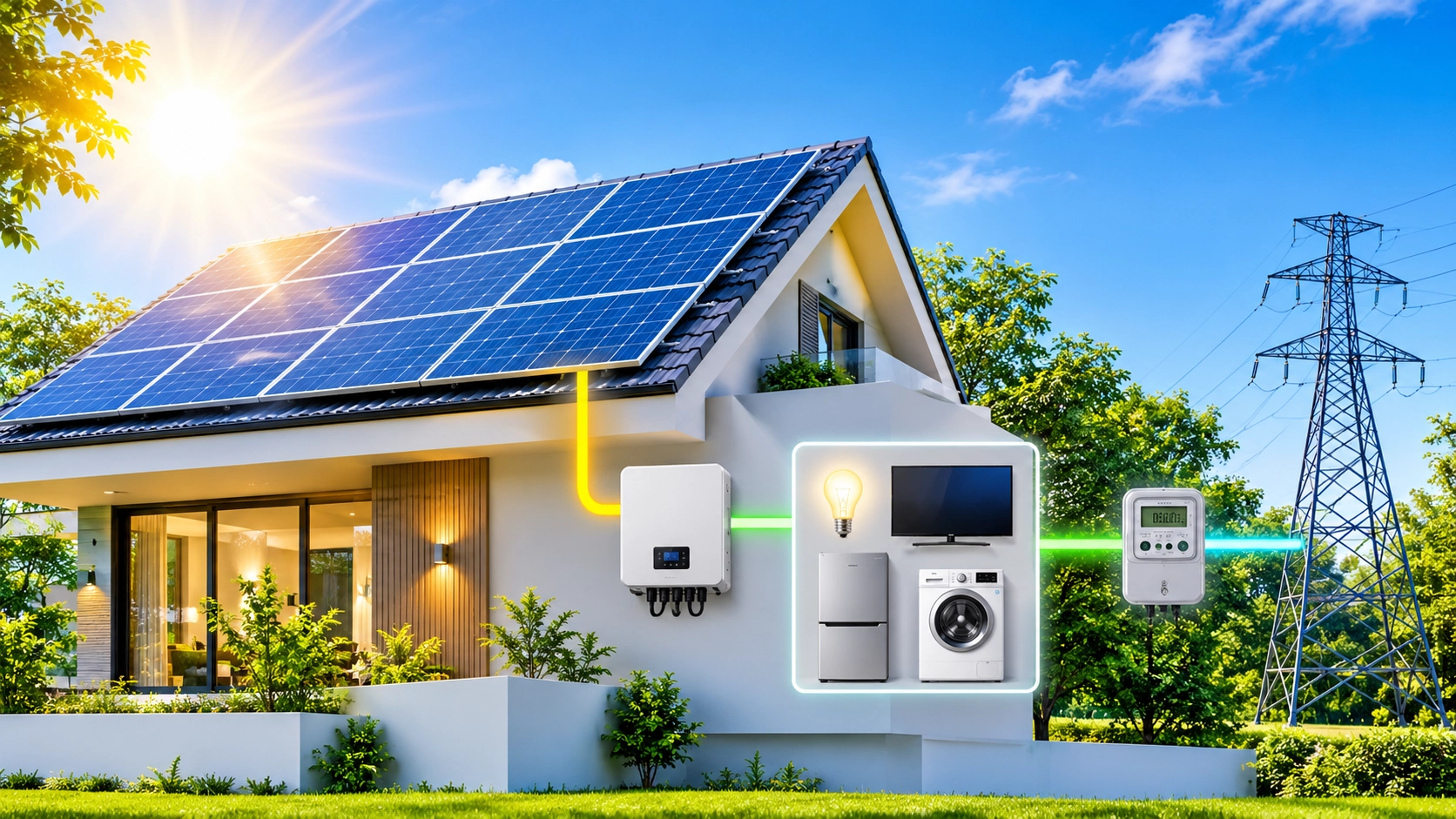
An on-grid solar setup is a solar power arrangement connected directly to the local electricity network. It uses solar panels to capture sunlight and convert it into electrical energy. An inverter then changes the generated DC electricity into AC electricity, which can be used by household appliances and other electrical equipment.
Unlike an off-grid arrangement, this system does not usually depend on batteries for storing electricity. Instead, it works alongside the existing electricity supply. When solar generation is sufficient, the property can use the power produced by its panels. When production is lower than consumption, electricity can be drawn from the grid.
This connection allows users to make use of solar energy during the day while maintaining access to conventional electricity whenever required.
How Is Electricity Generated Through Solar Panels?
Electricity generation begins when sunlight reaches the photovoltaic cells inside solar panels. These cells absorb solar energy and produce direct current (DC) electricity through the photovoltaic effect.
The generated electricity travels from the panels to the solar inverter. Since most household appliances operate using alternating current (AC), the inverter converts DC power into usable AC electricity.
The amount of electricity generated depends on several factors, including:
Sunlight availability throughout the day.
Solar panel capacity and efficiency.
Roof direction and installation angle.
Shading from trees, buildings or nearby structures.
Weather conditions and panel cleanliness.
A properly designed On Grid Solar System can generate a significant portion of a property's daytime electricity requirements. However, actual production changes depending on sunlight conditions and the installed system capacity.
How Is Solar Electricity Consumed at Home?
Once the inverter converts solar power into AC electricity, it becomes available for use within the property. Electrical appliances such as fans, lights, refrigerators, washing machines and air conditioners can consume the generated energy.
For example, imagine a house generating 4 units of solar electricity during a particular period while its appliances consume 3 units. In this situation, the household uses the required 3 units directly from solar generation, leaving approximately 1 unit as surplus electricity.
When electricity demand is higher than solar production, the additional requirement is supplied by the electricity grid.
This arrangement allows homeowners to use renewable energy without changing their regular electricity consumption habits.
What Happens When Solar Generation Is Higher Than Consumption?
There are times when solar panels produce more electricity than the property needs. This commonly happens during sunny afternoons when fewer electrical appliances are operating.
In a grid connected arrangement, the extra electricity can be exported to the local electricity network, subject to applicable net metering or other approved billing arrangements.
Net metering helps record the electricity imported from and exported to the grid. Depending on the applicable regulations and billing structure, exported electricity may be adjusted against electricity consumption.
For households, understanding this process is important because the value of surplus electricity depends on the current electricity regulations and the applicable tariff structure.
What Happens When Electricity Consumption Is Higher Than Generation?
Solar production is not constant throughout the day. It changes with sunlight availability, weather conditions and the position of the sun.
For instance, a household may use several appliances simultaneously during the morning or evening. If the electricity demand becomes higher than the available solar generation, the required additional power is automatically supplied by the grid.
Similarly, during cloudy weather or late afternoon hours, solar production may decrease. The electricity connection ensures that appliances can continue operating when solar generation alone is insufficient.
This is one of the practical advantages of an On Grid Solar System, as users can access electricity from two sources depending on their actual requirements.
Understanding Electricity Generation During Different Times of the Day
Solar electricity production changes throughout the day. Understanding these variations helps households plan their energy usage more efficiently.
Morning: Solar generation gradually increases as sunlight becomes stronger. The system begins producing electricity, which can support regular household activities.
Afternoon: Solar panels generally produce more electricity during periods of good sunlight. This is often when surplus electricity is available for export to the grid.
Evening: As sunlight decreases, solar production gradually reduces. Household electricity requirements are increasingly met through the grid.
Night: Solar panels do not generate electricity without sunlight. Therefore, the property depends on grid electricity unless a separate approved backup arrangement is available.
By operating high-energy appliances during productive sunlight hours, homeowners may be able to make better use of the electricity generated by their solar panels.
Importance of Net Metering in Grid-Connected Solar Systems
Net metering plays an important role in connecting solar electricity generation with household consumption. It helps measure the electricity flowing in both directions between the property and the electricity grid.
For example, when a household generates more electricity than it consumes, the surplus may be exported. When solar generation is insufficient, electricity is imported from the grid.
The meter records these energy flows according to the applicable system and regulations. The final billing adjustment depends on the current policies, tariff rules and connection conditions.
In Kerala, homeowners should understand the latest KSEB guidelines and applicable rooftop solar regulations before proceeding with installation. This helps avoid confusion about electricity credits, billing and system approvals.
Choosing the Right Solar Panels and System Capacity
Selecting suitable equipment is essential for achieving reliable solar performance. Before choosing a system, homeowners should consider their average monthly electricity consumption, available rooftop space and future power requirements.
When planning a Solar Panel For Home installation, understanding daily electricity usage helps determine the suitable system capacity.
The quality and efficiency of the panels also matter. Comparing the Best Solar Panels based on efficiency, product specifications, warranty and performance can help property owners make an informed decision.
A professional site assessment can identify suitable panel placement, possible shading issues and the appropriate inverter capacity. These factors contribute to better electricity generation over the system's operating life.
Is an On Grid Solar System Suitable for Kerala Homes?
Kerala receives sunlight throughout much of the year, making rooftop solar a practical option for many residential and commercial properties. However, seasonal rainfall, cloudy conditions and rooftop limitations should be considered during system planning.
A properly designed On Grid Solar System can help households utilise available sunlight and reduce their dependence on conventional electricity.
Before starting solar installation kerala projects, homeowners should check their electricity consumption, roof condition, grid connection requirements and applicable government regulations.
Professional installation is equally important. Proper wiring, inverter selection, safety arrangements and system testing help ensure that the setup operates as expected.
Tips to Improve Solar Electricity Utilisation
Homeowners can follow a few simple practices to make better use of their generated solar electricity:
Run washing machines and other high-energy appliances during daylight hours whenever practical.
Keep solar panels clean to avoid unnecessary reductions in energy production.
Monitor daily electricity generation and consumption.
Avoid shading from growing trees or nearby objects.
Arrange periodic inspections to check system performance.
Understand electricity bills and exported energy records.
These practices can help households understand their energy patterns and use available solar power more effectively.
Conclusion
Understanding how solar electricity is generated and consumed helps homeowners make informed decisions about renewable energy. From converting sunlight into usable electricity to managing surplus power through the grid, a grid-connected solar arrangement offers a practical way to utilise solar energy.
An On Grid Solar System allows properties to use solar electricity when it is available and draw additional power from the grid whenever required. With suitable system capacity, quality components and professional installation, homeowners can make better use of renewable energy while managing their electricity expenses.
Allsun Nature provides solar solutions designed to meet different residential, commercial and industrial energy requirements. Choosing the right system with proper planning can be an important step towards a more energy efficient future.
Frequently Asked Questions
Recent Blogs

How Solar Panel Dealers in Kochi Make Solar Installation Easier
Nov 20, 2026
Solar Panel in Kerala: How Weather Conditions Affect Solar Power Generation
Nov 19, 2026
Off Grid Solar System: How Solar Batteries Store Energy for Night Time Use
Nov 18, 2026
How to Improve Solar Panel Efficiency Throughout the Year
Nov 16, 2026
Solar Panel Dealers in Kozhikode: Understanding Quality, Warranty and Installation
Nov 14, 2026
Solar Panel Calicut: Important Factors to Consider Before Installing Solar Panels
Nov 12, 2026
Hybrid Solar System: Understanding Solar Panels, Batteries and Inverters
Nov 10, 2026
What to Expect When Working with Professional Solar Companies
Nov 09, 2026
Solar Products in Trivandrum for Homes and Businesses: Types, Uses and Benefits
Nov 07, 2026
Solar Panel Distributors in Kochi: What Homeowners and Businesses Should Know
Nov 06, 2026Switch to Solar Today!
Save up to 90% on electricity bills with Allsun Nature's customized rooftop solar solutions.
Get Free Quote