
Installing solar panels can help reduce dependence on grid electricity, but the amount of electricity generated may not always be the same every day. Changes in sunlight, weather, shading, dirt, system settings, and equipment performance can all affect solar generation.
If your solar system is producing less power than expected, it is important to understand the possible reasons before assuming there is a problem with the panels.
Solar generation can vary because of reduced sunlight, cloudy or rainy weather, shading, dirt, panel positioning, inverter issues, wiring problems, changes in electricity consumption, or poor system sizing and installation.
Why Is My Solar Panel Not Generating Enough Power?
Solar panels need sufficient sunlight to generate electricity. Their output can change depending on the time of day, season, weather conditions, and the condition of the system.
Some common reasons for lower solar generation include:
- Reduced sunlight
- Cloudy or rainy weather
- Shading from trees or buildings
- Dust and dirt on the panels
- Incorrect panel positioning
- Inverter-related issues
- Wiring or connection problems
- Changes in electricity consumption
- Poor system sizing or installation
A temporary reduction in generation does not always mean that the solar panels are damaged.
Cloudy or Rainy Weather
Solar panels can still generate electricity during cloudy weather, but their output may be lower because less sunlight reaches the panels.
This is particularly relevant in Kerala, where cloudy skies and rainfall can occur frequently during the monsoon season.
A few days of lower generation during periods of poor weather can therefore be normal.
Shading Can Reduce Solar Generation
Even partial shading can affect the performance of a solar system.
Shadows may come from:
- Trees
- Nearby buildings
- Water tanks
- Poles
- Other rooftop structures
The position of the sun also changes throughout the day, so an area that appears clear in the morning may become shaded later.
During a solar panel installation, the available roof area should therefore be checked carefully for possible shading throughout the day.
Dust and Dirt on Solar Panels
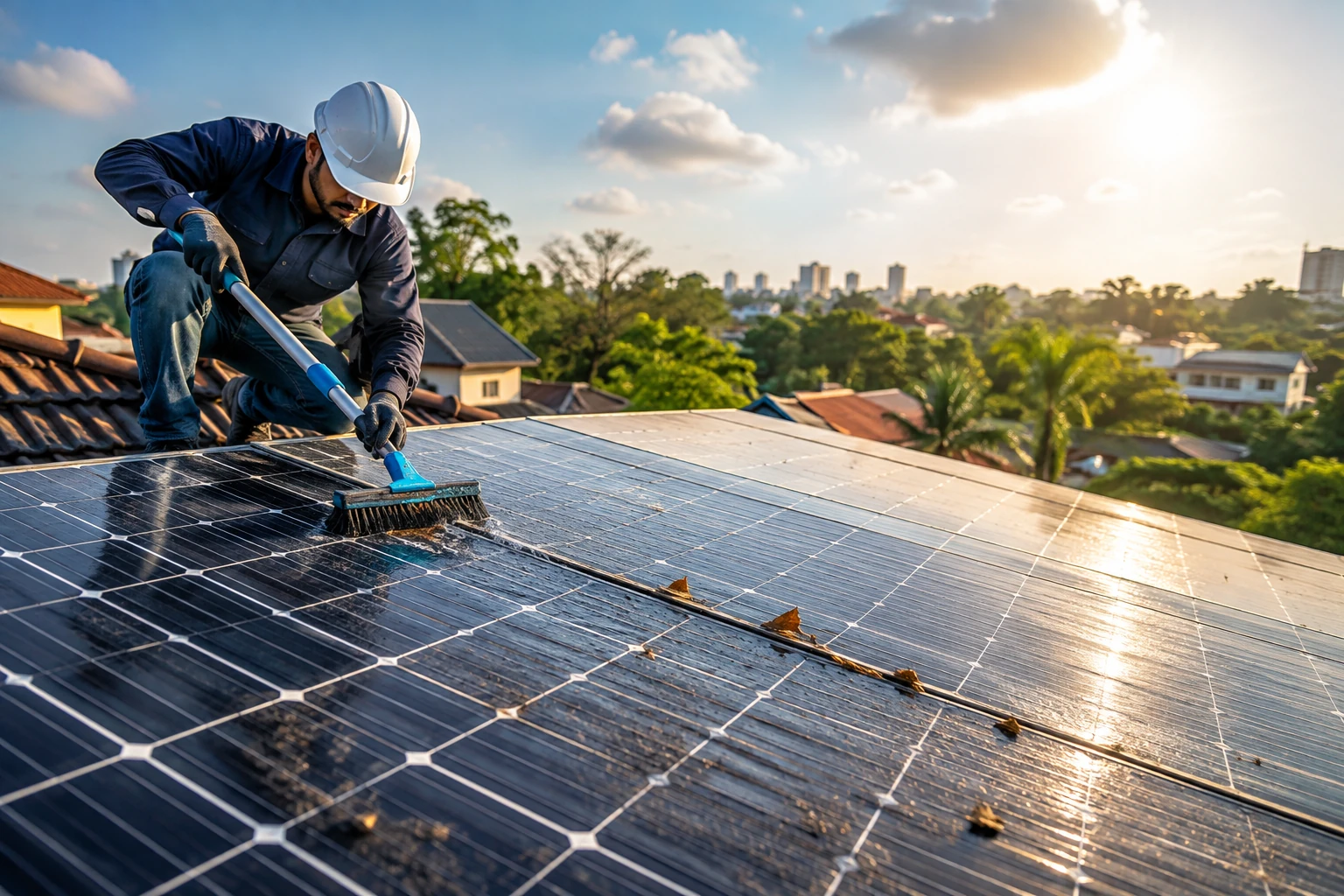
Dust, bird droppings, leaves and other deposits can accumulate on the panel surface.
When dirt covers part of the panel, less sunlight may reach the solar cells. This can affect electricity generation.
Keeping Solar Panels Clean
Regular inspection and appropriate cleaning can help keep the panels operating efficiently.
However, cleaning should be carried out safely and according to the manufacturer's recommendations.
Incorrect Panel Direction or Position
Solar panels need to be positioned appropriately to receive sunlight.
The roof direction, panel angle and surrounding structures can all influence the amount of sunlight available.
Poor positioning during installation may reduce the system's potential output.
This is why proper site assessment is an important part of solar panel installation in Kerala.
Inverter Problems
The inverter converts the electricity generated by solar panels into usable electricity for the property.
If the inverter shows an error, warning or unusual reading, the system may not be operating normally.
Check the inverter display or monitoring application for any alerts.
If an error continues, it is better to have the system checked by a qualified professional rather than attempting electrical repairs yourself.
Wiring or Connection Issues
Loose, damaged or faulty electrical connections can affect system performance.
These issues may not always be visible from the outside.
If generation suddenly drops without a clear change in weather or sunlight, professional inspection can help identify whether there is an electrical or equipment-related problem.
The Solar System May Be Undersized
Sometimes the solar system itself may not match the property's electricity requirements.
For example, electricity consumption may increase after installing:
- Air conditioners
- Water heaters
- Additional refrigerators
- Electric vehicles
- New appliances
If your electricity usage has increased significantly, the solar system may appear to be generating less even though it is operating normally.
This is why system sizing should be based on actual and expected electricity consumption.
Seasonal Changes in Solar Generation
Solar generation naturally changes throughout the year.
Longer periods of sunlight can increase generation, while cloudy weather, rainfall and shorter periods of strong sunlight can reduce it.
Comparing one day's generation with another may not give an accurate picture of system performance. It is better to look at generation trends over a longer period.
Solar Panel Installation in Kerala: Why Proper Installation Matters
The performance of a solar system depends not only on the panels themselves but also on how the complete system is designed and installed.
A proper installation should consider:
- Electricity consumption
- Available roof space
- Shading
- Panel orientation
- Roof condition
- Inverter selection
- System capacity
- Electrical connections
- Safety requirements
When planning solar installation in Kerala, local weather conditions and the property's location should also be considered during the site assessment.
How Can You Check Whether Your Solar System Is Performing Normally?
Before assuming that something is wrong, check a few basic things:
Compare generation during sunny and cloudy days.
Look for error messages or warning indicators.
If your solar system has online monitoring, compare current generation with previous days or months.
Check whether trees, buildings or new rooftop structures are blocking sunlight.
Look for excessive dirt, leaves or other visible deposits.
Look at generation over weeks or months rather than judging the system based on a single day.
If the reduction continues without an obvious reason, professional inspection may be required.
Can Kerala's Monsoon Affect Solar Panel Output?
Heavy clouds and rainfall reduce the amount of sunlight reaching the panels.
However, solar panels do not stop working simply because it rains.
Generation depends on the amount of available sunlight. Therefore, output may be lower on heavily overcast days and improve when sunlight returns.
A properly designed and installed system should take local weather conditions into consideration.
Does Low Solar Generation Always Mean There Is a Problem?
No. A temporary reduction can be completely normal.
For example, generation may fall because of:
- Heavy cloud cover
- Rain
- Shading at certain times
- Seasonal changes
- Temporary changes in sunlight
The concern arises when generation remains unusually low for an extended period or drops suddenly without an obvious explanation.
In such situations, checking the inverter, monitoring data and system condition can help identify the cause.
When Should You Get Your Solar System Checked?
Consider getting professional assistance if:
- Generation suddenly drops significantly
- The inverter displays an error
- The monitoring system shows unusual readings
- One or more panels appear damaged
- There are electrical warnings
- Generation remains low even during good sunlight
- You notice a persistent difference from your usual generation
Avoid opening electrical equipment or attempting repairs yourself.
How Proper Solar Installation Can Help
Good installation and system design can help avoid several performance-related issues.
During solar panel installation, professionals can assess the roof, sunlight availability, shading, system capacity and equipment requirements.
For properties in Kerala, proper planning is particularly important because weather conditions can change significantly across seasons.
Choosing the right system and ensuring that it is properly installed can help the solar setup work efficiently under normal operating conditions.
Choose the Right Solar Installation for Your Property
Solar requirements are different for every property.
A residential building may require a different system from a commercial property or industrial facility.
The right solution depends on factors such as:
- Electricity consumption
- Roof space
- Available sunlight
- Backup requirements
- Budget
- Property type
- Future electricity needs
A professional site assessment can help determine a suitable solar configuration.
Planning Solar Installation in Kerala?
Proper site assessment and system planning can help you choose a solar solution that matches your property's electricity requirements.
Explore Allsun Nature's solar solutions and choose the right system for your property.
Conclusion
Lower solar generation does not always mean that your panels are faulty. Weather, shading, dirt, seasonal changes and system conditions can all influence electricity production.
If your system continues to generate less power than expected, checking the inverter, monitoring data and overall system condition can help identify the reason.
For new projects, careful planning and professional solar panel installation in Kerala can help ensure that the system is designed according to the property's energy requirements and site conditions.
Frequently Asked Questions
Recent Blogs

Best Solar System for a 2BHK, 3BHK or 4BHK Home in Calicut
Sep 17, 2026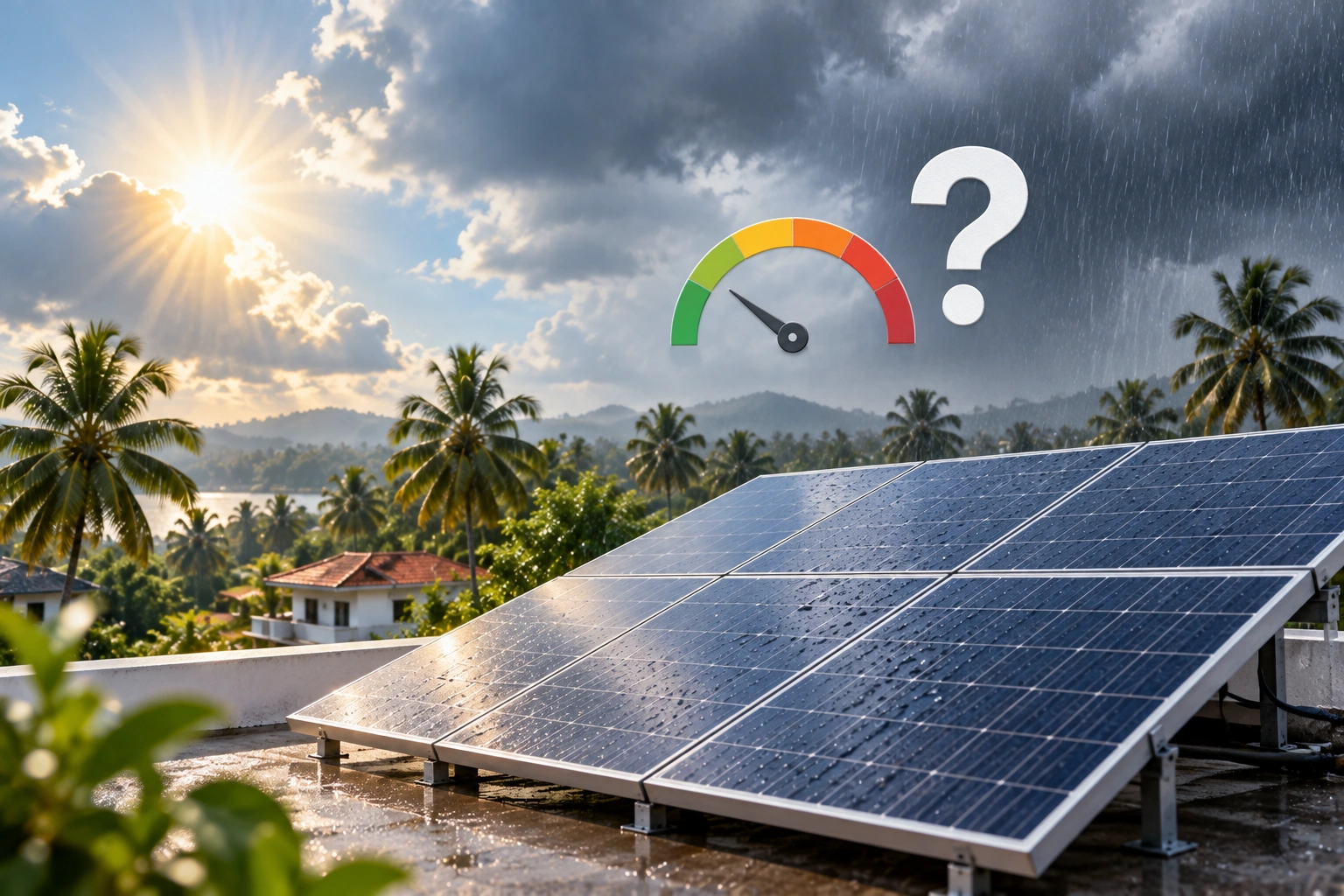
Why Is My Solar Panel Generating Less Power in Kerala?
Sep 16, 2026
Not All Solar Systems Are the Same: Find the Right One for Your Calicut Property
Sep 15, 2026
Kerala’s Power Crisis: Can Solar Help Homes Cope With Rising Power Cuts?
Sep 14, 2026
3kW vs 5kW Solar System for Kerala Homes: Cost, Power Generation & AC Usage
Sep 14, 2026
Solar Panel Installation in Kerala: Cost, Process, Subsidy & How to Choose the Right Company
Sep 11, 2026
How to Choose the Right Solar System Size for Your Home in Calicut
Sep 10, 2026
Solar Panel Maintenance in Kerala: A Homeowner's Guide for Coastal Cities
Sep 09, 2026
On-Grid Solar System in Kerala: How It Works, Cost, Benefits & KSEB Connection
Sep 08, 2026
Solar Installation in Calicut: From Panel Selection to KSEB Connection
Sep 08, 2026Switch to Solar Today!
Save up to 90% on electricity bills with Allsun Nature's customized rooftop solar solutions.
Get Free Quote