
Solar power is becoming an increasingly popular choice for homes and businesses in Kerala. With good sunlight availability throughout much of the year, solar panels can generate useful amounts of electricity and help reduce dependence on grid power.
But how much electricity can a solar panel actually generate in Kerala?
The answer depends on several factors, including the solar system capacity, sunlight availability, roof orientation, shading, panel efficiency, weather conditions, and system performance.
How Does a Solar Panel Generate Electricity?
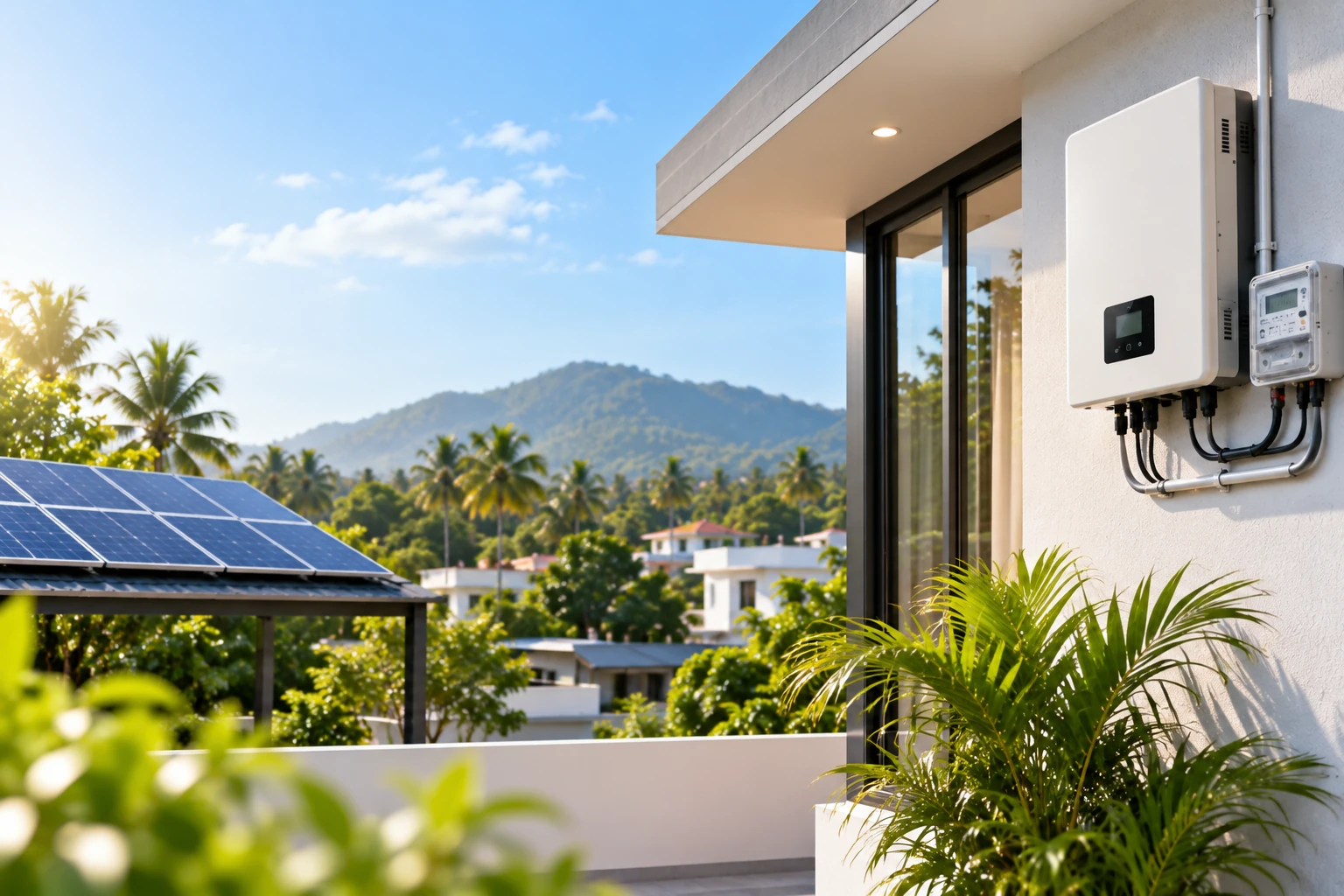
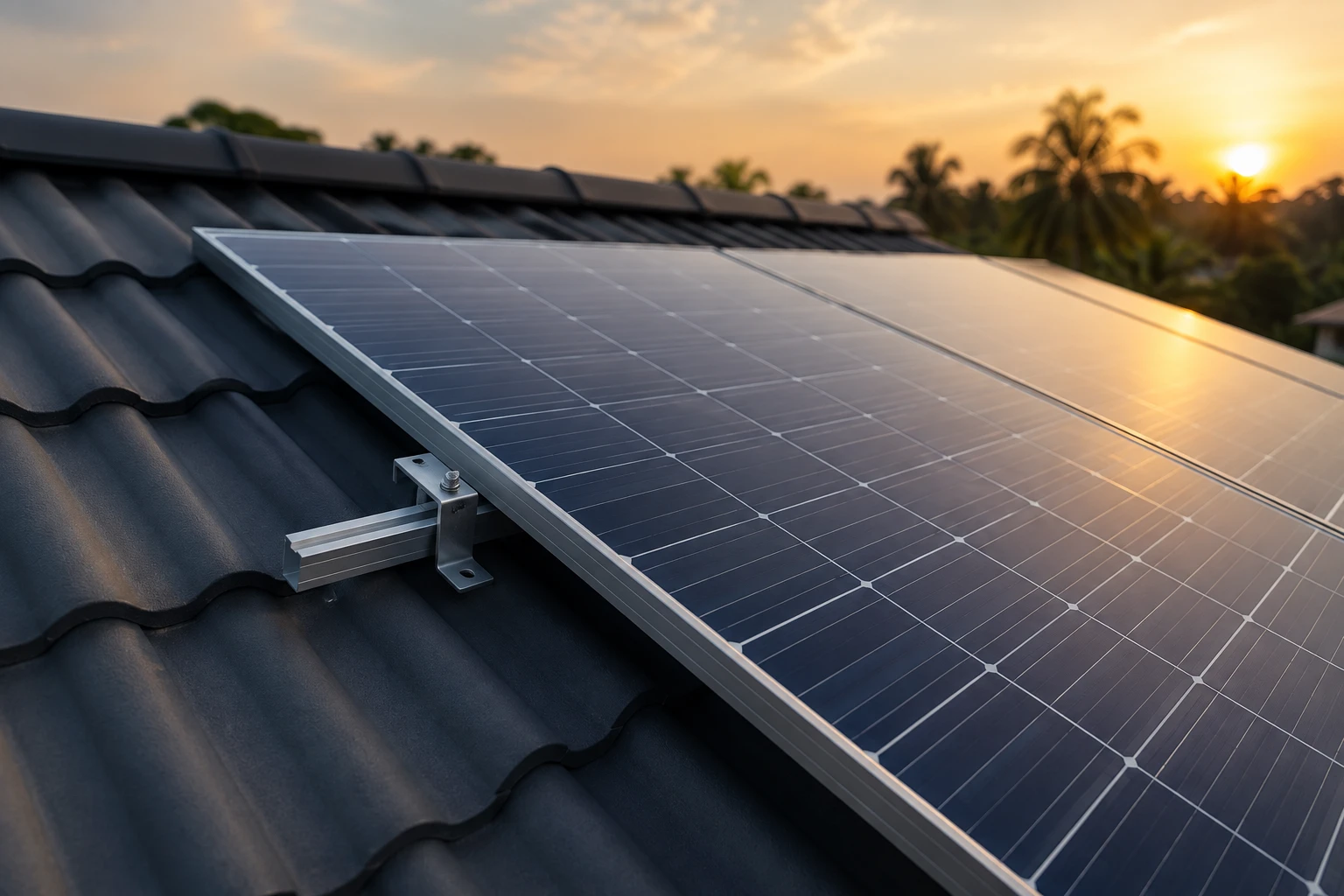
Solar panels use photovoltaic cells to convert sunlight into electrical energy. During daylight hours, the panels generate DC electricity, which is converted into usable AC electricity through an inverter.
The amount of electricity generated varies throughout the day and across different seasons.
A properly designed solar system can therefore provide a significant portion of a property's electricity requirements.
How Much Electricity Can a Solar System Generate?
Solar generation depends mainly on the installed capacity.
As a general illustration, a properly installed system can produce different amounts of electricity depending on its capacity and actual site conditions.
| Solar System Size | Approximate Daily Generation* |
|---|---|
| 1 kW | 3–5 units |
| 2 kW | 6–10 units |
| 3 kW | 9–15 units |
| 5 kW | 15–25 units |
| 10 kW | 30–50 units |
*These are indicative ranges, not guaranteed output. Actual generation varies according to sunlight, shading, panel orientation, system efficiency, weather and other site-specific conditions.
For example, a 3 kW solar system may generate around 9–15 units of electricity per day under suitable conditions. Over a month, the actual production will vary depending on weather and sunlight.
What Factors Affect Solar Power Generation in Kerala?
1. Sunlight Availability
Solar panels require sunlight to generate electricity. Kerala receives good solar radiation, but generation naturally changes depending on the season and weather.
2. Roof Direction and Tilt
The orientation and tilt of the panels can affect how much sunlight they receive during the day. Proper system design helps maximise available sunlight.
3. Shading
Trees, nearby buildings, water tanks and other structures can cast shadows on solar panels. Even partial shading can affect system output.
A professional site inspection is therefore important before installation.
4. Solar Panel Quality
The efficiency and quality of the panels can influence electricity generation. Choosing suitable, high-quality panels helps maintain reliable performance over the system's operating life.
5. Inverter Performance
The inverter converts the DC electricity generated by the panels into AC electricity that can be used by appliances. Its performance is an important part of the overall solar system.
6. Weather Conditions
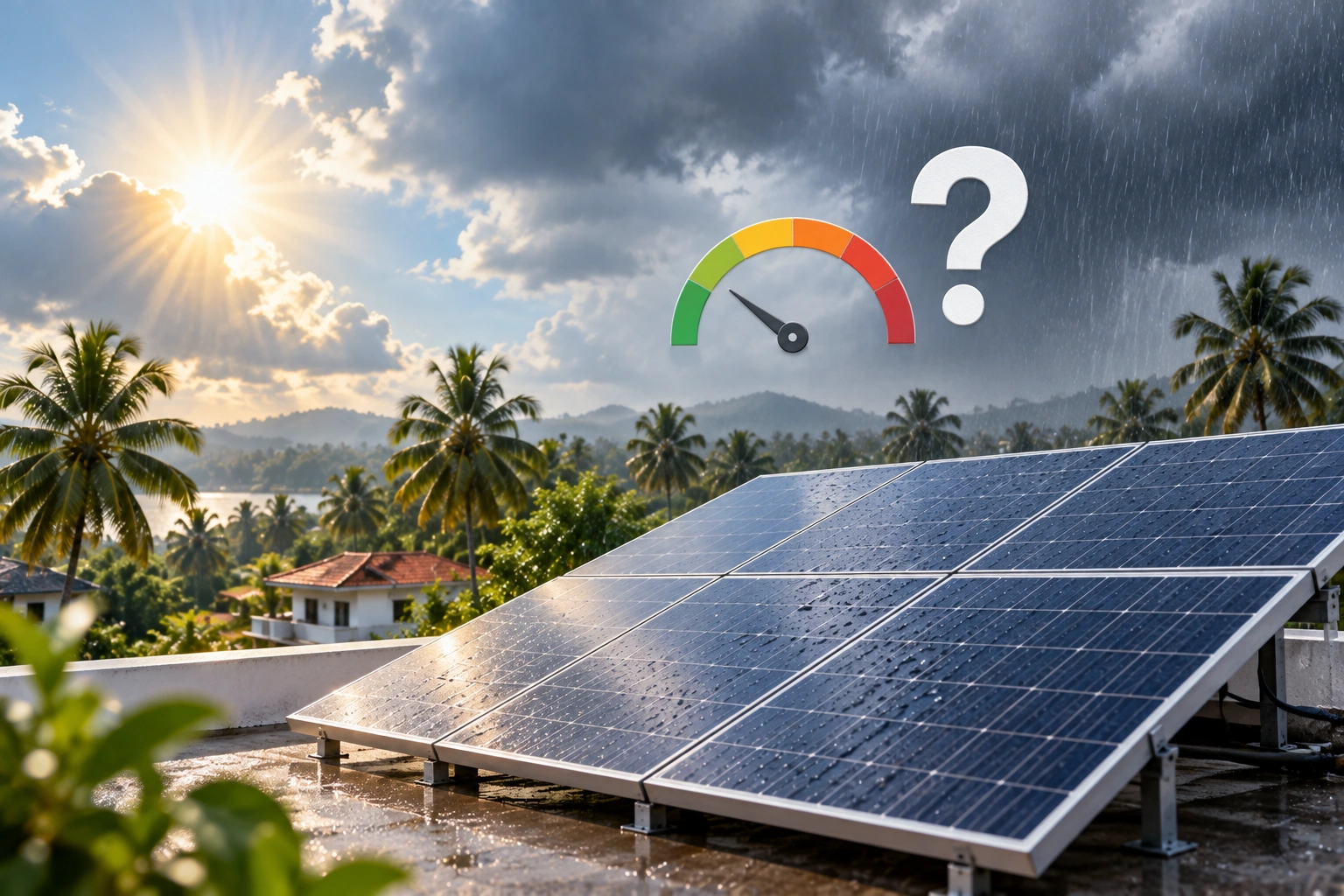
Cloudy and rainy conditions can reduce solar generation compared with bright sunny days. However, solar panels can still generate electricity under diffused sunlight.
How Can You Estimate Your Solar Requirement?
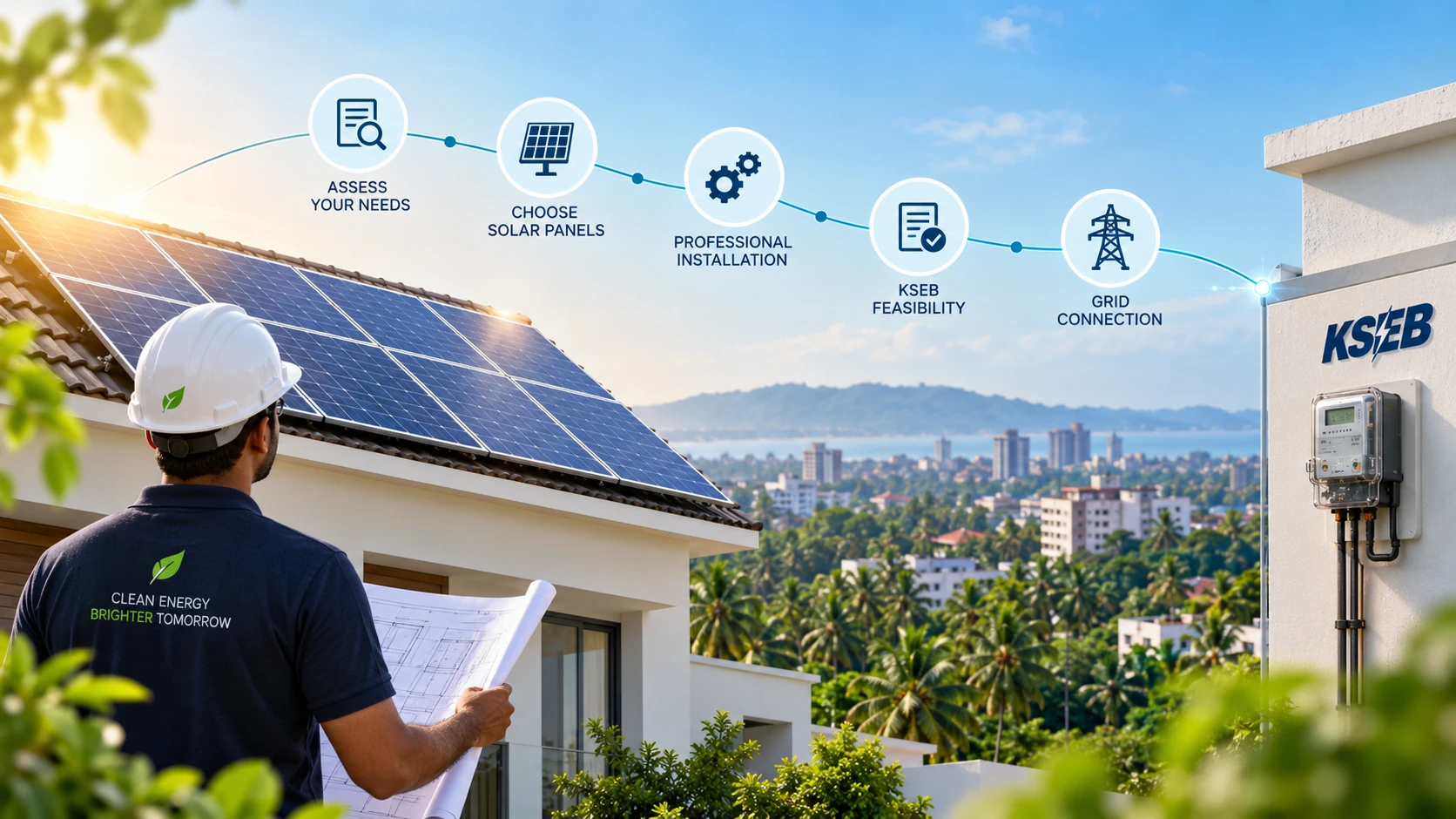
Before selecting a solar system, look at your property's electricity consumption.
Your monthly electricity bills can help determine:
- Average monthly electricity consumption
- Current electricity usage pattern
- Suitable solar system capacity
- Available rooftop area
- Potential electricity generation
A site assessment can then help determine the appropriate system size based on the property's actual requirements.
Can Solar Panels Reduce Electricity Bills in Kerala?
Yes. A properly designed solar system can reduce the amount of electricity you need to purchase from the grid.
The amount you save depends on factors such as:
- System capacity
- Electricity consumption
- Solar generation
- Electricity tariff
- Self-consumption
- Applicable net-metering arrangements
- System performance
Therefore, the objective should not simply be to install the largest possible system. The system should be appropriately sized for the property's electricity requirements.
How to Get Better Solar Generation
To get the best possible performance from your solar system:
- Choose the right system capacity
- Avoid unnecessary shading
- Use suitable, quality components
- Ensure correct panel positioning
- Keep panels reasonably clean
- Monitor system performance
- Carry out maintenance when required
Professional design and installation can help ensure that the system is configured correctly for the site.
Is Solar Suitable for Homes in Kerala?
Solar can be a practical option for many homes in Kerala, provided there is suitable roof space and adequate sunlight exposure.
A professional assessment can help determine whether the roof is suitable and what system capacity may be appropriate.
For homeowners considering a solar panel in Kerala, understanding electricity consumption and available rooftop space is a good starting point.
Conclusion
The electricity generated by solar panels in Kerala depends on the system capacity and site conditions. A larger system can generally generate more electricity, but actual output depends on sunlight, shading, panel orientation, equipment efficiency and weather.
Instead of choosing a system based only on its capacity, homeowners should consider their electricity consumption and have the site professionally assessed.
A correctly designed solar system can help Kerala homes and businesses generate clean electricity and reduce their dependence on conventional grid power.
Planning Your Solar System?
Want to know what solar system size is suitable for your property? Contact Allsun Nature for a professional solar assessment and guidance.
Get a Solar Quote