
Solar energy has become an increasingly practical option for homes, businesses, and industrial properties looking to generate electricity from sunlight. However, the benefits of solar are not exactly the same for every property.
The amount of electricity a solar system can generate, the savings it can provide, and the type of system you need depend on several factors, including your electricity consumption, available installation space, sunlight exposure, system capacity, and whether you require battery backup.
If you are considering solar for your property, understanding these factors can help you make a more informed decision before moving ahead with a solar installation.
Solar can help reduce dependence on conventional electricity, but the actual benefit depends on your property's electricity usage, solar system size, sunlight availability, installation conditions, and system configuration. A properly planned system is generally more useful than simply choosing the largest system available.
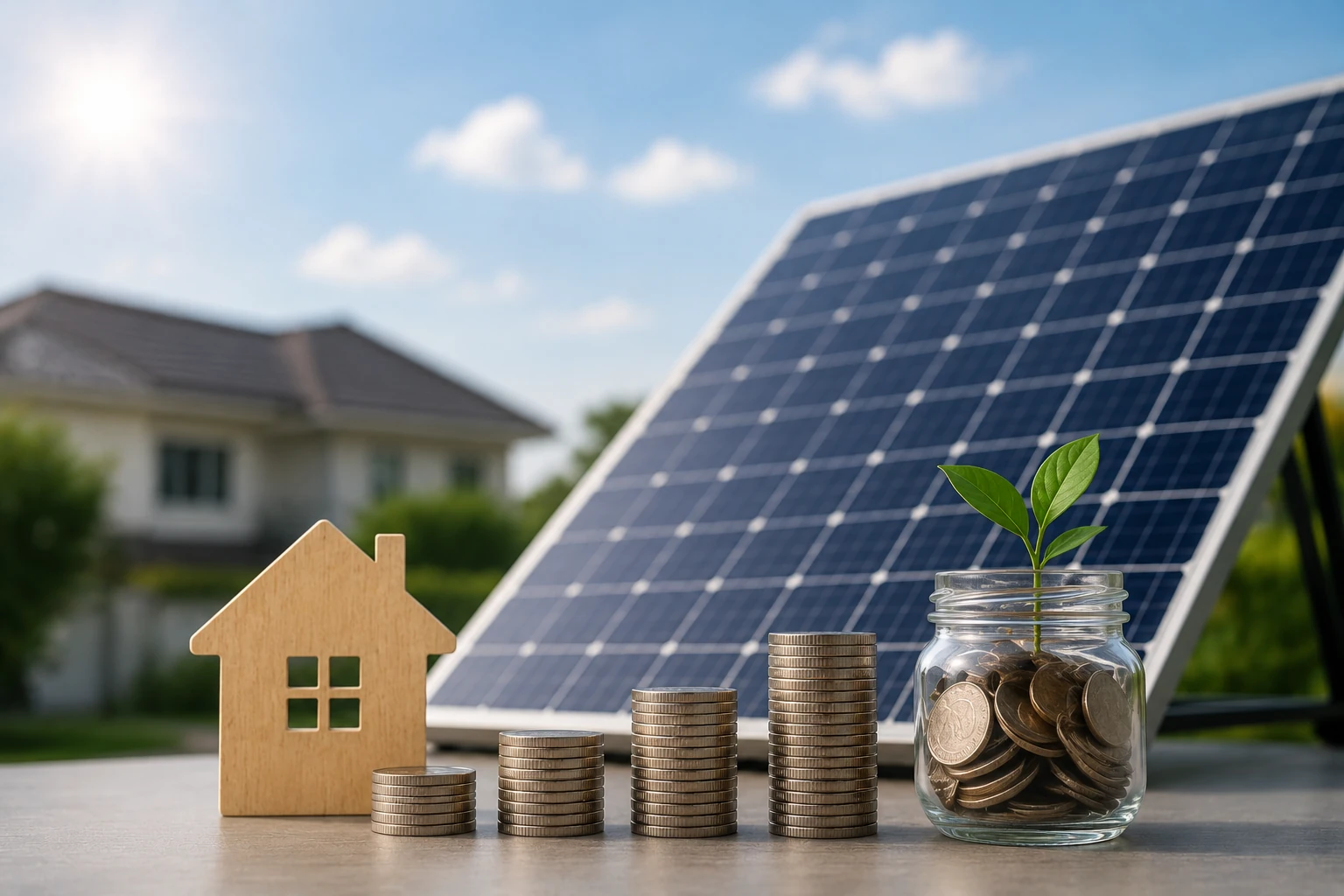
How Much Can You Save with Solar Panels?
There is no single savings figure that applies to every solar installation. Two properties with the same number of solar panels can have different results because their electricity consumption, usage patterns, roof conditions, and system configurations may be different.
A better way to understand the potential benefit is to look at how much electricity your property consumes and how much of that demand can be met through solar generation.
Some of the main factors that influence solar savings include:
- Monthly electricity consumption
- Solar system capacity
- Available rooftop or installation area
- Sunlight exposure and shading
- Type of solar system
- Electricity usage during the day
- Battery backup requirements
- Grid connectivity
What Determines the Right Solar System for Your Property?
Choosing a solar system should begin with your property's actual energy requirements rather than simply selecting a particular number of panels.
Before installation, important factors such as electricity consumption, roof space, sunlight exposure, property type, grid connectivity, and backup requirements should be evaluated.
Key Factors to Consider
- Your average electricity consumption
- Available rooftop or ground installation area
- Direction and condition of the installation area
- Shading from nearby buildings, trees, or structures
- Required solar capacity
- Grid availability
- Need for battery storage
- Future electricity requirements
How Solar Can Work for Different Properties
Solar energy is not limited to one type of property. A home, business, factory, or other commercial property can require a different system size and configuration depending on its electricity consumption, available space, operating hours, and energy goals.
Understanding how solar works for your type of property can help you choose a system that is better suited to your actual electricity requirements.
Solar Panels for Homes
For homeowners, solar generation can help reduce dependence on grid electricity by producing power directly from the property's rooftop. The suitable system depends on household electricity consumption, roof space, sunlight exposure, and whether battery backup is required.
If you are planning a residential solar project, explore our solar panels for homes guide to understand the key factors involved in choosing a suitable system.
Solar for Businesses and Commercial Properties
Businesses often have higher electricity consumption because of longer operating hours, lighting, air conditioning, equipment, and other day-to-day requirements. Rooftop solar can help businesses generate electricity on-site and make better use of available roof space.
A suitable system can be planned around the property's electricity demand, operating schedule, available installation area, and future requirements.
Learn more about commercial solar installation and the factors that should be considered when planning solar for a business.
Solar for Industrial Properties
Industrial facilities can have substantial and consistent electricity requirements. Factories, manufacturing units, warehouses, and other large properties may have significant rooftop or open areas that can be evaluated for solar installation.
Industrial solar planning needs to consider electricity demand, operating schedules, available installation space, equipment requirements, and potential future expansion.
Find out more about industrial solar panels and how larger properties can plan solar around their energy requirements.
Which Solar System Is Right for Your Property?
The type of solar system you need depends on your property's grid connection, electricity consumption, backup requirements, and energy goals. There is no single configuration that works equally well for every property.
Here are the main solar system options to consider:
On-Grid Solar System
An on-grid system works with the existing electricity grid and can be suitable for properties where reducing conventional electricity consumption is the main objective.
Explore On-Grid Solar →Hybrid Solar System
A hybrid system combines solar generation with battery storage and grid connectivity, making it an option for properties where backup power and energy storage are important.
Explore Hybrid Solar →Off-Grid Solar System
An off-grid system generates and stores electricity without depending entirely on the conventional grid, making it suitable for properties where greater energy independence is required.
Explore Off-Grid Solar →What Happens Before Solar Installation?
Installing solar panels is a long-term investment, so proper planning is important. A professional assessment helps determine whether the proposed system is suitable for the property's energy requirements and installation conditions.
Review your electricity consumption and energy requirements.
Evaluate roof space, sunlight exposure, shading, and site conditions.
Determine the appropriate capacity and system configuration.
Install the system and check its operation before commissioning.
How Do You Choose the Right Solar Panels?
Choosing solar panels should involve more than comparing prices. Different panels can have different efficiency levels, specifications, warranties, physical dimensions, and performance characteristics.
The available installation area also matters. When roof space is limited, panel efficiency may become an important consideration because the system needs to generate the required amount of electricity within the available area.
Before selecting a product, consider:
- Panel efficiency
- Required system capacity
- Available installation space
- Product specifications
- Warranty coverage
- Roof conditions
- Overall project requirements
Is Solar a Good Option for Properties in Kerala?
Kerala receives sunlight throughout the year, although solar generation naturally varies with weather, season, cloud cover, and rainfall. During periods of reduced sunlight, the amount of electricity generated by the panels can be lower than on bright, clear days.
This makes proper system planning particularly important. The system should be designed around the property's electricity requirements rather than based only on the number of panels that can fit on the roof.
Factors such as roof orientation, shading, installation conditions, system capacity, and the property's electricity consumption should all be considered before installation.
Solar Installation Services Across Kerala
The right solar solution depends on your property's electricity consumption, available installation space, sunlight conditions, and energy requirements. Allsun Nature provides customized solar solutions for homes, businesses, and industrial properties across Kerala.
If you're planning a solar project, explore our location-specific services:
Kozhikode: Solar Panel Installation in Calicut
Kochi: Solar Panel Installation in Kochi
Thiruvananthapuram: Solar Panel Installation in Trivandrum
Whether you're planning a residential rooftop system, commercial installation, or larger industrial project, the right system should be selected according to your property's actual energy requirements.
What About Solar Subsidies in Kerala?
Solar subsidies and financial incentives can change depending on the applicable government schemes, eligibility requirements, system type, and other conditions. If you are planning a residential solar installation, it is important to check the current subsidy rules and eligibility criteria before making a purchase decision.
Instead of assuming that every solar customer receives the same subsidy, discuss your property and proposed system with a qualified solar professional and verify the current applicable scheme requirements.
Does a Solar System Need Maintenance?
Solar panels generally require relatively simple maintenance, but regular inspection can help identify issues that may affect system performance.
Dust, leaves, bird droppings, shading, loose connections, inverter issues, and other system-related problems can affect electricity generation. The appropriate maintenance routine depends on the property's surroundings and the type of solar system installed.
Keeping the panels and other system components in suitable operating condition can help support consistent performance over time.
Not Sure Which Solar System You Need?
You do not have to choose a system before speaking with a solar professional. Your electricity usage, property type, available installation space, grid connection, and backup requirements can all be evaluated before recommending a suitable configuration.
Start with the Right Solar Plan for Your Property
Whether you are considering solar for your home, business, or industrial property, understanding your electricity requirements is the first step toward choosing a suitable system.
Get Your Solar Requirement AssessedFrequently Asked Questions
Recent Blogs

Best Solar System for a 2BHK, 3BHK or 4BHK Home in Calicut
Sep 17, 2026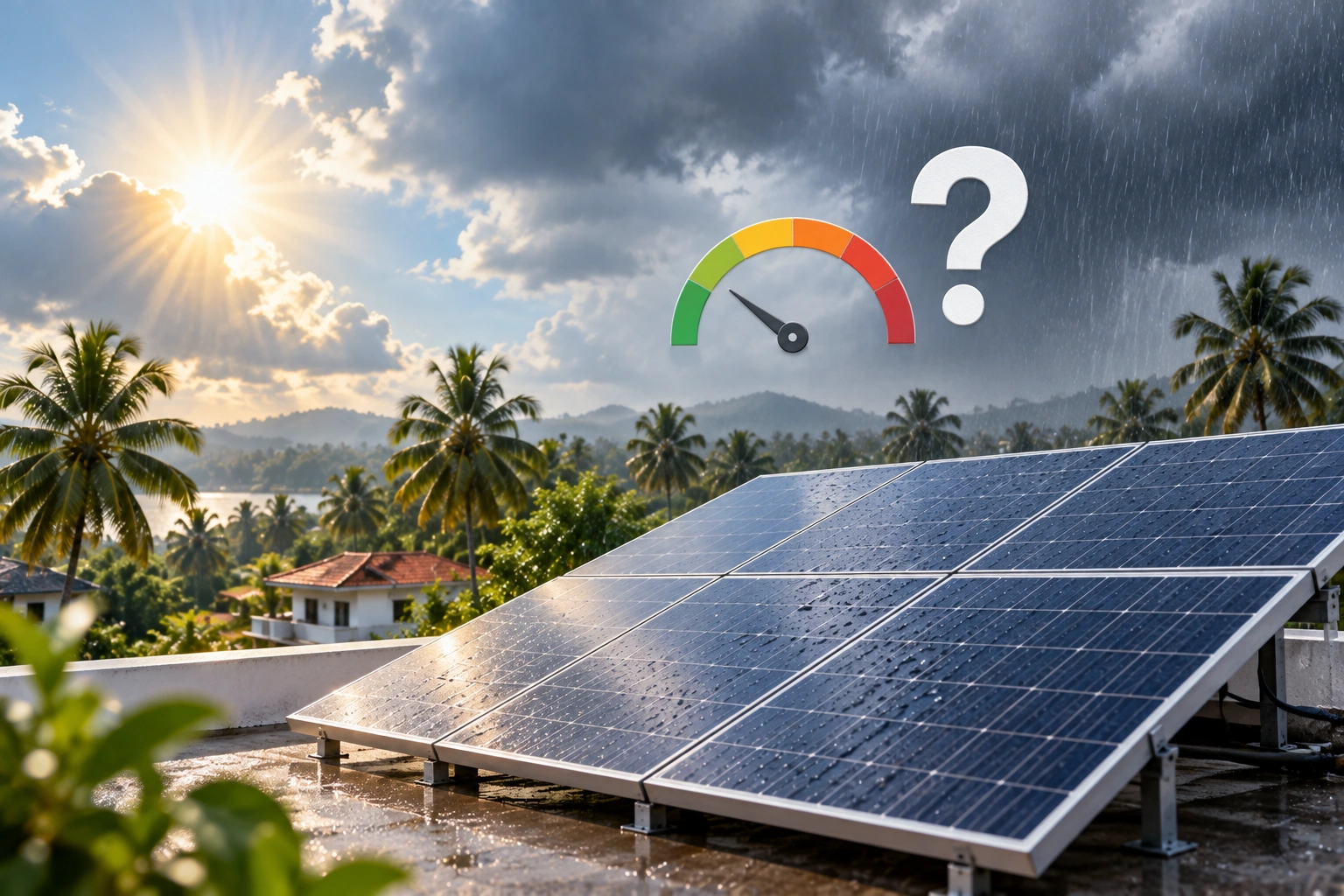
Why Is My Solar Panel Generating Less Power in Kerala?
Sep 16, 2026
Not All Solar Systems Are the Same: Find the Right One for Your Calicut Property
Sep 15, 2026
Kerala’s Power Crisis: Can Solar Help Homes Cope With Rising Power Cuts?
Sep 14, 2026
3kW vs 5kW Solar System for Kerala Homes: Cost, Power Generation & AC Usage
Sep 14, 2026
Solar Panel Installation in Kerala: Cost, Process, Subsidy & How to Choose the Right Company
Sep 11, 2026
How to Choose the Right Solar System Size for Your Home in Calicut
Sep 10, 2026
Solar Panel Maintenance in Kerala: A Homeowner's Guide for Coastal Cities
Sep 09, 2026
On-Grid Solar System in Kerala: How It Works, Cost, Benefits & KSEB Connection
Sep 08, 2026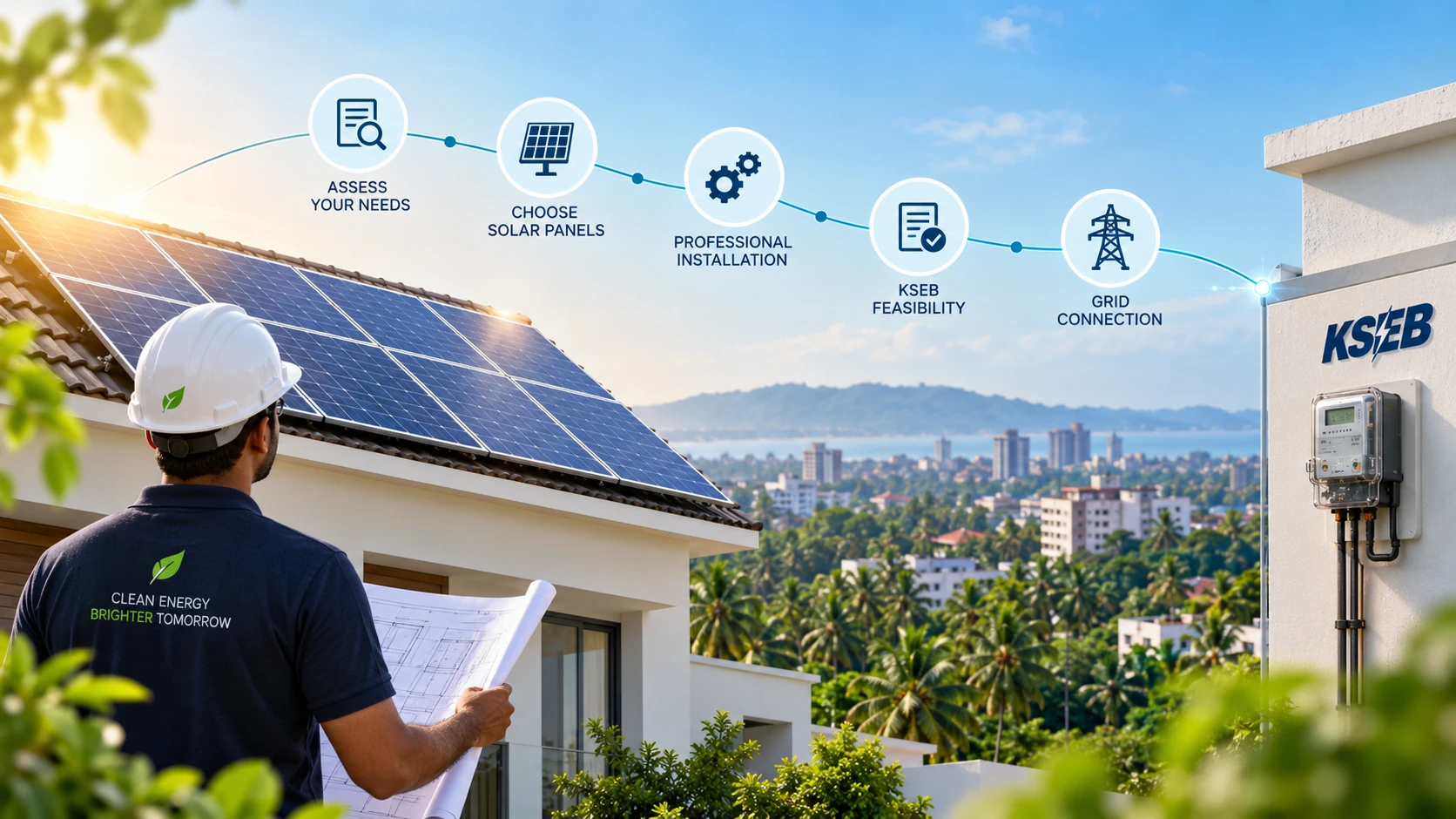
Solar Installation in Calicut: From Panel Selection to KSEB Connection
Sep 08, 2026Switch to Solar Today!
Save up to 90% on electricity bills with Allsun Nature's customized rooftop solar solutions.
Get Free Quote